

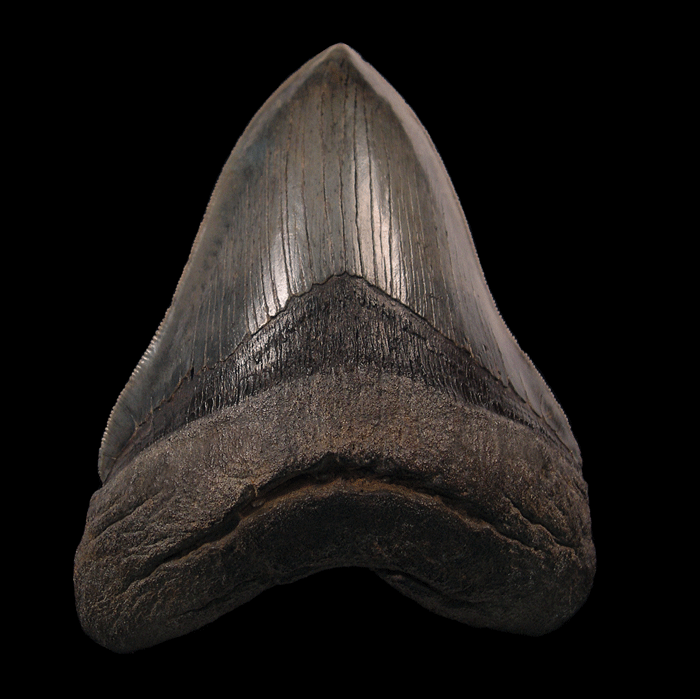
At first glance, a hammerhead shark tooth might just look like a sharp, fossilized relic. But dig a little deeper, and you’ll find it’s so much more; it’s a piece of a vast and intricate puzzle that spans millions of years. These teeth aren’t just souvenirs of ancient creatures; they’re keys unlocking mysteries about evolution, climate change, and life beneath the waves long before humans ever existed.
This blog takes you beyond the surface to explore some of our most remarkable fossil discoveries, including hammerhead shark teeth and jaw-dropping specimens from multiple Sphyrna species, such as the Great Hammerhead.
With teeth dating from the Eocene all the way to the Pleistocene, these fossils offer unique insights into how these iconic sharks adapted, thrived, and shaped their underwater world. Ready to uncover what a shark’s tooth can teach us? Let’s dive in.
The Hammerhead’s Evolutionary Journey in Fossil Teeth
Hammerhead sharks belong to the genus Sphyrna, easily recognized by the “hammer” shape of their heads that provides enhanced sensory capabilities and hunting efficiency. But this signature shape wasn’t just an evolutionary quirk of modern sharks. Fossilized teeth tell us that ancestors of today’s hammerheads roamed the oceans as far back as the Eocene epoch, about 56 to 34 million years ago.
The teeth themselves are marvels of natural design, triangular, broad, and often serrated. These features indicate their function as efficient tools for grasping and slicing prey. Because shark skeletons are primarily cartilage, which rarely fossilizes, teeth are the most common and valuable evidence paleontologists have for reconstructing shark history. The fossil record preserves these teeth with incredible detail, offering scientists a timeline of how hammerheads evolved and diversified.
Fossil Teeth Across Geological Time Periods
One of the most fascinating aspects of hammerhead shark tooth fossils is their wide chronological range, representing multiple epochs that chronicle major shifts in marine environments.
● Eocene Epoch — Early Hammerhead Ancestors
During the Eocene, Earth’s climate was warmer, and seas teemed with early forms of modern marine life. Fossil teeth from this period exhibit primitive features of the Sphyrna genus, providing a glimpse into the beginnings of the hammerhead lineage. These early teeth help researchers identify how the distinctive head shape may have evolved alongside feeding strategies.
● Miocene Epoch — Expansion and Diversification
The Miocene era, spanning from roughly 23 to 5.3 million years ago, was a time of great marine diversification. Hammerhead sharks flourished in this period, evidenced by a variety of fossilized teeth showing differences in size and shape among species. The fossil record from Miocene deposits reveals how these sharks adapted to a variety of ecological niches, developing more refined tooth structures that aided in hunting different prey.
● Pleistocene Epoch — Bridging to Modern Species
Fossils from the Pleistocene, which ended about 11,700 years ago, provide a crucial link to the hammerheads that inhabit today’s oceans. Teeth from this epoch resemble those of modern species, indicating continuity and evolutionary success despite the climatic upheavals of ice ages and changing sea levels. These fossils also illustrate how hammerheads adjusted their range and diet as environments transformed.
Spotlight on the Great Hammerhead Shark and Other Species
Among the various hammerhead fossils, teeth from the Great Hammerhead shark (Sphyrna mokarran) stand out for their impressive size and robustness. These large teeth indicate a predator capable of taking on sizable prey, underscoring the shark’s role as an apex hunter in prehistoric seas.
Beyond the Great Hammerhead, fossils from other species enrich the evolutionary picture:
● Scalloped Hammerhead (Sphyrna Lewini): Their teeth, generally smaller and finely serrated, show adaptations to different prey types and hunting methods. Fossil finds help illustrate how diverse feeding strategies evolved among hammerheads.
● Bonnethead Shark (Sphyrna Tiburo): Fossil teeth of this smaller species reveal ecological diversity within the genus and highlight adaptations for various habitats.
Together, these species’ fossilized teeth create a mosaic of hammerhead diversity that reflects their evolutionary experimentation and ecological success.
Where Hammerhead Fossil Teeth Are Found
Hammerhead shark teeth have been discovered in numerous fossil localities around the world, underscoring their wide ancient distribution. Some of the most significant regions include:
● Southeastern United States: Coastal states like Florida and South Carolina are renowned for yielding large, well-preserved hammerhead teeth from Miocene and Pleistocene deposits. These sites provide rich insights into the marine environments that hammerheads once inhabited.
● Europe: Fossils uncovered in parts of France and surrounding regions illustrate hammerhead presence in ancient seas that once covered Europe, particularly during the Miocene.
● North Africa and the Middle East: These areas have produced fossil teeth demonstrating how hammerheads adapted to various marine conditions and perhaps migrated through prehistoric seaways.
The global nature of these fossil finds highlights how hammerheads were, and continue to be, key players in ocean ecosystems.
What Fossil Hammerhead Teeth Reveal About Ancient Oceans
Studying fossil hammerhead teeth goes beyond identifying species—it helps reconstruct entire marine ecosystems from the past. These fossils provide clues about:
● Feeding Behavior: Tooth morphology indicates diet and hunting style. Serrated teeth imply cutting through flesh, while blunt teeth suggest crushing hard-shelled prey.
● Predator-Prey Dynamics: Abundance and variety of teeth in fossil beds reveal predator diversity and competition levels.
● Environmental Conditions: The age and location of fossils help paleontologists infer ancient water temperatures, sea levels, and habitats.
These insights are critical for understanding how marine life adapted through geological epochs and how climate and environmental changes influenced evolution.
The Importance of Authenticity and Preservation
Collectors and researchers alike place great value on fossil hammerhead teeth for their scientific and aesthetic qualities. High-quality specimens, especially those with large and well-preserved teeth, are prized because they retain fine details such as serrations and root structures. Such preservation allows detailed study and makes them stunning display pieces.
Ensuring authenticity is key. Each fossil should be verified through expert analysis to avoid misidentification or confusion with replicas. Genuine fossils from reputable collections guarantee a true connection to Earth’s deep history.
Connecting the Past to the Present
Fossil hammerhead shark teeth are more than mere stones; they are narratives carved by time, telling stories of evolution, survival, and marine life millions of years ago. They link the ancient seas to the modern oceans and remind us of the continuous, dynamic process of life adapting through change.
Moreover, these fossils serve as educational tools that inspire conservation. Many modern hammerhead species face threats due to habitat loss and overfishing. Understanding their ancient origins and ecological importance fosters appreciation and urgency for protecting these iconic sharks.
Conclusion: Treasures of Time from the Hammerhead Sharks
Notable fossil discoveries of hammerhead shark teeth stand as remarkable testimonies to the resilience and adaptability of the genus Sphyrna. From the Eocene’s early hammerheads to the robust Great Hammerhead of the Pleistocene, these teeth reveal the secrets about ancient oceans, predator-prey relationships, and evolutionary innovation.
For enthusiasts, paleontologists, and educators alike, these fossils offer authentic, tangible pieces of a prehistoric puzzle. They are treasures of natural history that invite exploration, discovery, and a deeper understanding of one of the ocean’s most iconic predators.
Discovering and studying these fossil teeth connects us with Earth’s distant past and inspires stewardship of our marine heritage for generations to come.






