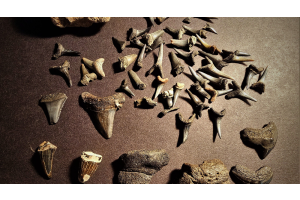
The ocean has always been a keeper of secrets—mysterious, vast, and brimming with remnants of ancient life. Among its most fascinating relics are the megalodon's fossilized teeth. This enormous prehistoric shark once ruled the seas. For those intrigued by the distant past and hungry for adventure, there’s something uniquely thrilling about discovering a piece of that history with your own hands.
Somewhere between wandering shorelines and exploring riverbeds, the journey to hunt a megalodon tooth becomes more than a simple search—it becomes a story. A story marked by patience, excitement, and the gentle crunch of gravel beneath your boots.
Let’s uncover the places where these ancient treasures are hiding and what makes the hunt so satisfying.
What Makes Megalodon Teeth So Desirable?
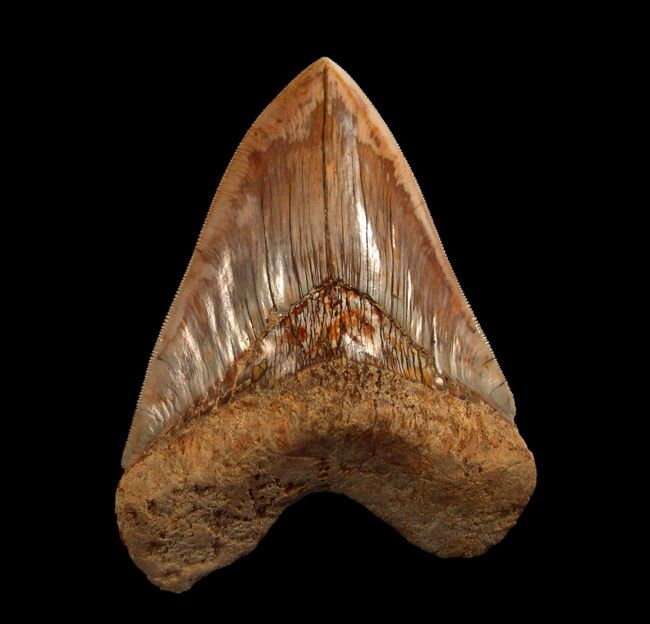
Megalodon teeth aren’t merely ancient bones buried in the earth—they’re sharp-edged symbols of survival from over 3 million years ago. Unlike bones, shark teeth are well-suited to fossilization due to their density and structure. As the megalodon continuously shed its teeth, countless specimens settled into the ocean floor over millennia.
Today, these hardened relics can be as small as a child's pinky or as large as a human hand. Their variety in color, shape, and size makes each find feel like a personal discovery.
That emotional satisfaction—mixed with scientific curiosity—is what draws fossil lovers from every corner of the globe.
How Do You Know Where to Start Looking?
Before you can dream of unearthing one of these ancient teeth, you need to know where to begin. And no, it’s not as simple as going to the beach and hoping luck is on your side.
One of the most talked-about places to find a megalodon tooth is along the East Coast of the United States. This region, especially the southeastern stretch, was once submerged under a warm sea teeming with marine giants. Over time, natural erosion exposed many fossil layers that had been resting quietly below.
But don’t worry—this isn’t a mission for paleontologists only. With the correct location, timing, and a keen eye, even casual searchers can walk away with a relic in hand.
Four U.S. Hotspots Where Fossil Dreams Come True
1. Venice Beach, Florida
Dubbed the "Shark Tooth Capital of the World," this spot is ideal for first-timers. Divers and snorkelers often come here with sifters and mesh bags, scanning the shallow seafloor for dark triangular shapes. Since the ocean constantly shifts the sand, the chances of finding a megalodon tooth never fade completely.
2. Peace River, Florida
This river winds through central Florida and has long been known for its fossil-laden sediment. Fossil hunters often take to kayaks, paddling along peaceful stretches before dropping anchor and digging into gravel-rich areas. You’ll need a shovel and a screen to sift, but the payoff could be ancient gold.
3. Calvert Cliffs, Maryland
For those closer to the Mid-Atlantic, these towering cliffs offer a scenic yet productive location. Erosion here causes fossil layers to crumble down toward the water’s edge. While large teeth are rarer, patient visitors have often walked away with spectacular finds.
4. Summerville, South Carolina
Known for its fossil-rich creeks and riverbeds, Summerville provides a chance to experience actual megalodon tooth hunting. During dry seasons, shallow waters reveal compact gravel deposits, perfect for slow sifting and mindful searching.
Each of these destinations comes with its own charm—and its own challenges. But that’s part of the fun, right?
What Should You Bring Along for the Hunt?
Heading out without the proper gear is like trying to dig a tunnel with a spoon. Before you go, think like an explorer. Here are a few essentials to pack:
● Sifter or mesh screen: Helps separate fossils from debris
● Shovel or trowel: Useful for digging through sediment-rich layers
● Waterproof boots or waders: Especially helpful in creeks and rivers
● Backpack or fossil bag: Keeps your discoveries safe and organized
● Field guide or fossil ID chart: Helps you know what you’ve found
And, of course, don’t forget patience. Fossil hunting is a gentle pursuit—it’s about observation, not speed.
The Unspoken Rules of Megalodon Tooth Hunting
It’s tempting to treat every fossil location like a treasure chest, but etiquette matters. Respecting the environment, complying with local regulations, and collecting only in permitted areas ensure the activity remains enjoyable and sustainable.
Some locations require permits for collecting, especially when digging below surface levels. Others prohibit fossil hunting altogether due to environmental concerns. Always double-check the rules before planning your trip.
Responsible collecting helps preserve these areas for future generations—and makes your hunt feel more meaningful.
The Quiet Joy of the Search
Not every trip ends with a prize in hand. But the joy of megalodon tooth hunting isn’t tied only to the outcome. It’s about the process: wading through streams, listening to the water, and scanning sediment for something unusual.
Some people compare it to meditation. Others say it feels like time travel. Either way, each hour spent scanning for ancient teeth creates a space for wonder that few modern experiences can match.
Even the moments between finds—when the water flows quietly and the sun hits the gravel just right—become part of the story.
Why the Craze Around Megalodon Teeth?
Aside from their age and origin, these fossils are tangible pieces of a creature so immense that it still stirs the imagination today. Measuring up to 60 feet long, the megalodon was the apex predator of its time. A single tooth could reach over 7 inches long.
Owning such a piece is like holding a fragment of ancient nature's might—grounded, silent, and immense. It’s no wonder people are drawn to the experience of finding a megalodon tooth.
These fossils don’t belong only in museums. They belong in your hands, on your shelf, or at the center of a story you’ll tell for years.
What If You Want to Try It Yourself?
It’s surprisingly accessible. Many of the most popular hunting sites are open to the public, and guided tours or fossil-hunting excursions are easy to book in regions like Florida and the Carolinas.
If you're serious about megalodon tooth hunting, consider joining a fossil club or community group. They offer tips, safety advice, and sometimes even group outings to lesser-known sites.
You don’t need to be a scientist to start. You only need curiosity, a bit of time, and the spirit to go exploring.
Final Thoughts
Whether you’re planning your first outing or refining your skills, megalodon tooth hunting offers more than a physical reward. It connects you to the earth’s prehistoric rhythm, slows your pace, and fills your day with possibility.
The adventure doesn’t have to remain a dream. Pack your gear, choose your spot, and let the hunt begin.
For those curious about finding a megalodon tooth, this might be the start of something wonderfully unexpected.
Ready to start your own fossil-hunting journey? Browse our latest finds and guides to take the first step into ancient waters.