

The ocean hides stories older than mountains, deeper than time. Beneath waves that now shimmer with sunlight, there once swam creatures so vast and commanding that even the largest sharks today seem modest by comparison. Among these titans was one apex predator that reigned for millions of years, then disappeared, leaving behind few clues—no bones, no skin, only echoes in the form of a fossilized treasure.
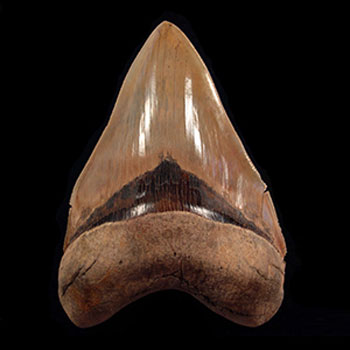
Tucked away in the sandy layers of prehistoric seabeds, the megalodon tooth remains the most compelling symbol of this vanished giant. Larger than a human hand, serrated like a blade, and often mineral-stained by centuries underground, it is more than an object—it is a bridge to a time when oceans teemed with mystery and magnitude.
Let’s step into that world and explore how this single fossil tells an ancient, breathtaking story.
A Journey into Ancient Waters
Picture the Earth as it was over 20 million years ago. Massive whales roamed the oceans, birds with wingspans larger than today's eagles soared overhead, and the continents themselves were in the process of shifting into their modern shapes. It was an age of great change—and great creatures.
In these warm, rich waters lived the megalodon. Some estimates place it at lengths reaching 60 feet, making it nearly three times longer than the great white shark. Its bite was unmatched, strong enough to crush bone and thick shell. The only physical evidence we have of its existence is what it left behind—teeth, and lots of them.
Sharks can shed tens of thousands of teeth during their lives, and the megalodon was no different. Fortunately, these teeth fossilized well due to their enamel-rich structure, allowing scientists and fossil hunters a glimpse into a world now long gone.
The Tooth That Tells a Thousand Stories
What makes a megalodon tooth so unique isn't just its size, though that certainly contributes to its allure. Some specimens measure more than seven inches from tip to root—a rarity that commands attention. But even smaller examples possess a silent elegance. Serrated edges hint at the shark’s carnivorous nature, while subtle curves suggest where it fits in the jaw, whether near the front for seizing prey or along the side for slicing and tearing.
Color is another fascinating factor. Fossilization draws in minerals from the surrounding sediment, staining teeth in shades of black, gray, brown, or even bluish hues. No two fossils are alike, and each tooth carries the fingerprint of its burial environment—soil chemistry, moisture, pressure—all preserved across eons.
Some collectors marvel not just at the tooth’s physical properties but at its journey. From the shark to the seafloor, from fossil beds to display cases, these relics have traveled through time and tectonic shifts, lying undisturbed until they were discovered.
Diving into Discovery
While it's tempting to imagine treasure hunters with pickaxes uncovering megalodon teeth in rocky caves, the real work often happens underwater. Divers search coastal rivers, ocean shelves, and fossil-rich basins. Florida, North Carolina, and parts of South America are especially known for rich deposits. Visibility is often poor, waters can be deep, and currents strong—but for those who love the thrill of discovery, the risks are worth it.
Land-based collecting is also an option. Erosion, construction, or shifting sediments sometimes reveal buried fossils on beaches or cliffs. Many collectors describe the moment of discovery as surreal: you spot something triangular, reach for it, and realize you’re holding a piece of Earth's distant past.
A Collector’s Dream
Not everyone who owns a fossil plans to keep it behind glass. For many, these teeth become part of wearable art, educational kits, or home décor. There’s a growing interest in natural history among interior designers, who incorporate fossils to add character and narrative to living spaces. Imagine a sleek, matte-black megalodon tooth nestled in a shadow box above a mantle—an ancient artifact displayed as a conversation piece.
Educators and parents also turn to fossils to inspire curiosity. Children holding a real tooth often react with awe. It sparks questions: “Was this from a dinosaur?” “Could it still be alive?” “How do you know how big it was?” Each question opens doors to lessons in science, ecology, and even ethics about conservation and species extinction.
Collectors range from amateur enthusiasts to serious paleontologists. While some prefer smaller, more accessible specimens, others seek rare finds—larger sizes, perfect serrations, unique colors. These distinctions create a dynamic and passionate community that spans generations and continents.
The Importance of Ethical Sourcing
With rising demand, the fossil market has also seen its share of ethical concerns. Illegal collection, over-harvesting in protected areas, and the sale of misidentified or imitation fossils can all cloud the joy of owning a piece of history. That’s why it’s vital to choose sources that prioritize transparency, conservation, and scientific integrity.
Responsible sellers provide clear information about where the fossil was found, how it was prepared, and whether any restoration or stabilization has been performed. Collecting with care ensures that both the fossil and its story remain intact for future generations to appreciate.
Connecting with Nature’s Timeline
There’s something deeply grounding about holding a fossil in your hand. It puts things into perspective—our modern lives, so fast-paced and noisy, feel momentary compared to the millions of years it took for these teeth to fossilize. A megalodon may have swum through oceans long before humans built cities or lit fires. Yet, through this ancient object, we can forge a connection across time.
For many, this is what initially draws them to fossil collecting. It’s not about the rarity or even the visual appeal—it’s about the story. Each tooth serves as a bookmark in Earth’s long and intricate history. A reminder that life evolves, vanishes, and leaves behind signs for those who are willing to look.
Preserving the Past for the Future
Caring for a fossil requires thought and attention. While these teeth are strong, they’re still vulnerable to cracking, staining, or environmental damage. Store them in a dry, cool place, away from extreme heat and moisture. Avoid harsh cleaners, and if a fossil shows signs of crumbling, seek professional conservation advice. Many collectors use padded display cases or acid-free materials to protect their finds.
Preserving these pieces ensures that their stories don’t end with us. They become heirlooms, educational tools, or museum donations—each use adding a new chapter to their already long lives.
Final Reflections on the Depths of Time
The megalodon, with its vast reach and commanding presence, is long gone. But through the fossilized remnants of its once-formidable bite, we continue to explore, imagine, and learn. A megalodon tooth is more than an artifact. It is a reminder that our planet has lived many lives before us—and will continue to evolve long after.
Whether you're new to fossil collecting or simply fascinated by the grandeur of prehistoric creatures, holding one of these teeth can be the start of a deeper journey. It can mark the beginning of a hobby, the start of a collection, or even spark a lifelong fascination with paleontology and natural history.
Explore a Fossil That Connects You to the Past
Ready to begin your own fossil story? Explore a curated collection of ethically sourced, beautifully preserved teeth and take home a piece of prehistory. Each fossil carries its own shape, shade, and story—waiting for someone like you to appreciate it.
Browse the collection now and discover a relic that’s truly one of a kind. Let your fascination with natural history take root with a fossil that connects you to a time when the ocean was ruled by giants.






