

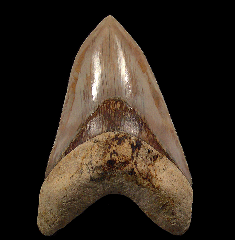
Finding a fossil is like holding a frozen moment of Earth’s ancient history, and the excitement only grows when man finds a megalodon tooth in the wild or through careful fossil hunting. That moment sparks curiosity—especially for young scientists—because a single Megalodon tooth can reveal extraordinary clues about one of the most powerful prehistoric predators to ever exist. Here at Buried Treasure Fossils, we believe every child with a love for science deserves the chance to explore these incredible windows into the past.
Why Megalodon Teeth Fascinate Young Scientists
A Megalodon tooth is more than a cool object—it is a scientific treasure. Megalodon sharks lived millions of years ago, roaming oceans that were deeper, warmer, and filled with marine giants. These enormous sharks shed thousands of teeth throughout their lifetime, which is why fossil hunters sometimes stumble upon them even today. When someone discovers one—especially when a man finds a megalodon tooth unexpectedly—it raises a fascinating question: How can a single fossil help scientists understand an entire species?
Young scientists can explore that question in exciting ways. By studying fossils, they learn how paleontologists use tiny details like color, shape, serrations, and size to piece together stories about life that existed long before humans walked the Earth. That’s why Megalodon teeth are prized not only by collectors but also by STEM educators, parents, and budding paleontologists.
At Buried Treasure Fossils, we love helping kids explore these mysteries. Whether they’re discovering their first shark tooth or examining a rare six-inch Megalodon fossil, we provide the tools and knowledge that inspire scientific thinking.
What a Megalodon Tooth Reveals About the Shark It Came From
When young scientists study a Megalodon tooth, they’re essentially analyzing a prehistoric data point. Each tooth is a clue that helps them better understand Megalodon behavior, diet, environment, and biology.
1. Size Tells the Story of a Giant
Megalodon teeth can reach over seven inches long. Their massive size hints that Megalodon itself reached an astonishing 50–60 feet—longer than a school bus. When kids compare tooth sizes from different fossils, they can estimate whether the tooth came from a young shark or a full-grown giant.
2. Serrations Reveal Its Feeding Strategy
The tiny serrated edges show that Megalodon was a predator built for power. These sharp ridges helped slice through the thick skin and blubber of ancient whales. When students examine these serrations under a magnifying lens, they’re learning to look for scientific patterns the way real paleontologists do.
3. Shape and Structure Teach Adaptations
Megalodon teeth are famously heart-shaped. That broad structure helped the shark deliver crushing bites, generating an estimated 180,000 newtons of force. By studying the shape, young scientists can visualize how Megalodon attacked prey and adapted to its environment over millions of years.
4. Color Gives Clues About Fossilization
A Megalodon tooth’s color depends on minerals in the sediment where it fossilized. Brown, gray, black, blue, and even reddish tones can appear depending on the environment. When kids learn how minerals replace organic material, they begin to understand the fossilization process—and why no two fossil shark teeth are exactly alike.
Why Kids Should Study Megalodon Teeth Like Scientists
At Buried Treasure Fossils, one of our missions is to encourage young learners to think like scientists. Studying fossils—especially shark teeth—is a perfect way to develop critical thinking skills. Students learn to ask questions, make observations, form hypotheses, and test ideas, just like real paleontologists.
When a man finds a megalodon tooth, it’s a moment of discovery. But when a young scientist studies that tooth, it becomes a moment of understanding.
Here are a few powerful lessons kids learn from fossil shark teeth:
Learning Evolution
By comparing Megalodon teeth to modern sharks, kids can trace how species evolve over time. They can see how today’s Great White Shark may share distant connections with Megalodon.
Understanding Prehistoric Ecosystems
Shark teeth teach kids what oceans looked like millions of years ago—filled with giant whales, ancient fish, and marine mammals.
Exploring Scientific Dating
By learning how fossils are dated, students discover how scientists determine the age of Earth’s layers.
Developing Observation Skills
Looking closely at serrations, enamel, and mineral colors helps kids sharpen their ability to notice details.
Connecting With Earth’s History
Most importantly, fossils help students feel connected to the ancient world beneath their feet and the ongoing story of our planet.
How We Support Young Scientists at Buried Treasure Fossils
We take great pride in offering high-quality, authentic fossil shark teeth designed for learners of all ages. From budget-friendly pieces under $50 to museum-grade Megalodon teeth, we offer fossils that spark curiosity, encourage scientific exploration, and help young scientists learn hands-on.
Here’s what kids and families appreciate most about what we offer:
1. Authenticity and Trust
Every fossil in our shop is real and legally collected. Many come from well-known fossil sites such as:
● Florida
● Georgia
● South Carolina
● North Carolina
● Sharktooth Hill (California)
● Peru
● Chile
Young scientists deserve genuine fossils, and that’s exactly what we provide.
2. Educational Insight With Every Fossil
We include detailed information about each fossil’s age, origin, and scientific significance. This helps kids understand exactly what they’re holding—and why it matters.
3. Accessibility for Beginners
We offer fossils for all budgets so kids can start their collection without feeling overwhelmed. Even affordable shark teeth can be excellent learning tools.
4. High-End Options for Serious Young Collectors
For students preparing STEM projects or science fair displays, we offer rare fossils like six-inch Megalodon teeth, dinosaur claws, ammonites, and more.
How a Megalodon Tooth Inspires Real-World Curiosity
When a child holds a Megalodon tooth for the first time, something amazing happens—they begin imagining the ocean millions of years ago. They begin asking questions about evolution, extinction, marine life, and geology. They start thinking like scientists.
And that’s exactly what we hope to inspire at Buried Treasure Fossils.
Whether a man finds megalodon tooth on a beach or a young scientist discovers one in our collection, the excitement of that moment opens the door to endless scientific exploration. Kids can study the tooth’s serrations, estimate the shark’s bite force, compare tooth shapes, and even track prehistoric shark habitats across Earth’s continents.
Fossils turn curiosity into knowledge—and knowledge into inspiration.
Conclusion: Why Megalodon Teeth Spark the Scientific Mind
In the end, anytime a man finds a megalodon tooth, it becomes more than a lucky discovery. It becomes an opportunity for young scientists to explore prehistoric oceans, examine real evidence of ancient life, and develop a lifelong love of science. These fossils teach kids to observe carefully, think critically, and appreciate Earth’s incredible history.
If you know a young scientist who would be excited to hold a piece of prehistory, now is the perfect time to explore our fossil collection and help spark that curiosity. A single Megalodon tooth could be the beginning of their scientific journey—and we’re here to help every step of the way.






