

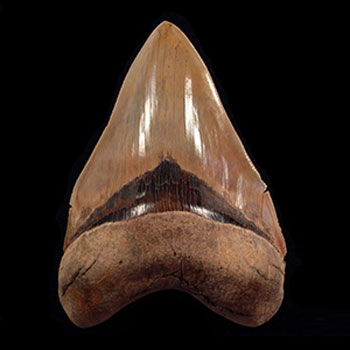
The fascination with Megalodon shark teeth is undeniable. These massive fossils carry millions of years of history, representing one of the largest and most powerful predators to ever exist. For collectors, each tooth tells a story—its shape, color, and condition reveal details about where it came from and how it was preserved. As enthusiasts, we know the excitement of finding the right piece and the importance of making informed choices when you buy a megalodon shark tooth for your collection.
Let’s explore what you should know before making that purchase.
Understanding the Significance of Megalodon Teeth
Megalodon (Carcharocles megalodon) lived approximately 23 to 3.6 million years ago during the Miocene and Pliocene epochs. Fossilized teeth are the most common remains we have of this ancient shark, and they offer both scientific and collector value. Because Megalodons were massive—reaching lengths of up to 60 feet—their teeth could measure more than seven inches, making them prized among collectors.
Knowing the historical and paleontological context helps you appreciate why these fossils are so sought after. Collectors aren’t just purchasing a fossil; they are acquiring a tangible connection to Earth’s prehistoric oceans.
Size: Why Bigger Isn’t Always Better
One of the first things collectors notice is the size of a Megalodon tooth. Larger specimens—those over 6 inches—tend to draw the most attention. However, bigger does not always mean more valuable. Rarity plays a role, but condition and preservation often outweigh size alone.
For example, a 5-inch tooth in near-pristine condition may hold greater appeal than a heavily worn 6.5-inch specimen. When you consider whether to buy a megalodon shark tooth pay close attention not just to the measurement but to how well the serrations, enamel, and root are preserved. Serious collectors often balance size with condition to build a collection that tells a more complete story.
Color Variations and Their Geological Origins
Megalodon teeth come in an array of colors—black, gray, tan, red, and even blue hues. These colors are not artificially enhanced but are the result of minerals in the surrounding sediment during fossilization. For instance, teeth buried in phosphate-rich deposits often turn darker, while those preserved in lighter sands may exhibit shades of tan or cream.
Collectors value these natural variations because they represent the unique environments where the fossils were preserved. A striking black specimen from South Carolina has a very different origin story from a golden-hued tooth from Peru. This makes color an essential part of the collecting experience. As enthusiasts, we can appreciate how the geological history enriches the visual beauty of each specimen.
Condition: The Fine Details Matter
The condition of a Megalodon tooth significantly affects its desirability. A complete tooth with intact enamel, sharp serrations, and a stable root often commands higher interest. On the other hand, many fossils show wear from natural forces—chips, cracks, or erosion from ocean currents and sediment pressure.
Serrations are especially important. They give insight into how the shark’s tooth functioned and highlight the incredible mechanics of this prehistoric predator. Collectors often seek out teeth with well-defined edges because they represent the fossil’s scientific and aesthetic qualities at their best. While no fossil is truly flawless, recognizing the balance between authenticity and preservation is key when you decide to buy a megalodon shark tooth.
Pricing Considerations: What Determines Value
Prices for Megalodon teeth can vary widely, ranging from affordable entry-level fossils to rare, high-end collector pieces. Several factors come into play:
● Size – Larger teeth generally carry a higher value due to rarity.
● Condition – Better preservation, sharper serrations, and intact roots influence pricing.
● Color and Aesthetics – Unique colors or patterns may increase demand.
● Geographic Origin – Teeth from specific regions, such as Peru or North Carolina, may carry added significance due to scarcity or geological history.
As collectors, we understand that value is not just monetary but emotional. A well-chosen tooth can become the centerpiece of a collection, offering both investment potential and personal satisfaction.
Regional Differences and Collecting Appeal
Where a Megalodon tooth is found can make it more desirable. South Carolina, Florida, Peru, and Morocco are well-known fossil-rich locations, each offering specimens with distinctive traits. For example, South Carolina teeth often have darker hues, while Peruvian fossils might display lighter shades and unique mineralization.
These regional differences allow collectors to diversify their collections and tell a broader story of Megalodon’s global presence. We can appreciate how each tooth not only represents the species but also highlights the unique conditions of the ancient oceans where it was buried.
Authenticity: Protecting Your Investment
Because of their popularity, Megalodon teeth can sometimes be subject to artificial enhancement or misrepresentation. Some specimens may be restored with filler or repaired to look complete. While restoration is not inherently negative—especially when disclosed—it’s important for collectors to understand what they are buying.
Reputable sellers provide transparency about any restorations or repairs. Authenticity builds trust, and knowing how to spot genuine fossils ensures your collection maintains integrity. We can all agree that part of the joy in collecting is the confidence that what we hold in our hands is truly a piece of prehistory.
Building a Collection with Confidence
Collecting Megalodon teeth is both an educational journey and a rewarding hobby. Some collectors aim for variety in size and color, while others focus on acquiring the largest possible specimens. There is no single right approach. What matters is making informed decisions based on your interests and knowledge.
When you buy a megalodon shark tooth, you are not just purchasing a fossil—you are investing in history. By understanding the nuances of size, color, condition, and pricing, you can build a collection that grows in both value and meaning over time. As enthusiasts, we know that every tooth, whether large or small, carries its own significance.
Conclusion
Megalodon shark teeth are more than fossils; they are ancient artifacts that connect us to a time when giants ruled the seas. Collectors who take the time to learn about size, color variations, condition, and pricing considerations make stronger, more confident decisions. When we approach fossil collecting with knowledge and appreciation, we not only build meaningful collections but also preserve a piece of Earth’s story. If you’re ready to buy a megalodon shark tooth, remember that the right piece will not only add to your collection but also deepen your connection to the prehistoric world.
Start your fossil journey today—explore authentic Megalodon teeth and add a rare piece of prehistoric history to your collection.






