

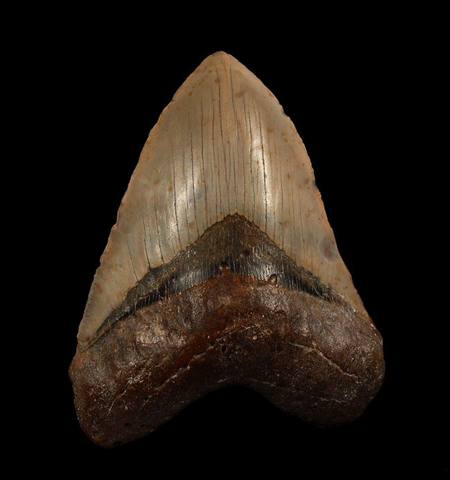
The story of Earth’s oceans is written not only in fossils but also in the layers of sediment that conceal them. When we explore ancient deposits where sharks once ruled the seas, we uncover a vivid record of their world. Among the most fascinating discoveries are megalodon tooth ledges, remarkable formations that capture the life and environment of the largest predatory shark to ever exist. For collectors and science enthusiasts alike, these ledges are more than just geological structures—they are windows into the age of giants.
Unearthing Hidden Archives Beneath the Waves
At first glance, a ledge might seem like nothing more than a series of layered sediments deposited across the seafloor. Yet, for paleontologists, they are living archives that preserve the remains of countless marine organisms. When megalodon teeth cluster within these layers, researchers can begin piecing together the predator’s behavior, environment, and survival strategies.
Unlike isolated fossil finds, megalodon tooth ledges provide context. They don’t simply show that these apex predators existed—they reveal how they lived, where they hunted, and what conditions defined their ocean world. This is why both scientists and collectors find them so captivating.
How Sediments Tell the Story
Sediment layers serve as ancient time capsules, meticulously formed over millions of years. Each layer encapsulates invaluable clues from its era, including microscopic plankton, shells, minerals, and the distinct chemical signatures of ancient ocean currents. When megalodon teeth become embedded in these layers, they contribute vital insights to a much larger ecological narrative, helping us unravel the mysteries of our planet's history.
By analyzing the spacing, depth, and density of tooth deposits, researchers can uncover compelling seasonal migration patterns. A significant concentration of teeth within a particular layer could indicate a recurring nursery ground frequented by megalodons. Additionally, the presence of various prey fossils in the vicinity aids in reconstructing the shark’s diet, revealing whether it predominantly targeted whales, fish, or marine mammals. This multifaceted approach provides valuable insights into the behaviors and ecological preferences of these ancient apex predators.
For collectors, these layered sites bring an added thrill—holding a tooth that has rested for millions of years alongside the very remnants of the ocean life it once fed upon.
Why Megalodon Tooth Ledges Matter to Paleontology
One of the most significant advantages of studying these ledges is their ability to reveal population dynamics. Fossil hunters often find solitary megalodon teeth, but dense ledge deposits suggest entire generations may have passed through specific regions of the ancient seas. By analyzing tooth size and wear, scientists estimate growth stages, shedding light on breeding behaviors and lifespans.
Furthermore, the surrounding sediments record ancient oceanography. Mineral composition can show whether waters were warm or cool. Grain size hints at currents and turbulence. All of this contextual data helps paleontologists rebuild a clearer picture of the Miocene and Pliocene epochs, when megalodons thrived.
In short, the ledges aren’t just about the shark—they’re about the entire ecosystem that supported it.
The Thrill for Fossil Collectors
For fossil enthusiasts, stumbling upon a megalodon tooth within a layered sediment ledge is like striking prehistoric gold. Unlike surface finds or isolated riverbank specimens, these teeth often emerge with a greater sense of authenticity and connection to history. Each one comes directly from a paleontological treasure chest, not just loose earth.
At Buried Treasure Fossils, we share this excitement with both seasoned collectors and those just starting out. Our catalog includes authentic megalodon teeth sourced from sites where these ledges occur. Each specimen not only offers a glimpse into the prehistoric ocean but also carries with it the assurance of genuine discovery and legally collected origins.
Challenges in Studying and Preserving Ledges
As fascinating as megalodon tooth ledges are, they are not always easy to study. Many lie deep beneath modern oceans, accessible only through advanced submersibles and remotely operated vehicles. Even on land, exposed ledges are vulnerable to erosion and looting, making careful preservation essential.
Scientists must balance the need for research with the importance of protecting these natural archives. Every extracted tooth, shell, or fossil fragment represents a piece of a story that, once lost, can never be retold in the same way. This is why we at Buried Treasure Fossils emphasize authenticity, legality, and respect for every specimen we share with our community.
Recent Insights from Sediment Analysis
In recent years, technological advancements have truly revolutionized our understanding of sediment ledges, allowing researchers to unlock an incredible array of information! By analyzing these layers chemically, scientists are revealing the historical secrets of ocean temperatures, oxygen levels, and carbon content—all vital elements that influenced the survival of megalodons.
One fascinating finding shows how climate shifts impacted megalodon populations. Evidence suggests that as ocean temperatures cooled, these mighty predators found themselves in increasingly confined habitats, which may have significantly contributed to their extinction. When combined with fossil records showing changes in prey availability, these revelations vividly highlight how even the most powerful creatures are vulnerable to the effects of environmental change. Isn’t it amazing how interconnected everything is?
Connecting Passion with Learning
For those of us who collect fossils, megalodon tooth ledges represent the perfect balance between science and wonder. They remind us that fossils are not just objects to display but tools for discovery. Every serrated edge, every mineral-stained root, and every sediment layer carries knowledge that deepens our connection to Earth’s history.
At Buried Treasure Fossils, our goal has always been to make this world accessible. From affordable specimens for beginners to museum-grade pieces for advanced collectors, we curate fossils that encourage both appreciation and learning. Each tooth, ammonite, or trilobite tells a story, and by bringing them into your collection, you continue that story in a new way.
Looking Ahead
As technology continues to advance, the study of megalodon tooth ledges will only grow richer. With tools like 3D imaging, isotope analysis, and advanced dating methods, scientists will keep unlocking new details about this prehistoric predator and the seas it roamed. For fossil collectors, this means an ever-deepening appreciation of what each specimen represents.
The beauty of fossil collecting is that it bridges time—uniting us with creatures that lived millions of years before humans ever set foot on Earth. Whether you’re drawn by scientific curiosity, aesthetic fascination, or the thrill of discovery, megalodon tooth ledges hold a special place in that journey.
Conclusion
The story of megalodon tooth ledges is more than one of teeth embedded in stone—it is the story of oceans, ecosystems, and a predator that shaped marine life for millions of years. By studying how sediment layers preserve these fossils, we gain insight not just into the megalodon itself but into the ancient seas that sustained it. As collectors, enthusiasts, and educators, we have the chance to carry these stories forward, sharing the awe of prehistoric life with new generations.
If you’re ready to explore authentic specimens and add meaningful fossils to your own collection, we invite you to discover the treasures we carefully source and share. Together, we can continue uncovering the mysteries of the past and keep alive the wonder that fossils bring into our lives.






