

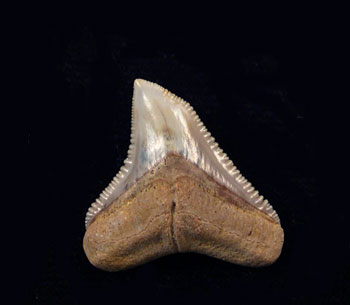
Collectors value more than just size or age. They value the story behind each tooth. Otodus megalodon - Lee Creek fossils tell a story of this kind. These teeth possess natural beauty and scientific value, having been shaped by time and preserved from discoveries. Each piece speaks to a time when sharks ruled the oceans, and nature preserved their teeth with unusual care. When a collector holds one of these, they don’t just see a fossil. They feel the weight of history and the satisfaction of owning something scarce.
Let’s explore more detailed information:
Lee Creek teeth hold shape and sharpness like no others
Collectors choose teeth from Lee Creek because they keep their natural form. These fossils show wide triangular crowns with clean, intact edges. You can feel the serrations. You can see the bourlette. The root holds firm, and the enamel shows off its strength and luster. Nature buried these teeth in the right layers, protecting them from damage. They appear complete because they remained protected in the ground until experienced hands recovered them. No one needs to guess about their condition. The tooth itself tells the truth.
The site no longer opens to fossil hunters
People once traveled to Lee Creek to collect these fossils from the phosphate mine. That stopped years ago. Since then, no one has taken new fossils from the ground. Only those who explored the site before it closed hold real Lee Creek specimens. This matters. Fossils from closed sites carry a special significance. Their source no longer produces new finds. This gives each piece more value and more weight. It becomes part of something final and untouched. That sense of closure makes these fossils even more desirable to serious collectors.
Lee Creek sediments protected these teeth
Nature helped preserve these fossils. The sediments of Lee Creek formed a shield around each specimen. Unlike fossils pulled from rivers or exposed shores, these teeth avoided heavy wear. Their sharpness remains. Their roots stay full. Their surfaces resist damage. This condition speaks for itself. You do not need to polish or restore them. You see the tooth as nature left it. Collectors trust this condition. They see it as proof of the fossil’s journey. When people seek quality, they consistently return to fossils from this site.
Collectors know precisely where these teeth come from
Provenance matters. Collectors trust fossils more when they know their origin. Lee Creek teeth originate from a single source. People removed them from the ground long ago and held them in respected collections. That traceable path gives buyers confidence. You won’t find these fossils with unclear histories floating around. You know what you’re getting. The fossil carries the story of its discovery. That trust makes a big difference. It shows that the collector values the object more than the collector. They value the whole journey from discovery to display.
These fossils date back to a rich prehistoric period
Teeth from Lee Creek come from two formations. The Pungo River Formation and the Yorktown Formation. These layers date from the Miocene and Pliocene epochs. That puts the fossils between 15 and 4.5 million years old. These ancient seas once teemed with life. The sediment there carried minerals that helped preserve the teeth in nearly perfect condition. When someone owns one, they don’t just own a fossil; they own a piece of history. They own part of a massive ecosystem that vanished millions of years ago. That connection pulls collectors in and keeps them fascinated.
People notice the details that Lee Creek’s teeth display
These teeth often show off their natural colors. Earthy browns, dark tans, sometimes gray tones. The enamel feels smooth and firm. The serrations still look sharp. The bourlette stays visible and adds contrast. All these details turn a fossil into a display piece. Otodus megalodon - Lee Creek teeth consistently reflect this level of preserved beauty and structure, making them some of the most recognizable among serious collectors. You can see the difference right away. These aren’t the kind of teeth that need repair. They don’t require polishing or enhancement. They already shine through with their natural features. That authentic appearance keeps collectors interested and turns first-time buyers into lifelong seekers.
Why Does the Name Behind the Tooth Still Matters?
This label identifies more than a species and a location. It represents a class of fossils that meet specific standards. You don’t just get a name. You get a quality that speaks for itself. Collectors use this name to identify fossils that originate from a trusted source. They know the teeth under this name carry no tricks. No repairs. No guesswork. Just clean, authentic fossils that hold their shape, their age, and their story. That kind of name earns respect. It draws attention and holds it.
These teeth hold value due to their limited supply
You can’t dig new teeth from Lee Creek. The site no longer gives up fossils. That reality creates a ceiling on the supply. Fewer teeth are introduced to the market each year. More collectors search for them. That pushes demand higher. It also turns each fossil into a long-term piece of art. Collectors know they can keep it for years and still count on its value. The fossil holds more than history. It holds potential. That’s not a sales pitch. That’s how limited supply works in the real world of collecting.
Lee Creek specimens appeal to serious collectors and informed newcomers
Some people buy fossils for the first time. Others build collections over decades. Lee Creek teeth satisfy both. First-time buyers see the beauty and clarity of the tooth. They understand what makes it special. Experienced collectors see the historical closure and the preserved quality. They know they won’t see teeth like this coming from the ground again. That shared appreciation brings people together. These fossils create common ground between new eyes and expert minds. That balance makes them one of the most collected and discussed fossils in the market.
Each Lee Creek tooth tells a whole story without saying a word
When someone holds a fossil from Lee Creek, they feel more than texture. They feel a connection. The weight of time presses into the palm. The shape evokes a species that once dominated the sea. The color reveals the layers of sediment that held it for ages. These elements come together in silence. No words needed. The fossil speaks through its form, condition, and journey. People don’t forget the first time they see one. They remember the tooth that made them fall in love with collecting.
Final Thoughts
These fossils stay rare because no one can create new ones. Each one left the ground before the site closed. Among these remarkable finds, the Otodus megalodon- Lee Creek hold a unique place due to their unmatched preservation and origin. Their quality shows. Their origin holds credibility. Their condition remains preserved by nature and time. Collectors don’t just admire them. They pursue them. Every fossil carries a story backed by science, history, and firsthand experience. When someone adds a Lee Creek specimen to their collection, they don’t just complete a shelf. They raise the standard.
Footnote
Lee Creek teeth belong to a time now closed off from discovery. Their presence in any collection speaks louder than words ever could.






