

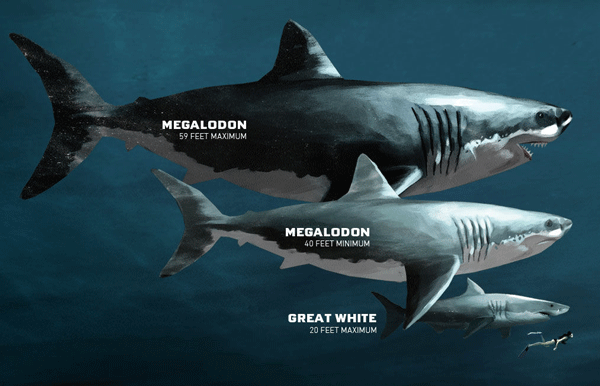
For fossil enthusiasts who are drawn to bold and iconic pieces, few items are as captivating as the teeth of prehistoric sharks. At Buried Treasure Fossils, we have seen how collectors light up when they see a massive megalodon tooth for the first time or hold a sleek great white tooth in their hand. These fossilized remains tell stories of ancient oceans, monstrous predators, and the enduring legacy of life beneath the waves. And for many collectors, the comparison between a Megalodon vs Great White Shark tooth is a compelling way to explore the richness of shark evolution and the beauty hidden in natural history.
A Glimpse Into a Prehistoric World
When you pick up a megalodon tooth, you’re not just holding a fossil. You're connecting with a creature that once ruled the oceans millions of years ago. These teeth, often measuring over six inches, belonged to the largest shark species ever known to exist. Their size alone makes them commanding, but it’s the sheer age and preservation that give them their mystique. Many megalodon teeth are up to 23 million years old. That means long before humans ever walked the Earth, these teeth were already settled on the seafloor, slowly fossilizing through time.
Great white shark teeth may be smaller in comparison, but they are still awe-inspiring. Their sharp, symmetrical structure represents a finely tuned tool of survival. These teeth can still be found today, fossilized from sharks that lived thousands of years ago. Holding one in your hand is like holding a snapshot of evolution, a link between the ancient world and the oceans we know today.
Beauty in Strength and Design
At Buried Treasure Fossils, we’ve come to appreciate not just the history but also the artistry in these ancient teeth. Megalodon teeth have a rugged, battle-worn appearance. Their broad shape and serrated edges create an image of brute strength and raw power. They are commanding pieces, often dark in coloration due to the minerals they absorbed over millions of years while buried beneath ocean sediment.
In contrast, great white teeth are slender, sharper, and more refined in appearance. Their tapered tips and clean lines suggest speed and precision. While megalodon teeth speak of dominance, great white teeth tell a story of survival and adaptability. Both have an aesthetic appeal that goes beyond science. They are beautiful in different ways and prized by collectors who appreciate form as much as function.
The Allure of Deep Time
The age of these fossils adds a level of wonder that’s hard to replicate with modern items. Megalodon teeth are some of the oldest fossils we offer. Many are remnants from the Miocene and Pliocene epochs, giving them an age range that can exceed 20 million years. Imagine the journey that tooth has taken, from a living predator’s mouth to the ocean floor, to fossilization, to finally being discovered and displayed.
Even though great white shark teeth are more recent in geologic time, they can still be thousands of years old. The younger age does not reduce their value or appeal. Instead, it gives collectors the chance to appreciate how shark species have adapted and survived through major environmental changes. Each fossilized tooth is a record of resilience and a link between two very different ocean worlds.
A Tale of Two Titans: Megalodon vs Great White Shark Tooth
The conversation around Megalodon vs Great White Shark tooth goes beyond size or age. It’s about understanding how nature shapes its creatures to survive. Megalodon teeth are large and broad, built for powerful bites that could crush bone and shell alike. Their structure reflects a predator that relied on force.
Great white teeth, on the other hand, are built for slicing and efficiency. Their narrow build and sharp edges are perfect for a modern apex predator. Collectors who study both types often find themselves thinking about what these teeth say about the environments in which the sharks lived. From prey availability to ocean temperatures, the teeth are silent storytellers of ancient ecosystems.
As a collector, comparing these two types of shark teeth can deepen your appreciation not just for the sharks themselves, but also for the changes in Earth's oceans over millions of years. The differences in form and structure mirror changes in climate, geography, and marine life. They help us piece together the puzzle of our planet's past.
More Than Just Fossils, They’re Stories Set in Stone
One of the most rewarding aspects of collecting shark teeth is the sense of discovery they bring. Each fossil is unique. Some are nearly perfect, with fine serrations still visible. Others show signs of wear, possibly from feeding or the environment in which they fossilized. No two teeth are ever exactly alike, which gives every collector the thrill of the find.
At Buried Treasure Fossils, we know that our community values more than just rarity or perfection. What excites many collectors is the connection they feel with these ancient animals. Megalodon teeth bring a sense of awe and wonder, while great white teeth remind us of nature’s ongoing ability to adapt and survive. Each piece tells a story, and every story is worth preserving.
Join the Journey Through Deep Time
Collecting shark teeth isn’t just a hobby. It’s a doorway into a world that existed long before our own. Whether you are new to collecting or have been building your collection for years, each tooth you add helps shape your understanding of ancient life. At Buried Treasure Fossils, we’re proud to offer authentic, ethically sourced fossils that inspire awe and curiosity.
So whether your heart leans toward the raw power of the megalodon or the sleek bite of the great white, you’re part of a larger story, one that spans oceans, epochs, and evolution.
Explore our collection of megalodon and great white shark teeth today and bring a piece of prehistory into your hands.
Disclaimer: This blog is intended for informational purposes only. It does not encourage or endorse any unethical or illegal practices related to fossil collection. Please always adhere to local laws and regulations and practice environmental responsibility.






