In the world of paleontology and fossil collecting, the allure of owning a genuine piece of prehistory is undeniable. Among the most fascinating and sought-after relics are the massive, serrated teeth of the Megalodon, the ancient shark that once ruled the oceans. At Buried Treasure Fossils, we understand the passion and curiosity that comes with collecting these incredible fossils. However, as interest in Megalodon teeth grows, so does the market for imitations. That’s why it's essential to know how to tell if a Megalodon tooth is real and avoid being misled by replicas or fakes.
This blog provides essential tips and visual cues to help you assess authenticity with confidence. By understanding what to look for, you can protect your investment and ensure you're adding a genuine piece of the past to your collection.
Surface Texture: A Window Into the Past
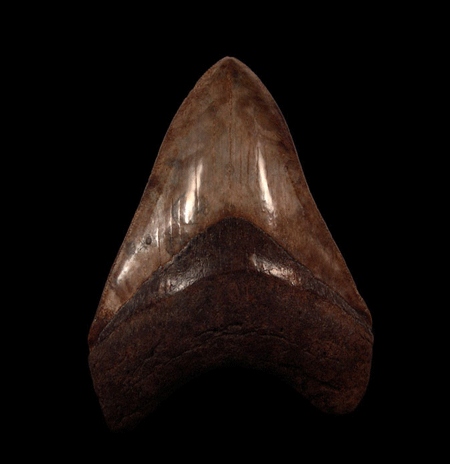
One of the most immediate indicators of a tooth's authenticity lies in its surface texture. Real Megalodon teeth have a natural, time-worn appearance that results from millions of years of fossilization beneath layers of sediment. This aging process introduces subtle surface details that are hard to replicate.
Authentic teeth often show:
● Small pits and scratches from natural wear and erosion
● Variations in luster, with some areas more matte and others slightly glossy
● Irregularities along the surface, caused by geological and biological processes
Fake teeth, in contrast, tend to look too perfect or overly polished. Their surfaces may be unnaturally smooth or show signs of artificial distressing that lacks the randomness of natural weathering. When inspecting a tooth, trust your eye and your instinct. A real fossil should feel like it has history behind it.
Weight and Density: Heaviness You Can Feel
Another important aspect to consider is the weight of the tooth. Authentic Megalodon teeth are typically denser and heavier than their forged counterparts. This is due to the mineralization process that transforms organic material into fossil over millions of years. The minerals that replace the tooth’s original composition give it a significant heft.
When evaluating a specimen, hold it in your hand and assess whether its weight feels proportional to its size. While this is not a foolproof test, a genuine Megalodon tooth should feel solid and substantial. If it feels surprisingly light or hollow, there’s a good chance it’s not the real deal.
Root and Blade Details: What the Tooth Tells You
The structure of a Megalodon tooth can offer many clues to its authenticity. Focus on both the root and the blade, as each carries specific markers that are difficult to forge.
Root Features:
● Real teeth often have clearly defined root lobes
● Look for nutrient foramina, tiny holes in the root area that once allowed blood vessels to feed the tooth
Blade Characteristics:
● Authentic blades usually exhibit serrations, small saw-like edges that run along the sides
● These serrations may be partially worn due to age but should still be identifiable
● The enamel should appear naturally glossy and may show signs of wear near the tip
Replicas often miss these fine details or exaggerate them in an attempt to appear authentic. At Buried Treasure Fossils, we always emphasize careful inspection of these physical features to ensure you're getting a genuine fossil.
Signs of Fossilization: The Mineral Story
Perhaps the most definitive indicator of authenticity is the presence of fossilization marks. These are signs that the tooth underwent a long geological process where minerals gradually replaced organic components, preserving the tooth in stone.
When looking at a Megalodon tooth, check for:
● Color variation across the blade and root, often caused by mineral presence like iron or manganese
● Calcite patches that may show up as white or light-colored spots
● Remnants of sediment or matrix on the root or base of the tooth, which often reveal the environment in which the tooth was buried
Fossilization leaves behind a unique fingerprint that is virtually impossible to replicate perfectly. Even a small detail like a mineral pocket or uneven coloration can be a reliable clue.
Consulting with Experts: When in Doubt, Ask
While many collectors enjoy the thrill of evaluating fossils on their own, there’s no shame in reaching out to those with more experience. If you're unsure about the authenticity of a tooth, consult a professional. Paleontologists, fossil collectors, and reputable dealers can offer insights that help you make informed decisions.
At Buried Treasure Fossils, we pride ourselves on offering authentic Megalodon teeth backed by our deep knowledge and passion for fossils. We're here to help you feel confident in every addition to your collection. If you have any doubts, we encourage you to reach out and ask. It is better to verify than to wonder.
How to Tell If Megalodon Tooth Is Real: Key Takeaways
Understanding how to tell if a Megalodon tooth is real is a vital skill for any fossil enthusiast. Here’s a quick summary of what to keep in mind:
● Surface Texture: Look for natural pits, scratches, and irregular weathering
● Weight and Density: A real tooth feels solid and heavier due to mineralization
● Root and Blade: Examine for serrations, root lobes, and nutrient foramina
● Fossilization Marks: Check for mineral patches, sediment residue, and color shifts
● Expert Validation: Don’t hesitate to seek professional advice
By following these tips, you’ll be better equipped to recognize genuine Megalodon teeth and avoid replicas or artificially altered specimens.
Start Your Journey With Confidence
Whether you're beginning your fossil collection or expanding it with new specimens, knowing what to look for makes all the difference. At Buried Treasure Fossils, we’re committed to helping you connect with authentic pieces of natural history that you can treasure for a lifetime.
Explore our collection and bring home a real piece of prehistory.
Disclaimer: This blog is intended for informational purposes only. It does not encourage or endorse any unethical or illegal practices related to fossil collection. Please always adhere to local laws and regulations and practice environmental responsibility.