

When you think of prehistoric power and natural awe, few things compare to the toothy legacy of the Great White shark. These apex predators, both feared and revered, have captivated scientists, collectors, and ocean lovers for generations. But beyond the myths and movie madness, Great White teeth hold a prized place in the world of fossil collecting. Why? Their rarity, exceptional condition, and undeniable collector appeal make them one of the most sought-after fossils on the market today.
Let’s take a closer look at what makes these iconic teeth such a standout in any fossil collection.
Nature’s Design: Why Great White Teeth Are Instantly Recognizable
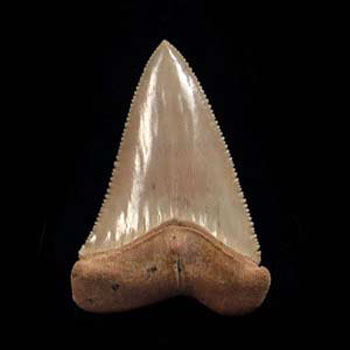
The Great White shark—scientifically known as Carcharodon carcharias—is a true marvel of evolution. One of the most defining characteristics of this species is its teeth. Wide, triangular, and densely serrated along the edges, they are designed to cut through flesh and bone with surgical precision.
Unlike many other fossilized teeth, Great White teeth possess a unique shape and serration pattern that immediately identifies them, even among novice collectors. The triangular crown is not just for show—it’s a sign of the shark’s predatory dominance and efficiency.
The Allure of Fossilized Shark Teeth
Shark teeth, in general, have fascinated humans for centuries. From being used as tools and amulets in ancient civilizations to becoming collectible items today, their story is layered with history and wonder. However, fossilized shark teeth are more than just remnants of the past—they’re snapshots of an oceanic timeline that stretches back millions of years.
Great White sharks themselves have been gliding through the seas for at least 16 million years, according to fossil records. Their teeth, especially fossilized ones, are often discovered in sediment layers that give us insight into marine life during different geological periods.
Rarity That Increases Over Time
While shark teeth are not uncommon in the fossil trade, Great White teeth are a different story. These are relatively rare, and large, complete specimens are even harder to come by—especially those with sharp serrations, no restoration, and natural enamel.
There are several reasons for this rarity:
● Protection of modern Great Whites: These sharks are now a protected species, which limits the legal collection of new teeth. Most fossil teeth must be sourced from old collections or select fossil sites.
● Condition sensitivity: Many fossilized teeth are damaged, broken, or worn down by time and natural forces. A well-preserved Great White tooth, with intact serrations and color, is exceptionally uncommon.
● Geographical limitations: Quality specimens often come from only a few areas—like South Carolina, North Carolina, Chile, and Peru—each offering its own color variation and mineral composition.
Because of these factors, fossil-grade Great White teeth become scarcer with each passing year.
Why Museum-Quality Condition Matters
If you’re starting or upgrading a fossil collection, you’ve likely heard the phrase “museum-quality” tossed around. But what does it mean, especially in relation to shark teeth?
In simple terms, a museum-quality Great White tooth is a complete, authentic fossil that has not been restored, repaired, or artificially enhanced. These teeth retain their original color, serrations, and structure—features that significantly affect their scientific and aesthetic value.
Collectors often look for the following traits:
● Sharp, clean serrations: Indicate minimal erosion or damage.
● Symmetry in crown and root: A balanced, naturally preserved tooth stands out.
● Color quality: Depending on where the tooth was found, natural coloration varies. Chilean fossils, for instance, are often deep, dark browns or grays.
● No repairs or reconstruction: Authenticity matters. Restoration lowers both the value and integrity of a specimen.
For serious collectors, teeth that meet these standards are far more than decorative pieces—they're prized assets.
Collector Appeal: A Conversation Starter and Statement Piece
There’s something undeniably thrilling about owning a fossil from a creature as formidable as the Great White shark. For many, it's not just about the tooth—it’s about what the tooth represents: power, resilience, and a connection to an ancient world.
Great White teeth are often the centerpiece of private collections. Their visual appeal is striking—wide triangular shapes, serrated edges, and captivating hues. Whether displayed on a mantle, mounted in a frame, or stored in a protected case, these teeth spark conversation.
Additionally, many collectors take pride in the fact that their tooth may have belonged to a shark that swam millions of years ago—before humans even existed. That type of historical connection adds both emotional and intellectual depth to a fossil collection.
How to Choose the Right Great White Tooth for Your Collection
For anyone new to fossil collecting or just entering the world of shark teeth, the selection process can be overwhelming. But a few smart considerations can help you choose a quality piece.
1. Know your sources: Reputable fossil dealers only sell authentic specimens and will often certify that the tooth hasn’t been repaired or altered.
2. Check the origin: Teeth from specific locations like Chile or South Carolina are known for better preservation and richer colors.
3. Review photos closely: Whether online or in person, inspect every angle of the tooth to look for chips, repairs, or discoloration.
4. Start small, upgrade later: While it may be tempting to go for a massive specimen, building your collection gradually with authentic, smaller teeth allows you to learn the ropes before investing in rarer finds.
If you’re searching for a fossil that’s both scientifically significant and visually impactful, it’s hard to top a Great White tooth.
A Symbol of Survival and Strength
Shark teeth are sometimes worn as pendants or used in decorative art, not just because they look cool, but because they symbolize courage, survival, and protection. In ancient times, people believed shark teeth had mystical powers to protect against harm or poison. While we may not hold those beliefs today, the symbolism hasn’t entirely disappeared.
A fossilized Great White tooth is a reminder of nature’s raw force. It's a relic from one of the ocean’s most skilled hunters. Whether you keep it on your shelf or wear it as a talisman, its story travels with you.
Why This Fossil Belongs in Every Serious Collection
For collectors who value authenticity, rarity, and historical significance, few specimens compared to a well-preserved Great White tooth. These teeth offer more than just aesthetic appeal—they’re tangible links to Earth’s deep marine history. Their unique shape, geological backstory, and scarcity place them in a league of their own.
And while many types of fossilized shark teeth are available to enthusiasts, it’s the museum-quality Great White specimens that truly stand out. Whether you’re a seasoned fossil hunter or just beginning your journey, adding one of these iconic teeth to your collection is both a wise move and a powerful statement.
So, what makes Great White teeth the crown jewel of fossil collections? It's the blend of science, beauty, and legacy—wrapped into a single fossilized fragment of time.






