Shark teeth have fascinated fossil enthusiasts for generations, but few are as sought after as those belonging to Otodus angustidens. This extinct species, often called the direct ancestor of the mighty megalodon, left behind teeth that are not only scientifically significant but also visually striking. For collectors, finding an Angustidens shark tooth for sale represents more than just owning a fossil; it’s an opportunity to hold a piece of prehistoric history with unique qualities that make it stand out in the fossil world.
In this blog, we’ll look at what makes these teeth so remarkable and why they are valued by both seasoned collectors and those just beginning their fossil journeys.
A Glimpse Into Prehistoric Oceans
Roughly twenty-eight to thirty-two million years ago, Otodus angustidens swam in oceans across the globe during the Oligocene epoch. These sharks grew impressively large and left behind teeth that continue to capture imaginations today. Each fossil tells a story of the predator’s role in marine ecosystems long before humans appeared on Earth.
The connection to the megalodon also adds to their allure. Collectors know that when they encounter an Angustidens shark tooth for sale, they are looking at a direct evolutionary link to one of the most iconic apex predators in natural history.
Distinctive Features of Angustidens Teeth
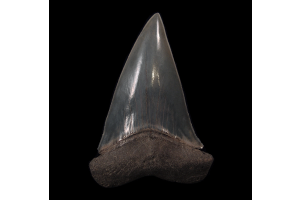
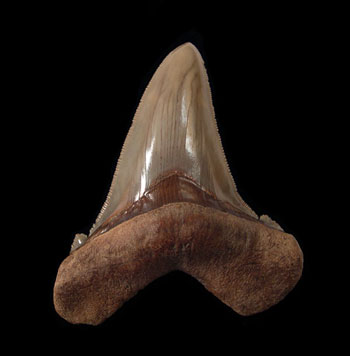
One of the first things collectors notice is the triangular crown with its sharp serrations. These serrations are finely detailed, running along the edges of the tooth, and they remain surprisingly well-preserved even after millions of years underground.
Another hallmark is the presence of small side cusps. These extra points set Angustidens teeth apart from later megalodon teeth, which eventually lost them through evolutionary changes. The side cusps give the fossils a unique profile that fossil hunters can instantly recognize.
The roots, too, tend to be complete and robust, which makes these fossils stand out in quality when compared to other shark teeth of similar age. Add in the natural enamel sheen and variety of colors—ranging from black and gray to rare copper red—and you can see why collectors search so eagerly for these specimens.
Locations That Add to Their Value
Not all Angustidens teeth are equal, and part of what makes them collectible is where they are found. Some of the most renowned sites include:
● Chandler Bridge Formation in South Carolina: Known for producing large, high-quality teeth with black or gray coloration.
● Meherrin River, North Carolina: Famous for the “copper red” site, where fossils gain striking reddish hues that are both rare and highly prized.
● Kazakhstan Sites: Extremely scarce examples from Western Kazakhstan display unusual colors and preservation. Fewer of these have surfaced on the market, making them especially valuable.
When collectors encounter an Angustidens shark tooth for sale from one of these locations, the provenance itself becomes part of the appeal. Fossils from specific formations can command higher interest and value due to rarity and the conditions in which they fossilized.
Size and Condition: Why They Matter
Size has always been a factor in fossil collecting, and Angustidens teeth are no exception. Larger specimens—often measuring over three inches—are significantly rarer than smaller ones. When those larger teeth also display intact cusps, sharp serrations, and complete roots, their desirability skyrockets.
Condition plays a critical role as well. A tooth without chips, cracks, or repairs is far more appealing than one that has undergone restoration. Collectors typically prefer natural preservation, and a well-preserved tooth can remain sharp to the touch even after millions of years.
For this reason, when browsing an Angustidens shark tooth for sale, seasoned buyers pay close attention to detailed descriptions, looking for mentions of original enamel, bourlette quality, and the absence of repairs.
Color and Aesthetic Appeal
Beyond size and completeness, color contributes significantly to a tooth’s collectability. Black and gray specimens from South Carolina are considered classics, but the copper red teeth from North Carolina stand out for their unique beauty. These striking hues result from minerals present in the soil and water where the teeth fossilized.
Collectors often compare these copper red examples to gemstones for their rarity and visual impact. While color does not change the fossil’s scientific value, it certainly enhances its display quality, making these teeth centerpiece-worthy in any collection.
Scientific and Educational Value
While collectors prize Angustidens teeth for their aesthetics and rarity, paleontologists appreciate them for the evolutionary insights they provide. Studying these fossils helps scientists understand the transition from Otodus angustidens to the later megalodon.
The presence of serrated side cusps, the evolution of tooth size, and enamel structure all shed light on shark evolution and their role in ancient ecosystems. Owning one of these fossils is not only about beauty but also about preserving a specimen that continues to add to our understanding of prehistoric life.
Why Collectors Seek Authenticity
In today’s fossil market, authenticity is everything. Reproductions and altered fossils exist, making it important for buyers to purchase from reputable sources. Collectors want assurance that the tooth they’re buying hasn’t been artificially repaired or manipulated.
When you see an Angustidens shark tooth for sale accompanied by a guarantee of authenticity, you can trust that the fossil is genuine. Reputable sellers emphasize details such as “no repair or restoration” and often provide provenance information, increasing confidence in the purchase.
Investment Potential of Angustidens Teeth
Beyond their scientific and visual appeal, Angustidens teeth can hold investment value. As certain locations become depleted or restricted for collecting, the availability of top-quality teeth decreases. This scarcity drives demand higher among collectors who want rare, museum-grade specimens.
Larger, more colorful, and well-preserved examples tend to appreciate in value over time. Collectors who carefully choose fossils with these qualities not only enrich their collections but may also see financial returns in the future.
Caring for Angustidens Fossils
Owning such fossils also comes with responsibility. Proper care ensures that a tooth remains as stunning as the day it was unearthed. Collectors are advised to keep fossils out of direct sunlight, avoid exposure to excessive moisture, and store them in secure display cases.
Handling with clean hands prevents oils from dulling the enamel. For those who want to display them, using padded stands or shadow boxes helps highlight their beauty while keeping them protected. By maintaining them well, collectors preserve not just the fossil’s condition but also its long-term value.
A Fossil Worth Having in Any Collection
The appeal of Angustidens shark teeth lies in their combination of rarity, beauty, scientific significance, and connection to one of the ocean’s most legendary predators. Whether admired for their sharp serrations, rare colors, or impressive size, they remain a highlight in the world of fossil collecting.
For anyone browsing the market, finding an Angustidens shark tooth for sale represents more than just adding another fossil to a shelf. It’s an opportunity to own a tangible piece of history that continues to fascinate scientists and collectors alike.
Final Thoughts
In the end, what makes these fossils worth collecting is the balance of science, rarity, and visual appeal they bring together. Angustidens teeth are not just remnants of an ancient shark; they are natural works of art that connect us to a world long gone. Their sharp serrations, distinctive side cusps, and remarkable preservation remind us of the ocean’s deep past.
So, the next time you come across an Angustidens shark tooth for sale, you’ll know exactly why collectors consider them treasures of both science and history—worthy of admiration, preservation, and pride of ownership.