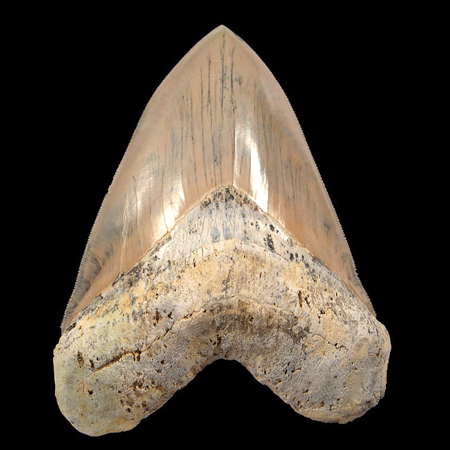
Collectors do not just look at fossils. They study them, compare them, and measure every detail. The 7-inch megalodon tooth draws their attention for one reason. It stands as a rare symbol of prehistoric life, unmatched in both size and strength. But size alone does not set the price. Several essential factors influence what a buyer will pay. Every collector wants to know why one tooth costs more than another. This guide lays out the reasons clearly and without confusion.
Why Does a 7-inch Megalodon Tooth Draw Interest but Condition Sets Value?
Many buyers begin with size. A 7-inch tooth stands above most fossil finds. That size places the tooth in a limited group that few specimens reach. It catches the eye and speaks of rarity. However, size alone does not hold value. A longer tooth that shows damage may price lower than a shorter one in perfect condition. Collectors examine every detail. They check for cracks, chips, worn blades, and broken roots. If the enamel looks clean and the serrations stay sharp, the value increases. A fossil in excellent shape proves it survived time with minimal wear. That tells a stronger story and makes it more desirable.
Why Color Plays a Bigger Role Than You Think
The environment around a fossil changes its color. Sediment, minerals, and soil pressure leave behind shades of gray, black, brown, or even red. These colors do not just make the tooth more attractive. They tell collectors something about where the fossil formed and what conditions it faced. Some colors appear more often. Others appear rarely and add value because of their uniqueness. Collectors usually lean toward bold, clean tones that display well. The right color can elevate the fossil beyond a mere historical artifact. It turns it into a centerpiece.
Buyers Respect Fossils That Keep Their Natural Form
Some fossils need minor fixes. A chip or crack might be filled to protect the tooth. If that work stays minimal and honest, collectors still see value in it. But when someone rebuilds parts of the tooth or adds material that changes its form, the story becomes less clear. Buyers expect complete honesty. If a tooth went through restoration, sellers must disclose every step. Trust builds strong fossil transactions. A collector who sees natural aging, even with minor flaws, will often choose that over an item that feels repaired or altered.
Location Gives Each Tooth a History
Collectors want to know where a fossil came from. That detail helps them judge how the tooth formed, what minerals shaped it, and how long it stayed buried before discovery. A 7-inch megalodon tooth found in calm river sediment may carry better preservation than one found in active coastal areas. This information, called provenance, adds to the fossil’s story. Suppose the tooth’s journey includes known collectors or respected dig sites, which often increases its value. Buyers see more than just a fossil. They see history they can hold.
Know How the Market Changes Over Time
Fossil prices shift. They move with interest, availability, and outside events. A film, museum feature, or academic report can increase interest. During those times, buyers rush to find rare pieces. Sellers respond by raising prices in line with demand. In slower periods, those same fossils may sell for less. Astute collectors watch these trends and act when the timing feels right. A rare item like a large Megalodon tooth does not change, but the way people value it can. Understanding that flow helps buyers avoid regret.
What Collectors Look For Before Making a Purchase?
Trust plays a role in every sale. Buyers want more than just good photos. They need to feel sure about the fossil’s background. Collectors often look for sellers who:
● Offer detailed, close-up images with full lighting.
● Share the fossil’s history, including the source location.
● Confirm whether any repairs were made.
● Stay open to questions and follow up clearly.
A seller who meets these points often earns more repeat buyers. The tooth may hold natural value, but the seller’s approach supports its price.
A Closer Look at Long-Term Potential
Some collectors buy fossils for display. Others see them as long-term assets. A well-kept Megalodon tooth, especially one that reaches seven inches, attracts both groups. These fossils do not flood the market. Once found, they rarely come back to market.
Preservation laws in some regions now limit fossil recovery. That fact makes older finds even more critical. If a collector stores the fossil properly, its value can remain stable or even grow. That kind of asset feels different than modern objects. It carries age, story, and uniqueness that no other item can match.
Final Thoughts for the Serious Buyer
No two fossils are priced the same. A 7-inch megalodon tooth gains value through its shape, condition, tone, origin, and timing. The story behind each specimen adds something more than numbers. When buyers take time to learn what these factors mean, they protect themselves from poor choices and discover fossils that hold meaning for years to come. Buyers who want to invest in more than size should look closely, ask questions, and trust their instincts. Fossils do not just rest on shelves. They give us a way to see the world as it once was. Those who understand that gain more from every piece they collect.
Footnote
Actual fossil value comes from more than its form. It lives in the condition, story, and hands that protect it for future discovery.