

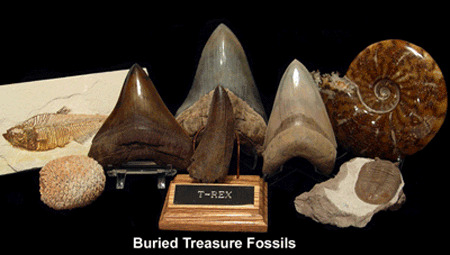
Every serious fossil collector wants the real thing. That is especially true when building a meaningful megalodon tooth collection. Megalodon teeth represent a direct link to a creature that ruled ancient oceans. These fossils tell a story through their age, shape, and the way they endured through time. But in today’s growing fossil market, buyers often face a significant issue. Fake, restored, or altered teeth are everywhere. These imitations look convincing, but they lack the natural weight, character, and history of real fossils. Suppose you want your collection to reflect actual prehistoric value. In that case, you need to know how to spot the signs of authenticity. This guide helps you do just that.
Why Fake Fossils Still Threaten Your Megalodon Tooth Collection?
Collectors drive strong demand for large, intact, and rare megalodon teeth. That demand fuels a market where sellers sometimes cut corners. Some fix broken teeth using fillers. Others polish and stain low-grade fossils to boost their appearance. In more serious cases, you may encounter entirely artificial replicas. Some sellers do not disclose these alterations. Others may not even realize the fossils they offer have been restored. Regardless of the reason, this creates a problem for buyers who trust what they see at face value.
Genuine megalodon teeth rarely look perfect. They hold irregularities, wear, and natural texture from their fossilization journey. If a tooth looks too shiny or too flawless, treat it with caution. Real fossils show signs of age. Understanding what to expect from authentic specimens helps you spot problems before they enter your collection.
What Real Megalodon Teeth Usually Look Like?
Authentic megalodon teeth exhibit natural preservation and mineralization. Over time, when minerals replace organic matter, they form a denser, heavier fossil. That weight should feel right in your hand. Natural teeth also exhibit layered color, slight roughness, and unique details on both the root and the blade.
You can recognize these traits through:
● Uneven color that reflects mineral deposits from the surrounding sediment.
● Texture changes between the enamel surface and the root area.
● Slightly dulled serrations or enamel chips that occur through natural erosion.
● Sediment remnants around serrations or root pits.
No two fossils look the same. When you see teeth that appear identical or flawless in every area, pause and review the details more closely.
How to Spot Repairs or Restored Sections?
Sellers often try to fix broken or incomplete fossils to make them look whole. They may use resin, clay, or other filler materials to rebuild tips or roots. If they disclose this openly, the choice becomes yours. But if they hide it, the collector ends up with something that holds less long-term value.
Watch closely for:
● Sharp changes in color between parts of the tooth.
● Areas that look smoother or more polished than the rest.
● Sections that reflect light differently under natural lighting.
● Sudden texture changes when you run a finger across the surface.
Most restoration work focuses on the tip and root. Check those parts carefully. Ask for detailed photos before buying online. If the seller avoids showing explicit angles or gives unclear answers, you have every reason to reconsider.
Recognizing Treatments That Change Natural Appearance
In addition to repairs, some sellers use polish or chemicals to enhance the surface's appearance. These treatments can make the tooth look more valuable than it really is. Polished teeth often shine more than they should. A natural fossil rarely has a consistent, mirror-like finish.
You can spot these treatments when:
● The entire surface reflects light evenly across all areas.
● The color appears overly uniform without variation or shading.
● The root feels smooth instead of grainy or porous.
Authentic megalodon teeth hold character through wear and irregularity. The more uniform a tooth's texture and tone appear, the more likely it is that the tooth has been enhanced. Treatments reduce the natural story each fossil tells, and serious collectors usually avoid them.
What to Ask Before Buying Any Tooth?
As a collector, you should never feel hesitant to ask detailed questions about the fossils you plan to buy. Reputable sellers who respect the history of fossils will answer honestly and clearly. A simple conversation often tells you everything you need to know about whether a seller understands what they offer.
Ask questions such as:
● Where was this fossil discovered?
● Has the tooth been restored or repaired in any way?
● Are these photos of the exact specimen or just an example?
You deserve answers before investing. Sellers who cannot provide clear, helpful details may not be offering fossils with reliable provenance. Your knowledge protects you from making mistakes that damage your collection.
Why Provenance and Source Matter to Collectors?
Provenance refers to the story behind a fossil. It includes where the fossil was found, under what conditions, and whether it passed through expert hands. When a seller shares this history with confidence, it builds trust and adds value to the fossil.
You should expect provenance when:
● The fossil comes from a well-known region with documented characteristics.
● The seller can explain how it was recovered and preserved.
● The fossil matches the expected traits for its origin site.
Many of the finest specimens available today come from areas with rich fossil layers, where natural preservation happens over millions of years. That kind of origin shapes a fossil’s identity and value. You want that story in your megalodon tooth collection.
Smart Actions You Can Take Before Making a Purchase
Before you add a tooth to your collection, follow a checklist to evaluate its quality and origin.
Use this process:
● Study the tooth from all sides under natural lighting.
● Ask for photos that show both the root and blade in detail.
● Feel the weight and texture, if possible, before buying in person.
● Compare the fossil’s color and surface to those of others from known regions.
● Ask direct questions about repair, treatment, or polishing.
By applying this checklist, you avoid common mistakes that first-time buyers make. With practice, you start to recognize patterns that help you judge the difference between genuine fossils and those altered for appearance.
Growing Your Collection with Confidence
You do not need to rush the process of collecting fossils. The best collections grow over time through careful decisions and consistent learning. When you know what a real fossil should look and feel like, you make better choices every time you buy. With every addition, look for traits that reflect authenticity, not surface perfection. Listen to your instincts when something feels off. Over time, your collection becomes a reflection of knowledge, patience, and personal interest. That is what gives a fossil real meaning. It becomes more than an object, it becomes a record of ancient life, chosen by someone who knows how to read the signs.
Final Words
Fake fossils can enter the market easily, but they do not have to enter your collection. You can protect your investment by asking better questions, carefully reviewing each tooth, and trusting your own judgment. A well-informed megalodon tooth collection reflects not just interest but understanding of what sets real fossils apart. Real megalodon teeth carry traits that no replica can truly match. When you learn to spot these markers, you build a collection that holds not just objects, but real history. Let every piece you own reflect your commitment to collecting with knowledge, purpose, and pride in the prehistoric stories you choose to preserve.
Footnote
Megalodon teeth hold power and value when chosen with knowledge. Learn the details, trust the signs, and your collection will grow with meaning and truth.






