

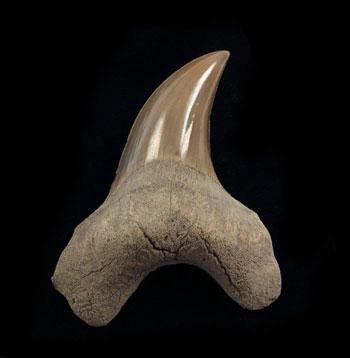
If you’re fascinated by fossils or love ancient sharks, the Parotodus tooth is one of the most exciting finds you can own. These rare shark teeth come from an extinct species called the False Mako shark and are treasured by collectors worldwide. But how do you find a real one? And what should you know before buying? This blog will guide you through everything about getting a genuine Parotodus tooth for sale online.
What Makes the Parotodus Tooth Unique?
The Parotodus tooth stands out because it comes from a rare shark species that lived millions of years ago. Unlike common shark teeth, these are large, sharp, and have thick roots. Their age traces back to the Miocene and Pliocene periods, which means they are often 3 to 5 million years old.
Collectors value these teeth because they are extremely rare, and each tooth tells a story of the ancient seas. If you want to add a unique item to your fossil collection, the Parotodus tooth is a top choice.
How to Spot a Real Parotodus Tooth?
When searching for a Parotodus tooth for sale, authenticity is crucial. Many fossils on the market can be replicas or altered pieces. Here’s how you can tell if a tooth is genuine:
● The enamel should have a natural shine without looking too artificial.
● The root is usually thick and may show small cracks or hydration marks.
● Edges are sharp but natural, not worn down or smooth like plastic.
● The tooth should have a known origin, such as the Hawthorne Formation or Yorktown Formation.
● A trustworthy seller will provide detailed info and photos.
Using these tips will help you avoid fake fossils and get a real Parotodus tooth.
Popular Locations Where Parotodus Teeth Are Found
The Parotodus tooth fossils are primarily found along the East Coast of the United States, particularly in states such as South Carolina, North Carolina, Virginia, and Maryland. These regions have rich fossil beds where many specimens have been discovered.
For example, the Hawthorne Formation in South Carolina and the Yorktown Formation in North Carolina are famous for yielding top-quality Parotodus teeth. Knowing this helps when verifying the source of your fossil and ensures you get a real piece of history.
How Big Is a Typical Parotodus Tooth?
Size can vary, but most Parotodus teeth range between 1.5 and nearly 3 inches long. Bigger teeth usually come from older or larger sharks, and these are rarer and more valuable. For collectors, a large tooth with a thick root and intact enamel is like finding buried treasure.
If you’re browsing for a Parotodus tooth for sale, check the measurements carefully. Bigger isn’t always better, but size does affect the value and rarity.
What Colors Can You Expect?
One fascinating aspect of the Parotodus tooth is the range of colors. Teeth can appear in shades of tan, black, blue, gray, or even deep red, depending on the minerals in the rock where they fossilized.
These natural colors add to their beauty and collectibility. When you see a colorful Parotodus tooth, it means it likely comes from a unique fossil bed, making it more interesting and valuable.
How to Choose the Best Parotodus Tooth for Your Collection?
Choosing the right Parotodus tooth depends on your preferences and budget. Here’s what to consider:
● Condition: Look for teeth with sharp edges and intact roots.
● Size: Larger teeth often cost more but are impressive display pieces.
● Color: Pick a color that appeals to you; some collectors prefer rare blue or red hues.
● Provenance: Teeth with a clear origin and fossil formation info are more trustworthy.
● Price: Make sure the cost fits your budget and matches the tooth’s quality.
By considering these factors, you’ll find a Parotodus tooth that feels right for you.
Why Buy a Parotodus Tooth Online?
Shopping online for a Parotodus tooth offers many benefits. You get access to a wide selection from different sellers and regions, which you might not find locally. Plus, online listings usually provide detailed photos, sizes, and descriptions.
Additionally, buying online allows you to compare prices and read customer reviews easily. However, always choose reputable sellers who guarantee authenticity to avoid scams.
How to Care for Your Parotodus Tooth?
Once you own a Parotodus tooth, you want to keep it looking beautiful for years. Here are some easy care tips:
● Clean it gently with mild soap and water; never use harsh chemicals.
● Avoid dropping or banging the tooth; fossil teeth can chip or crack.
● Store it away from direct sunlight or extreme heat.
● Use a soft display case or padded box to protect it.
Taking good care of your Parotodus tooth keeps it in excellent condition and preserves its value.
Watch Out for Fake Parotodus Teeth
Unfortunately, fake fossils exist. Some sellers might try to pass off replicas or altered teeth as genuine. Here’s how to avoid fakes:
● Avoid deals that seem too good to be true.
● Check for detailed seller info and customer reviews.
● Ask questions about the tooth’s origin and condition.
● Look for any signs of repair or artificial enhancements.
Being cautious will help you find a true Parotodus tooth and avoid disappointment.
Can Parotodus Teeth Be Restored?
Sometimes, fossil teeth have minor damage, like small cracks or chips. Some sellers restore teeth carefully to improve their look, but these restorations should be disclosed.
A genuine Parotodus tooth with no restoration is more valuable. If you consider a restored tooth, ask the seller for full details.
Why Collect Parotodus Teeth?
Collecting Parotodus teeth is not just about owning a fossil—it’s about connecting to a prehistoric world. These teeth remind us of ancient oceans and giant sharks that ruled the seas long before humans existed.
For many, it’s also a fun and rewarding hobby that combines science, history, and natural beauty.
Final Thoughts: Time to Find Your Parotodus Tooth
If you’re ready to own a genuine Parotodus tooth, now is the time to start exploring trusted sources online. Remember to check details carefully, ask questions, and choose quality.
Owning a Parotodus tooth means holding a rare treasure from millions of years ago. It’s a piece of nature’s history you can proudly display or add to your collection.
Ready to Get Your Genuine Parotodus Tooth for Sale?
Don’t wait! Begin your search for an authentic Parotodus tooth for sale today. Dive into the fascinating world of fossils and bring home a rare piece of the ancient ocean.
Start your fossil adventure now and claim your very own Parotodus tooth!
Common Questions About Parotodus Teeth
Many people have questions when considering a Parotodus tooth. Here are some quick answers:
Q: How old is a typical Parotodus tooth?
A: Most are 3 to 5 million years old, from the Miocene-Pliocene periods.
Q: Can I tell the shark species from just the tooth?
A: Yes! The shape and size of the tooth help identify the Parotodus shark.
Q: Are all Parotodus teeth expensive?
A: Prices vary based on size and condition, but rare teeth can be costly.






