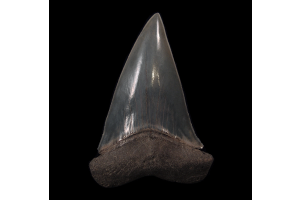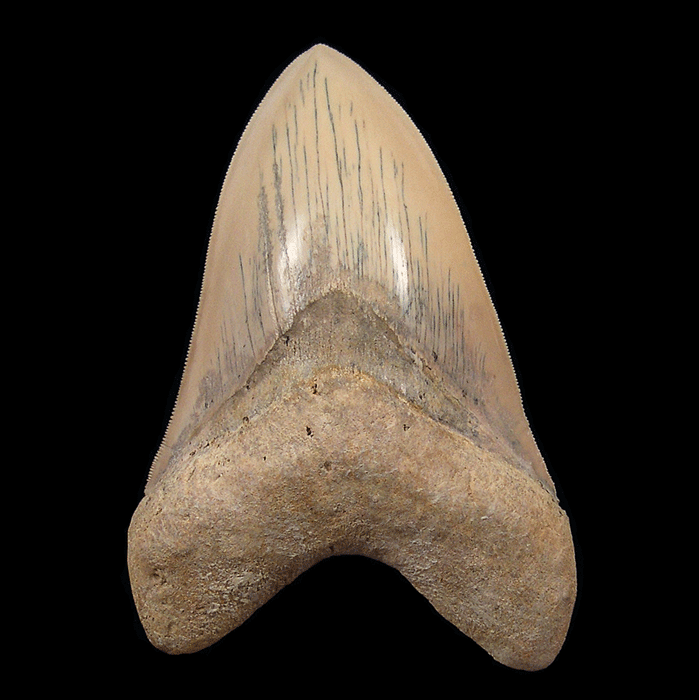
The oceans of prehistory were home to creatures that defy imagination. Giants swam where now only whales and smaller sharks roam, and their dominance left lasting marks in the form of fossils. Among these ancient predators was one that continues to inspire fascination today—the megalodon. Its teeth, larger than a human hand, are scattered across fossil sites worldwide. Evidence from coastal sediments reveals its vast range, and some of the most compelling discoveries relate to Carcharocles megalodon, found in the Caribbean, where these sharks once ruled waters rich in marine life. The Caribbean, now celebrated for coral reefs and turquoise seas, was once the stage for this apex predator.
The thought that such a predator once thrived in the same waters where people now dive and sail adds a new layer to our understanding of the ocean. To understand this giant’s presence in these waters, we need to explore the world it lived in, the fossils it left behind, and the legacy it imprinted on our planet.
Ancient Life Beneath Prehistoric Waters
Millions of years ago, the oceans were warmer, shallower, and teeming with a diverse array of marine mammals. Whales were smaller, seals were abundant, and sea turtles glided in large numbers. This thriving ecosystem created a food supply capable of sustaining a predator of immense size.
The megalodon was unlike any other shark. Estimates suggest it grew up to sixty feet in length, dwarfing the largest great white sharks of today. Its serrated teeth were built to slice through bone, enabling it to feed on whales and large marine mammals. The structure of its jaw and the force it could exert made it the ultimate predator in these waters.
Fossils as a Window to the Past
Because shark skeletons are made of cartilage, they do not fossilize well. What we find today are teeth—durable remnants that provide clues about these massive creatures. In the Caribbean, fossilized teeth are often found in riverbeds, eroded cliffs, and sedimentary layers that once formed ocean floors. These discoveries provide a means to reconstruct the behavior and presence of the megalodon.
Each tooth reveals a story. Their wear patterns suggest the types of prey consumed. Their size and shape can indicate whether they came from a younger or older shark. Even their coloration points to the minerals in the soil and water that preserved them for millions of years. Holding such a fossil is like having a chapter of Earth’s history.
The Role of the Caribbean in Megalodon Life
The Caribbean was more than part of the megalodon’s hunting territory—it may have been one of its nurseries. Coastal areas with shallow, warm waters provided protection for young sharks. Just as modern species like tiger sharks and hammerheads use nurseries today, megalodons likely sought out similar environments for their young to grow before venturing into open seas.
Warm currents, abundant prey, and accessible coastal areas made the Caribbean a key habitat. Some fossil evidence suggests that populations of young megalodons were particularly plentiful in these waters, highlighting the region’s importance in sustaining the species across generations.
Teeth That Tell Stories
The megalodon’s teeth are distinct—triangular, broad, and serrated. Some reach over seven inches in length. These were not designed for small prey but for tackling animals as large as whales. Teeth found in Caribbean sites often show evidence of contact with bone, suggesting active predation.
Smaller teeth, sharper and less worn, belong to younger sharks. These finds reinforce the idea of nursery areas where juveniles developed before moving into deeper waters. Larger, heavily worn teeth show the life of an adult predator at the height of its dominance. Together, these fossils provide a comprehensive picture of life stages within a single region.
What Fossils Reveal About Prehistoric Behavior
Fossil records allow scientists to piece together not only where megalodons lived but also how they interacted with their environment. Some fossil sites in the Caribbean have yielded megalodon teeth alongside those of whales. This suggests direct predator-prey relationships, offering evidence of encounters between giant sharks and early whales.
By studying chemical traces within teeth, scientists also uncover details about migration. The ratios of oxygen isotopes can indicate water temperatures where the shark swam, helping reconstruct its travel routes. Such research adds another dimension to the understanding of how these predators navigated oceans and used regions like the Caribbean as part of their survival strategy.
A Turning Point in Earth’s History
Roughly three million years ago, the megalodon disappeared. The reasons remain debated, but changing ocean temperatures, declining prey populations, and competition from other predators are likely contributing factors. The extinction of such a dominant species had a dramatic impact on marine ecosystems. Great white sharks rose to prominence partly because the megalodon was no longer there to compete with them.
This shift illustrates the delicate balance of life. Even the largest and most formidable predators are not immune to environmental changes. Fossils serve as a poignant reminder of this truth, illustrating that survival is not solely about size but also about adaptability.
Human Fascination With the Megalodon
The megalodon holds a unique place in human imagination. Its sheer size sparks wonder and curiosity. To have one of its teeth is to feel directly connected to the prehistoric ocean. Collectors, paleontologists, and enthusiasts treasure these fossils because they bridge an immense gap between our modern world and a time when predators of almost unimaginable size ruled the seas.
Every fossil discovered is a piece of history—a tangible reminder of the passage of millions of years. It’s not just about science; it’s about storytelling, connecting us to the mysteries of the past.
Insights From the Caribbean Record
Caribbean fossil sites continue to provide invaluable data. Beyond size and distribution, they help scientists understand past climates. The chemical composition of megalodon teeth reveals ocean temperatures, which in turn sheds light on broader climate patterns during the Miocene and Pliocene epochs.
This information helps researchers draw comparisons with current climate shifts. By studying how ancient species adapted—or failed to adapt—we gain perspective on how today’s marine life might respond to ongoing changes. Fossils are not only a record of history; they are also guides for understanding the past and the future.
Legacy Beneath the Surface
The Caribbean is today renowned for its vibrant coral reefs, diverse array of fish, and warm waters. Yet beneath that beauty lies a history of predators that shaped marine ecosystems. Fossils of megalodons remind us that the oceans we know now were once very different.
The legacy of the megalodon endures not in its physical presence but in the clues it left behind. Each fossil speaks of resilience, transformation, and the inevitability of change. In this way, the story of the megalodon is not only about extinction but also about the ongoing narrative of life on Earth.
Conclusion
From its immense size to its dominance as an apex predator, the megalodon was a creature shaped by the abundance and warmth of prehistoric seas. Fossils unearthed in the Caribbean reveal information about its evolution, its prey, and its role in shaping marine ecosystems. More importantly, they remind us that even the most formidable species are part of nature’s delicate balance.
The record of Carcharocles megalodon - Caribbean connects science, imagination, and history into a single story. It is a narrative that allows us to view the ocean not only as it is today, but also as it once was—and as it may be shaped again in the future.
If the idea of connecting with ancient ocean history excites you, exploring authentic fossils is a meaningful way to bring the past into your hands. Each specimen carries a piece of time, a silent record of Earth’s most fascinating predator. Begin your journey into prehistoric discovery and let the history of the oceans speak to you.