

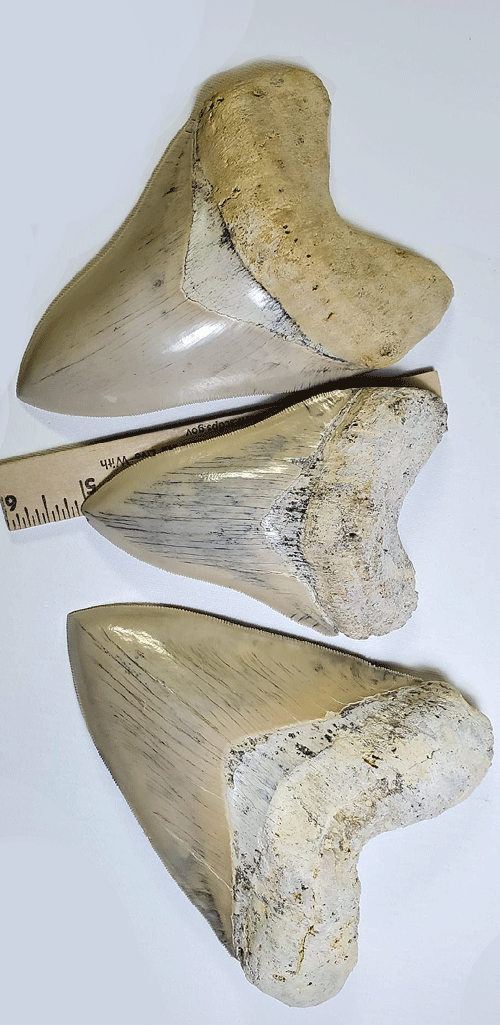
Collectors value authenticity. That truth applies even more when you search for a megalodon tooth fossil. Some look impressive at first glance, but not every big, shiny tooth comes from the deep past. Many people fall for replicas, heavily restored items, or artificially polished specimens. These changes erase the natural story a fossil tells. You deserve to know what to look out for before adding anything to your collection. Real fossils carry signs of age. Their flaws tell the truth. When everything appears too perfect, stop and look more closely.
Let’s explore more detailed information:
Check the Surface for Natural Texture
Genuine enamel shows uneven texture. It never shines like a polished shell. You may notice streaks, patches, or dull finishes that vary slightly across the surface. These traits reveal how minerals replaced organic material over time. If the enamel appears smooth, glossy, and even, it is likely that someone has altered it. Synthetic polish hides imperfections. That shine may grab attention, but it covers up the tooth’s history.
Look for Asymmetry in the Tooth Shape
Megalodon teeth do not grow in perfect balance. Natural forces shape every fossil in unique ways. One side might wear down more than the other. Serrations often fade unevenly. A real tooth might tilt slightly or curve to one side. These features help you spot the real ones. If both sides match exactly, or the lines feel too clean, someone probably used a mold or reshaped a restored piece. Real teeth carry the chaos of time.
Feel the Root to Judge Authenticity
Hold the tooth in your hand. Focus on the root. It should feel rough, uneven, and porous. That texture comes from the original material breaking down and absorbing minerals. Small holes, rough patches, or brittle areas offer proof of age. If the root feels too smooth or looks solid and plastic-like, that raises a red flag. Some restorers fill broken sections with resin or other materials. These repairs often mask damage, but also remove value.
Use Weight and Balance as Clues
Real fossils feel solid. Mineral replacement adds density. You will notice the weight when you hold the tooth. A genuine megalodon tooth fossil carries a heaviness that reflects centuries of mineral buildup. Fake or reproduced versions often feel too light for their size. Some might look impressive but feel hollow. That mismatch between size and weight tells you something feels off. Trust your hands. A real tooth will feel grounded. A fake often feels like plastic.
Study the Color Pattern Closely
Color varies across authentic fossils. Soil conditions, pressure, and minerals can affect the appearance of a tooth. You might see a mix of dark browns, grays, blacks, or beige tones. These patterns never stay perfectly even. When the entire tooth resembles something that came from a paint bucket, start asking questions. Solid color often means chemical treatment or staining. Real fossils carry colors that shift naturally. Look for those signs before you accept a specimen as genuine.
Notice if the Tooth Matches Others Exactly
No two megalodon teeth ever look the same. Each one forms under unique conditions. Even teeth from the same jaw will differ. If you notice several teeth with the same curve, size, and features, someone likely used a mold. Replicas flood the market. You need to look beyond size and shine. Focus on what makes each piece different. That uniqueness gives fossils their meaning.
Avoid Over-Restored Pieces That Hide Damage
Many real teeth show cracks, chips, or missing tips. Some restorers try to rebuild those sections. Minor touch-ups may enhance the display, but excessive work can compromise authenticity. Resin, filler, and color matching often turn a real fossil into a partly fake object. If you spot sharp lines, uneven color changes, or smooth patches where the tooth should show wear, assume it has been heavily restored. Honest sellers disclose these fixes. The problem begins when no one mentions it.
Trust Wear Over Perfection
Collectors understand that real fossils carry history. You should see signs of pressure, mineral contact, and age. Scratches, dull edges, small cracks, and uneven coloring often prove authenticity. These marks should comfort you, not deter you. When every edge feels sharp and clean, or when the surface shows no signs of erosion, you need to pause. You want to own something natural, not something altered to look better than it should.
Final Thoughts
When you search for a real megalodon tooth fossil, trust the clues that time leaves behind. Texture, weight, color shifts, and surface wear all speak louder than symmetry or shine. Some sellers clean and restore fossils to meet buyer expectations. Others reproduce them entirely. You have to know the difference. A real fossil never hides its flaws. These flaws carry the truth. A genuine piece brings the past into your hands with every ridge and every mark. Accept the imperfections. They tell the real story.
Footnote
Every real fossil carries scars that prove its age. Choose texture, wear, and truth over polish or shine. Authenticity never looks flawless.






