

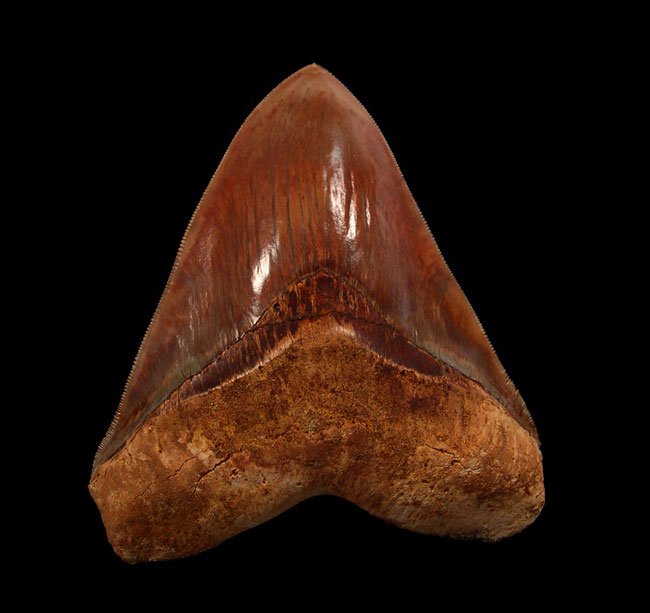
Unearthing fossils is like opening time capsules, each fragment carrying whispers of prehistoric seas and the creatures that once thrived in them. For paleontologists and advanced collectors, one discovery resonates with particular fascination: the youngest Megalodon tooth found. This remarkable specimen not only fuels excitement within the fossil community but also pushes the boundaries of our scientific understanding of shark evolution and extinction. As researchers examine these teeth, we at Buried Treasure Fossils share the same enthusiasm—each tooth, claw, or ammonite deepens our appreciation of Earth’s ancient history and connects us directly to the mysteries of deep time.
Revisiting the Giant of the Seas
The Megalodon, meaning “big tooth,” is not merely another prehistoric shark; it is the unrivaled predator of the ancient oceans. Roaming the seas between 23 to 3.6 million years ago, Megalodon reached estimated lengths of up to 60 feet, with jaws capable of crushing whales. Its teeth, often exceeding 7 inches, are iconic fossil specimens treasured by collectors and scientists alike. While we can marvel at its size, what captivates researchers is the effort to trace the very last chapter of this predator’s reign. That’s why the youngest Megalodon tooth found carries significance—it marks the boundary between survival and extinction.
Why the Youngest Tooth Matters
Pinpointing the final appearance of a species in the fossil record is a cornerstone of paleontology. In the case of Megalodon, each tooth discovered helps refine the timeline of its extinction. Current evidence suggests that Megalodon vanished around 3.6 million years ago. However, the discovery of younger teeth has the potential to shift this timeline, altering our theories about environmental changes, predator-prey dynamics, and evolutionary competition.
For researchers, the youngest teeth serve as markers. They indicate not just when Megalodon disappeared but also what climatic and ecological conditions coincided with its decline. For collectors, possessing one of these final traces is like holding history’s punctuation mark—an object that closes the narrative of a species that once ruled the seas.
The Challenges of Dating Fossils
Determining the precise age of a Megalodon tooth is no simple task. Fossil dating involves stratigraphic analysis—examining the sedimentary layers where the tooth was found—and radiometric dating, which measures isotopes within the surrounding materials. Yet teeth are often subject to natural reworking: ocean currents can dislodge fossils, carrying them into younger or older deposits. This means that confirming the authenticity of the youngest Megalodon tooth found requires rigorous examination, cross-checking sediment context, and often revisiting excavation sites.
For advanced collectors, this meticulous process underscores the value of authenticated fossils. At Buried Treasure Fossils, we prioritize quality and legality, ensuring that every specimen, from Megalodon teeth to dinosaur claws, comes with the assurance of authenticity and detailed context.
The Role of Technology in Fossil Discovery
The search for the youngest Megalodon tooth has benefited immensely from modern technology. GPS mapping, 3D scanning, and refined isotopic dating methods now allow researchers to track fossil provenance more accurately than ever before. Advanced imaging even helps analyze wear patterns on teeth, providing clues about diet and habitat in the shark’s final days.
These tools are not limited to scientists alone. Serious collectors who invest in high-quality fossils can now access detailed reports and provenance records, bridging the gap between academic research and private collecting. This blending of science and passion is at the heart of why our community continues to grow.
What the Youngest Tooth Reveals About Extinction
The disappearance of Megalodon remains one of paleontology’s most debated topics. Was climate change the culprit, cooling the oceans and reducing prey availability? Did competition from early great white sharks accelerate its decline? Or did shifts in marine ecosystems simply erode the apex predator’s dominance over time?
The youngest teeth provide tangible data points in this debate. Each fossil narrows down the extinction window, helping researchers align Megalodon’s disappearance with broader events such as glacial cycles, sea-level changes, and mammalian evolution. For example, a tooth securely dated at 3.6 million years suggests overlap with early great whites, strengthening theories of competition. A younger tooth could rewrite this narrative entirely, pushing extinction closer to modern times.
Cultural and Educational Significance
Beyond science, the hunt for the youngest Megalodon tooth inspires curiosity among fossil enthusiasts and the public alike. Few fossils command the same universal awe as Megalodon teeth. Their sheer size symbolizes the unimaginable power of Earth’s past creatures.
At Buried Treasure Fossils, we’ve seen how these specimens ignite curiosity in beginners and deepen passion among experienced collectors. A single Megalodon tooth on display can transform a personal collection into a teaching tool—sparking conversations about evolution, extinction, and the fragility of ecosystems. In this way, fossils extend their relevance far beyond paleontology labs, shaping cultural appreciation of natural history.
Buried Treasure Fossils: Bridging Passion and Science
Since 2000, we have dedicated ourselves to making authentic fossils accessible to researchers, educators, and collectors. From Megalodon teeth and Tyrannosaurus rex claws to ammonites and trilobites, our extensive catalog reflects both variety and authenticity. The excitement surrounding the youngest Megalodon tooth found mirrors the spirit of our work: every fossil has a story, and every discovery deepens our connection to prehistoric life.
Collectors value more than aesthetics—they seek trust. That’s why we guarantee authenticity and legality, ensuring specimens are responsibly sourced. Whether you’re acquiring an entry-level shark tooth for under $50 or investing in a museum-grade piece, we provide transparency and guidance that enrich the collecting experience.
The Secondary Insights: Fossil Shark Teeth
Although the giant Megalodon teeth capture the imagination with their sheer size and ferocity, a treasure trove of other fossil shark teeth—from the ancient Otodus to the sleek makos—adds remarkable depth and complexity to collections. These varied specimens reveal a tapestry of evolutionary diversity and specialized feeding adaptations, offering a window into the intricacies of ancient marine ecosystems. Enthusiastic collectors who broaden their scope beyond the iconic Megalodon often uncover fascinating connections between different shark species, illuminating the intricate evolutionary lineage that has persisted into the modern era. For researchers, this comparative examination enhances their understanding, providing richer insights into the intricate dance of extinction and survival that has shaped the aquatic world over millions of years.
Looking Forward: The Search Continues
The quest for younger Megalodon teeth continues, a thrilling adventure that unfolds with each expedition. With every dive into the depths of ancient sediments or trek across craggy cliffs, fossil hunters are driven by a blend of patience and passion, fully aware that each moment could lead to a groundbreaking find. The air is thick with anticipation as they sift through layers of history, hoping to uncover treasures that may rewrite our understanding of prehistoric life. For both dedicated researchers and seasoned collectors, the search is more than just a pursuit—it's an exhilarating journey filled with the promise of discovery and the awe of connecting with a distant past.
Conclusion: Holding History in Your Hands
In the end, the youngest Megalodon tooth found is more than a fossil—it is evidence of life’s impermanence and resilience. It reshapes scientific theories, inspires curiosity, and strengthens the bond between collectors and researchers. At Buried Treasure Fossils, we share in that passion, ensuring that every fossil, from shark teeth to dinosaur bones, is a doorway into Earth’s extraordinary past.
If you’re ready to explore these ancient treasures for yourself, we invite you to begin your own journey into prehistory. Each fossil you acquire is not just a specimen—it’s a story waiting to be discovered, a connection to a time when giants ruled the seas, and a step closer to unraveling the mysteries of life’s grand history.






