

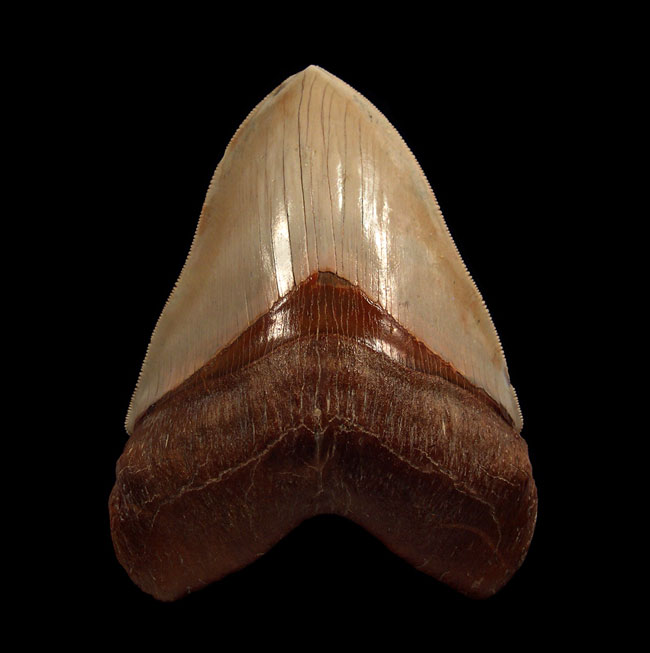
Few fossil discoveries stop collectors and researchers in their tracks. One recent find in Chile did precisely that. A tooth emerged from the sediment unlike any seen before. It measures more than any previously recorded Megalodon specimen. It offers a complete glimpse into the size and scale of this ancient predator. The oceans once belonged to this giant, and now, through this discovery, we get to hold a piece of that truth. This find presents the world's biggest megalodon tooth and invites fossil enthusiasts to study what strength, survival, and prehistoric dominance looked like in one fossilized form.
Let’s explore more detailed information:
The Fossil That Redefined a Giant
The Megalodon did not share space. This creature moved through the oceans as a true apex predator. Its teeth often reveal more than fossilized bones ever could. Each tooth tells a story about feeding habits, growth stages, and the massive size that these sharks reached in their prime. This new tooth measures significantly longer than average specimens. It displays characteristics consistent with a mature Megalodon at its peak size. That fact alone demands renewed attention from both the fossil market and the scientific community that continues to track Megalodon distribution and evolutionary biology through well-preserved specimens like this one.
Why Chile Became the Unexpected Source?
Chile rarely claims headlines when fossil hunters talk about Megalodon discoveries. That makes this find even more critical. The location provided ideal sediment layers and mineral conditions for preserving large marine fossils. The team that uncovered the specimen handled the excavation with expert care, ensuring that no part of the enamel suffered damage during retrieval. The soil kept the tooth in stable form for millions of years. This environment preserved root structure, enamel texture, and visible serrations in a way that many other global finds cannot match.
What This Tooth Tells Us About Megalodon’s Life?
Collectors often place value on size, but they also look for completeness, color, and authenticity. This tooth checks every box. It shows no signs of reconstruction or polishing. The edges remain sharp, and the enamel still retains rich tones, indicating excellent preservation. It came from deep layers that held firm over time. Scientists studying the tooth confirmed that it likely belonged to a full-grown Megalodon that reached its mature size without interruption. Fossils like this provide insight into how the Megalodon evolved, its hunting behavior, and its distribution across various marine corridors during prehistoric eras.
Measuring the Limits of Megalodon Size
To understand the reach of this shark, researchers use crown height measurements and body-length formulas. When applied to this particular tooth, the data shifts expectations upward. The estimates suggest that the owner of this tooth may have surpassed the largest size models previously accepted. That makes this not just a record-breaker in the fossil world but also a data point that changes our understanding of the animal itself. Chile’s coastal waters may have offered rich prey sources, allowing Megalodons to grow beyond what researchers believed possible based on older samples from other parts of the world.
A Fossil That Brings Science and Market Together
The world's biggest megalodon tooth carries more than size. It carries context. The wear patterns along the edge suggest that the shark used this tooth actively rather than losing it prematurely. That wear confirms feeding behavior at advanced life stages. Researchers gain essential insights by examining the quality of serration, break patterns, and the density of the root. These factors help them understand the lifespan and range of movement in these ancient sharks. This fossil stands apart because it adds depth and clarity to those findings, not just bulk or length, which triggers excitement in fossil auctions.
How Collectors and Experts Are Reacting?
Every serious collector pays attention when a fossil like this surfaces. It raises standards and expectations. Market watchers notice when specimens push boundaries, especially when they come with clear provenance and scientific backing. This fossil does precisely that. It arrives with credible measurements, expert verification, and a location that adds value in itself. Chile now enters the conversation in a way that few expected. That location adds diversity to the map of Megalodon finds and draws new attention to areas that may still hold vital fossil records yet to be discovered or studied in depth.
The Academic Impact of a Rare Find
Beyond its market appeal, this tooth also helps reset discussions in academic circles. Students, researchers, and marine historians can reference this fossil as a prime example of preservation and maturity. Most fossils only provide us with fragments or samples that leave us with unanswered questions. This one offers answers. It confirms theories about growth potential and territorial range. It makes earlier finds seem modest by comparison. Size alone does not make a fossil meaningful. Its contribution to science and clarity sets it apart. This Megalodon tooth does more than surprise. It informs, corrects, and reframes what experts thought they knew.
Preservation That Stands the Test of Time
Fossils often sit in display cases or storage drawers without context. That will not happen here. The researchers involved have already examined the tooth for minute wear traces and mineral composition. Each examination revealed something new. They confirmed that the fossil stayed undisturbed since the time of its burial. This adds trust to every measurement and helps build accurate models. From edge curvature to root width, the details align with a shark that lived at the top of its food chain. Fossils like this carry meaning far beyond what casual observers see in photographs or auction sheets.
Final Thoughts
This discovery of the world's biggest megalodon tooth does more than impress fossil collectors. It shows that nature continues to offer surprises when we least expect them. The size, structure, and authenticity speak for themselves. Experts gain knowledge. Collectors gain a new standard. And the fossil community gains a reminder that much still waits beneath the surface. This fossil delivers more than weight or length. It delivers perspective. It speaks for the prehistoric predator in a way that few fossils ever have. With every detail preserved, it tells a story worth remembering and studying for years to come.
Footnote
Not every fossil changes what we know, but some demand we pause and look closer. This one earns that moment through truth, size, and quiet power.






