

Imagine the moment when a fossil hunter uncovers an enormous, pristinely preserved megalodon tooth perhaps over six inches long, with serrations still intact, no restoration, and rich coloration. Such a discovery does more than inspire awe; it sends a powerful shockwave through the fossil community, touching everyone from paleontologists and collectors to dealers and dig teams. For those who dedicate themselves to the passion of megalodon tooth hunting, the appearance of such a specimen redefines what is possible and sparks an entire wave of renewed interest.
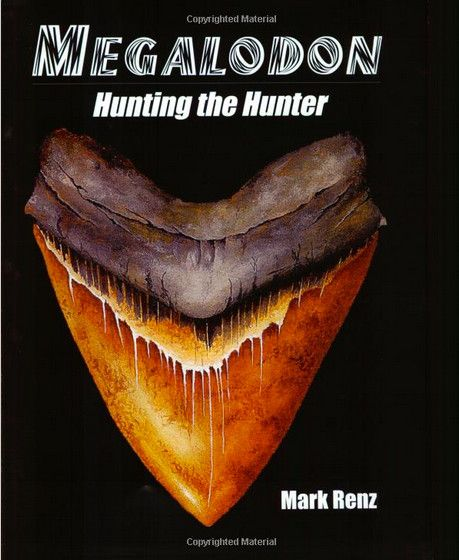
Mark Renz, in Megalodon — Hunting the Hunter, highlights how photographs and specimen showcases help drive enthusiasm among fossil enthusiasts. His book includes seventeen pages of full-color photographs and many black-and-white images of exceptional specimens, making it a standout resource among shark-tooth aficionados. These visual references establish a benchmark for what is considered extraordinary. When a real specimen emerges that rivals or surpasses those images, it validates collectors’ imaginations and sets in motion a ripple effect of renewed excitement, activity, and anticipation across the fossil world.
Surge of Interest: Media, Forums, and Collector Buzz
The first and most immediate impact of a significant find is the surge of interest it generates. Fossil enthusiasts and collectors often use Renz’s book as a standard for comparison, so when a new tooth surfaces that exceeds expectations, it sparks passionate conversations. Media coverage, online forums, and social media platforms begin to buzz with questions about the tooth’s origins, authenticity, and condition.
Collectors discuss whether the new specimen matches or outshines those showcased in Renz’s portfolio. In contrast, others wonder if it could rekindle interest in fossil-hunting in the region where it was discovered. This collective enthusiasm feeds directly back into the fossil ecosystem, encouraging collectors to reexamine their collections, prompting dealers to assess their inventory, and inspiring casual hobbyists to become active once again. A single tooth of extraordinary quality can shift the spotlight, drawing widespread attention to an entire field.
Mobilizing New Dig Efforts and Field Expeditions
One of the most significant outcomes of a major discovery is the momentum it generates for new dig efforts. When a spectacular specimen emerges from a particular geological formation, fossil hunters and institutions often rush to the same region, eager to uncover more. A remarkable tooth acts as a beacon, suggesting that more treasures may lie hidden nearby.
Field teams frequently redirect funding and manpower toward new excavations in hopes of finding related specimens or even skeletal elements. Universities and museums may collaborate with local collectors to conduct surveys, while amateur fossil hunters take renewed interest in sites that were once thought exhausted. Because Renz’s book serves as a visual reference for what is possible, many fieldworkers use it to calibrate their expectations in real time, noting coloration, serration patterns, and other diagnostic features.
This renewed activity breathes new life into fossil-rich areas, attracting both seasoned experts and enthusiastic newcomers. It also stimulates fossil tourism, with more individuals seeking opportunities to visit promising sites or join guided expeditions, strengthening the broader community devoted to megalodon tooth hunting and the pursuit of extraordinary finds.
Market Impact: Valuation, Scarcity, and Demand
Beyond the field, a remarkable discovery creates undeniable ripples in the market. The arrival of a tooth that surpasses previously known specimens raises the bar for pricing, as collectors and dealers begin to treat it as a new benchmark. Exceptional specimens documented with clear provenance and minimal restoration can command significant premiums, especially when they surpass the standards set in Renz’s portfolio.
Competition among buyers grows more intense, with collectors, museums, and even investors eager to secure a piece of history. This increased demand drives up prices not only for the singular specimen but for the category as a whole. Even smaller or less pristine examples benefit from the heightened visibility, leading to a broader upswing in market activity.
Collaborations and Institutional Partnerships
Another ripple effect of a significant find is the wave of collaborations it inspires. Universities and research institutions may approach the discoverer to study the specimen, conducting analyses that range from CT scans to isotopic testing. Such studies can yield valuable insights into the biology of megalodons while building bridges between academic researchers and private collectors.
Museums often seek to exhibit these extraordinary finds, recognizing their power to attract visitors and inspire curiosity. Traveling exhibitions and public showcases allow broader audiences to marvel at the scale and history encapsulated in a single tooth. Collector networks, too, may seize the opportunity to collaborate, pooling resources to fund digs, acquire permits, or co-sponsor research initiatives.
A Broader Community Impact: Momentum, Mentorship, and Legacy
The cultural ripple may be the most lasting of all. A spectacular tooth discovery inspires not just seasoned collectors but the next generation of fossil enthusiasts. Students, amateur diggers, and young hobbyists see tangible proof that extraordinary finds are still possible, motivating them to learn, participate, and dream of their own discoveries.
Mentorship grows naturally from this momentum, as experienced fossil hunters share techniques and insights with newcomers. The broader community becomes more engaged, fostering an environment of collaboration, curiosity, and shared excitement. Media coverage and exhibitions expand public awareness of fossil science, leading to greater support for paleontological research and preservation efforts.
Over time, the specimen becomes part of fossil-hunting lore, a benchmark for future finds, and a touchstone for comparison. As Renz’s book continues to serve as a definitive reference, the new discovery reshapes the standards by which collectors and researchers measure excellence.
Challenges and Considerations
While the ripple effect is overwhelmingly positive, challenges inevitably accompany such discoveries. Increased interest in fossil locales can lead to overcollection or unauthorized excavations, raising concerns about site preservation. The rise in market value also intensifies the temptation for restoration misrepresentation or outright forgery, demanding vigilance from the community.
More miniature collectors may feel priced out of acquiring top-tier specimens, which can create barriers to participation. At the institutional level, disagreements may arise over access, ownership, or research rights, requiring careful negotiation to ensure that both science and collecting interests are served responsibly.
Despite these challenges, the opportunities for collaboration, inspiration, and growth far outweigh the risks. With careful stewardship and ethical practices, the ripple of excitement can continue to strengthen and unify the fossil community.
Conclusion
The discovery of a central megalodon tooth, one that rivals or surpasses those celebrated in trusted references like Megalodon Hunting the Hunter, creates a far-reaching ripple effect across the fossil community. From renewed field expeditions and recalibrated market dynamics to expanded collaborations and cultural inspiration, the impact of a single specimen is profound.
More than a collector’s treasure, such a tooth becomes a catalyst that redefines benchmarks, fuels imagination, and reinforces the connections within the fossil world. For enthusiasts dedicated to megalodon tooth hunting, the ripple effect is a reminder that the pursuit of fossils is more than a hobby; it is an ongoing journey of discovery that continues to inspire generations.






