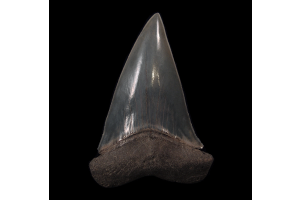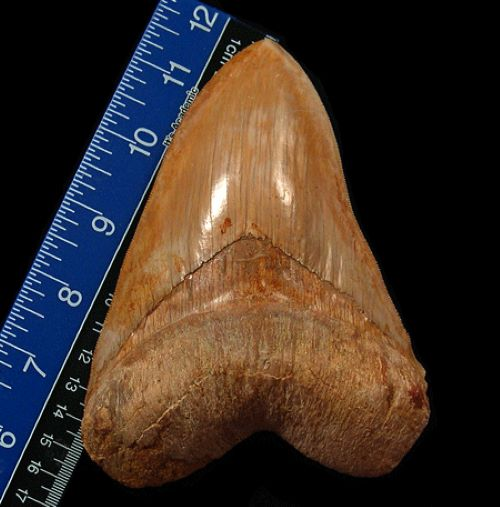
For fossil collectors and ocean history enthusiasts, few discoveries capture the imagination quite like the massive teeth of prehistoric sharks. From the average sizes that are still impressive by modern standards to the record-breaking giants that redefine scale, each find tells a story of the ocean’s most formidable predators. We can’t help but be fascinated by the sheer variety in megalodon tooth size and the clues it offers about life millions of years ago.
Let’s explore how these teeth range from common treasures to extraordinary rarities, and what makes them so captivating for collectors today.
A Range That Inspires Awe
The megalodon, an apex predator that roamed Earth’s oceans between roughly 23 and 3.6 million years ago, left behind some of the most sought-after fossils in existence. Its teeth are not just large—they are a window into an era when marine life operated on a scale far greater than today. While many finds measure between 3 and 5 inches, even these average specimens are impressive compared to modern shark teeth.
Collectors often focus on size because it reflects both the age and health of the shark. Larger teeth generally came from older, fully mature individuals, giving us insight into their life stages. This size variation creates a natural scale of collectibility, with bigger teeth commanding greater interest and value.
The Benchmark for Big
In fossil-collecting circles, one of the most frequent questions is: How big can a megalodon tooth get? While many are satisfied finding a tooth over 4 inches, exceptional specimens have exceeded 6 inches in length—massive by any measure. These teeth are rare, often discovered after years of searching in prime fossil-rich waters or sediment layers.
The largest authenticated megalodon teeth on record measure around 7 inches from tip to root. Such finds are exceptionally scarce, and their condition often determines their place in private collections or museum displays. Beyond their size, these teeth hold unique patterns of coloration, serration wear, and mineralization, making each one a distinct piece of prehistoric history.
What Makes the Largest Teeth So Rare
While smaller teeth are found worldwide in coastal sediment deposits, the true giants tend to emerge from specific regions known for preserving larger specimens. Geological conditions, sediment type, and fossilization processes all influence whether a massive tooth survives intact for millions of years.
Additionally, the rarity of these teeth stems from biology. Only the largest, oldest megalodons produced teeth in the 6-7 inch range. Given the natural mortality of these predators and the limited geographic range of optimal fossilization environments, it’s no wonder that such specimens are found in small numbers. Collectors know that acquiring one often means waiting years—or being in the right place at exactly the right time.
Record-Breaking Discoveries
Some of the most famous megalodon teeth have been pulled from rivers, beaches, and underwater fossil beds in regions like North and South America, parts of Europe, and Southeast Asia. The finds often make headlines not only for their size but also for their pristine preservation. In certain rare cases, teeth have been discovered with coloration patterns from mineral-rich waters, enhancing their visual appeal.
Fossil hunters often note that how big a megalodon tooth can get isn’t the only question—condition matters just as much. A 6-inch tooth with complete enamel, sharp serrations, and minimal root damage can be significantly more valuable than a slightly larger one in poor shape. This balance between size and preservation is what fuels the thrill of the hunt.
Collecting for Size and Story
For collectors, the appeal of the largest megalodon teeth is more than just numbers on a ruler. Each tooth represents a tangible link to a creature that could grow over 50 feet long and weigh as much as 100 tons. Larger teeth suggest the upper limits of the species’ size and strength, reinforcing their role as dominant predators of their time.
While some enthusiasts focus solely on acquiring the biggest specimens they can find, others prefer to build collections that showcase a variety of sizes and conditions. This approach highlights the evolutionary story of the megalodon, from juvenile teeth just a few inches long to the colossal giants that headline fossil shows and auctions.
Understanding the Measurement
When discussing megalodon tooth size, the standard measurement is taken from the tip of the crown to the furthest point of the root. This consistent method allows collectors and paleontologists to compare specimens accurately. A fraction of an inch can mean the difference between a “large” tooth and an “exceptionally large” one, which is why precision matters in both scientific and collector communities.
It’s also worth noting that the width of a tooth, the sharpness of its serrations, and the symmetry of its shape all play a role in its overall assessment. While length often gets the spotlight, these additional traits can elevate a tooth’s desirability among seasoned collectors.
The Allure of Display-Worthy Giants
A giant megalodon tooth is more than a fossil—it’s a statement piece. Many collectors display their largest finds prominently, either in custom cases or mounted stands that protect the fossil while showcasing its scale. Some prefer the raw, unpolished look, while others choose lightly cleaned specimens that highlight the enamel’s natural luster.
These teeth also serve as conversation starters, often inspiring discussions about ancient oceans, evolutionary history, and the mysteries that still lie buried beneath riverbeds and seabeds. The visual impact of holding a tooth larger than a human hand is an experience few forget.
Ethical Sourcing and Preservation
The market for large megalodon teeth has grown alongside public fascination, which makes ethical sourcing a key concern. Responsible fossil hunters and sellers ensure that their specimens are collected legally and with minimal environmental disruption. This not only preserves natural habitats but also maintains the integrity of the fossil trade.
For collectors, knowing the origin and legality of a tooth adds to its story. Documentation, provenance, and expert verification are essential, especially for record-sized finds. Preserving these fossils for future study and display ensures that their scientific and cultural value remains intact.
Why Do the Largest Teeth Still Fascinate?
Even after decades of discoveries, the allure of finding—or owning—the largest megalodon teeth remains strong. Part of the fascination lies in imagining the sheer scale of the shark that produced it, its hunting power, and the role it played in its ecosystem. These fossils are a reminder of a time when the oceans were ruled by a predator unlike any living today.
As long as rivers, beaches, and offshore fossil beds continue to yield treasures, the quest for bigger, rarer specimens will endure. The blend of history, rarity, and visual impact ensures that these teeth will remain a centerpiece for serious collectors.
Conclusion: A Connection to Giants of the Past
From modest 3-inch specimens to colossal 7-inch records, the range of megalodon tooth size tells a story that is both scientific and personal. Each tooth is a relic of an ocean giant, preserved through time and discovered by those with a passion for prehistory. For collectors, holding one is more than just acquiring a fossil—it’s a connection to a creature that once ruled the seas. And as we continue to explore and learn, the fascination with these underwater giants shows no sign of fading.
Explore the fascinating world of megalodon fossils and bring home an authentic piece of ancient ocean history today.