

You know the scene. Two fossils. Two stories. Two entirely different worlds trapped in enamel and dentin. On one side, a massive, ancient relic so big you could use it as a doorstop if you weren’t terrified of scratching it. On the other hand, a sharp, perfectly symmetrical triangle of pure predator engineering. Your hands hover. Your heart wants both. Your display case has room for one.
Welcome to the age-old tug-of-war — megalodon tooth vs great white.
This isn’t just about picking a fossil. It’s about choosing your allegiance. Are you siding with a prehistoric titan that hasn’t swum in 3 million years, or the modern-day apex predator still making headlines (and starring in shark documentaries)?
Why This Isn’t Just a “Which Looks Cooler?” Question
Collectors don’t just buy fossils. They buy stories they can point to on a shelf and say, “That right there? That’s history you can hold.” The megalodon and the great white each bring a completely different narrative.
One is sheer scale — a jaw-dropping reminder of when sharks ruled the oceans without competition. The other is sleek survival — proof that some predators adapt and keep their throne.
And here’s the tricky part: the choice you make will shape the entire vibe of your collection.
The Megalodon Tooth — The Prehistoric Heavyweight
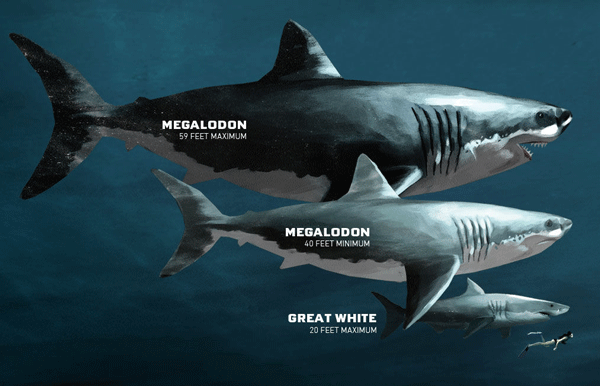
If the ocean ever had a king-sized nightmare, it was the megalodon. Scientists estimate it grew up to 60 feet long. Its bite force? Somewhere around 40,000 pounds — enough to snap a whale spine like a pretzel stick.
The teeth match the myth. They can stretch over seven inches from root to tip, broad and thick, with serrations built to crush rib bones and tear through blubber. Hold one in your palm, and you feel the weight of a time when oceans were patrolled by monsters.
For collectors, a megalodon tooth isn’t just a fossil — it’s a conversation killer. People will stop mid-sentence when they see it on your shelf. It’s a statement piece, the kind of thing you don’t have to explain because its size speaks for itself.
But the real magic? No two are the same. Fossilization leaves patterns, colors, and mineral traces unique to each specimen. Some are deep black, others warm brown or even marbled with lighter tones. The hunt for that “perfect” tooth becomes addictive.
And because the megalodon is long gone, there’s a finite number of teeth in the world. Each one that ends up in a private collection makes the rest a little rarer. That scarcity? It’s a collector’s best friend.
The Great White Tooth — The Modern-Day Legend
Then there’s the great white. Smaller than the megalodon by a country mile, yes, but don’t let that fool you. These teeth are the work of a master predator that’s still out there, still feared, still apex.
Great white teeth rarely top three inches, but they’re perfection in miniature. Narrower than a megalodon’s, built for slicing rather than crushing, they’re all about precision. Each serration is a tiny sawblade, honed by evolution to be efficient and lethal.
Owning one is a direct connection to a living legend. This isn’t a fossilized echo from a lost age — it’s part of an ongoing story. Great whites still patrol the same waters where some of their fossilized teeth wash ashore, bridging millions of years of shark history.
From a display perspective, they have their elegance. You can frame them, arrange them in sets, or mount a single perfect tooth under glass. They don’t demand the same real estate as a megalodon tooth, but they pull people in with sharp, clean lines and undeniable presence.
The Real Question — Size or Story?
So, megalodon tooth vs great white. Do you go big and prehistoric, or modern and razor-sharp?
If you want a fossil that stops people in their tracks the moment they enter the room, the megalodon wins. It’s ancient ocean drama, locked in stone. But if you’re drawn to the living pulse of the sea and the continuity of a predator that has outlasted entire species, the great white speaks louder.
One isn’t “better” than the other — they’re just different answers to the same question: What kind of collector are you?
Thinking Like an Investor (Without Killing the Fun)
Let’s talk money — not in a dry appraisal sense, but in the “this piece could outlive me and still be worth more” sense.
Megalodon teeth, because they’re finite, generally see steady appreciation over time. Large, flawless specimens can command jaw-dropping prices and are often snapped up by serious collectors before they ever hit public sale.
Great white teeth, being more plentiful, can be easier to acquire. That makes them a smart starting point for new collectors. While they might not appreciate them as quickly as their prehistoric cousins, rare fossilized great white teeth — especially those in excellent condition — can still become valuable centerpieces.
If you’re strategic, you don’t have to choose forever. Start with the one that excites you most, then build toward the other. Collections evolve, just like the creatures they feature.
The Emotional Factor — Follow the Rush
Logic is important. But collecting isn’t about logic alone. If you’re staring at a megalodon tooth and your pulse jumps a little? That’s your answer. The same if you can’t stop picturing a great white shark's tooth in your display case.
This is a personal decision. You’re not buying for “people,” you’re buying for you. And the fossil you choose should make you want to tell its story over and over.
Where We Come In
We’ve spent years tracking down both megalodon and great white teeth worth owning. Not the chipped, questionably sourced specimens you sometimes see floating around online — but the kind you put under lighting and people say, “Wow.”
When we add a tooth to our selection, it’s because it meets the standards we’d want in our own collections: authenticity, preservation, and beauty. Whether it’s a megalodon tooth with dramatic serrations or a great white tooth with perfect symmetry, we make sure you get more than a fossil. You get a piece of the ocean’s history that feels alive in your hands.
Making the Call
If you’ve read this far, you know there’s no wrong choice — only the choice that fits your story right now. The megalodon tooth will give you a sense of the weight of prehistory. The great white tooth will give you the sharp edge of survival in the present day.
Both will connect you to the ocean in ways few objects can. Both will make your collection stronger. And both will turn casual glances into long, fascinated stares.
So, which side are you on in the megalodon tooth vs great white debate? Whichever you choose, make it one you’ll love seeing every day. After all, you’re not just buying a tooth — you’re taking home a chapter of Earth’s wildest history.






