

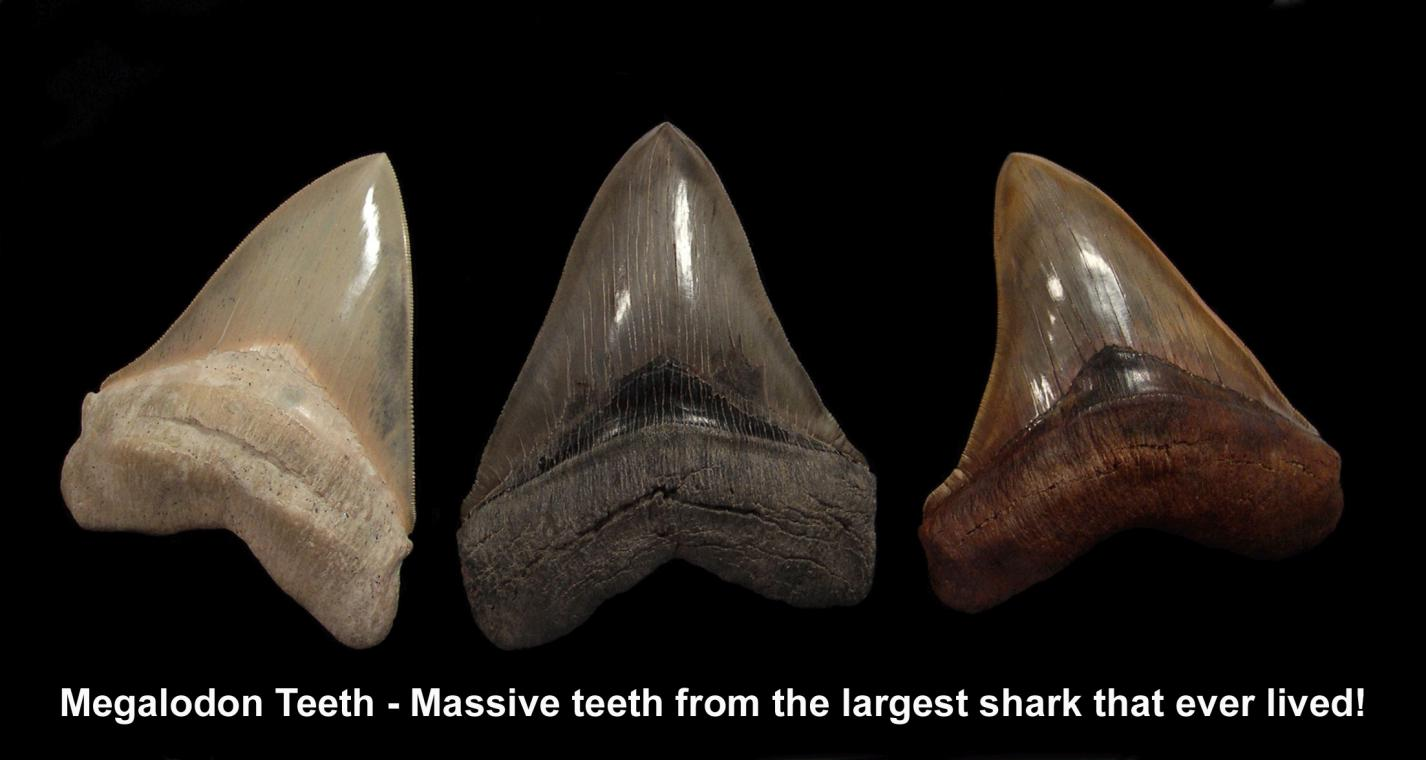
Imagine finding something in your hand that once sat in the mouth of a predator big enough to swallow a killer whale whole. Not a model. Not a novelty trinket. The real deal. For fossil lovers, that moment comes with an electric thrill—and a lot of questions. One of the most common? Figuring out the megalodon tooth’s worth in front of you.
The answer is never as simple as “big tooth, big price.” There’s an entire world of detail hiding in those serrated edges, from the science of how it formed to the market forces that decide whether it’s a nice keepsake or the showpiece that makes other collectors green with envy.
Meeting the Giant Behind the Fossil
The megalodon wasn’t just another big shark—it was the undisputed ruler of the oceans millions of years ago. At an estimated 50 to 60 feet long, it was as close to an apex predator as nature gets. Their skeletons, made mostly of cartilage, have long since vanished. What remains are their teeth—fossils that feel like tiny time machines.
Each one carries clues: what the shark ate, how it hunted, and even what the seas were like in its era. For scientists, these teeth are pieces of a puzzle. For collectors, they’re trophies with a direct link to the most fearsome jaws in history.
Size and Condition: The Twin Pillars of Value
It’s easy to see why people go wide-eyed when they spot a six-inch tooth on a display table. In the collecting world, size matters—but only when paired with great condition. A seven-inch specimen with flawless enamel and crisp serrations is the stuff of legends. On the flip side, a large tooth that’s chipped or missing half its root can fetch far less than a smaller, perfectly preserved piece.
Collectors prize teeth that are symmetrical, sharp-edged, and have intact roots. In other words, it’s not just about how much fossil you’ve got—it’s about how much of it survived the last few million years.
The Role of Location
Not all hunting grounds are equal. South Carolina’s rivers are famous for producing rich black and earthy-toned teeth, while Florida’s sandy beds sometimes yield golden or cream-colored beauties. The location doesn’t just affect the tooth’s look; it shapes its overall preservation.
River finds often have sharper serrations, preserved by sediment. Land finds can show dramatic mineral staining, which many collectors love. Each carries its own appeal, but generally, teeth with minimal wear and good symmetry hold the upper hand in the market.
Color and Character
Some teeth are as striking as gemstones. Fossilization can create hues ranging from deep charcoal to rusty red, and even bluish tints if the right minerals are present. Collectors with an eye for display often seek out these unusual colorations. The rarest combinations—large, intact teeth with unusual color—can become the stars of a collection.
Why Authenticity Is Everything
A thriving market always attracts its share of problems, and megalodon teeth are no exception. Some are heavily polished until they lose their natural texture. Others are repaired or even artificially “enhanced.”
That’s why buying from trusted sources matters. Reputable sellers will disclose any restorations up front and, if feasible, provide provenance. This guarantee could make the difference between acquiring an expensive oddity or a fossil with true scientific and collector value.
How Collectors Calculate Value
Ask any seasoned collector about megalodon tooth worth, and they’ll point to a few non-negotiables:
● Size – Large specimens, especially over six inches, draw premium attention.
● Condition – Intact enamel, sharp serrations, and a solid root are top priorities.
● Aesthetics – Unique color or an especially symmetrical shape can push a tooth higher on a collector’s wish list.
● Provenance – Knowing where it came from adds weight to the story—and the price.
● Market Trends – Interest spikes after documentaries, fossil shows, or new scientific discoveries.
Smaller teeth with wear might be affordable for new collectors, while rare, pristine giants can command thousands. The gulf in pricing reflects not just size but the combined appeal of all these factors.
More Than an Investment
Yes, some people buy with the hope that their fossil will grow in value. And it’s true—high-quality teeth tend to hold or even increase in price as supply tightens. But there’s also something deeply personal about the hobby.
Holding one of these fossils connects you to a predator that swam the same planet but lived in a completely different world. That’s a link no bank statement can measure.
The Right Way to Buy
If you’re ready to add one to your collection, start by deciding what matters most to you: display beauty, scientific value, or investment potential. Then, stick with sellers who value authenticity over flashy salesmanship.
We’ve built our approach around that principle—curating teeth that have been chosen for their quality, their story, and their place in prehistory. When you know your tooth is the real thing, the only surprise is the grin it puts on your face.
Caring for Your Fossil
A tooth that’s lasted millions of years can still be damaged in careless hands. Keep it out of direct sunlight to avoid fading. Use a stable display case or stand to prevent falls. Clean gently with a soft brush—no harsh chemicals, no unnecessary polishing. Remember, what makes it valuable is its authenticity, not a showroom shine.
The Chase Is Part of the Fun
Some collectors get hooked not just on owning a tooth, but on finding one. Whether you’re diving in rivers, browsing fossil shows, or watching online auctions, there’s a thrill in spotting that perfect piece. It’s the moment when history, luck, and passion all line up.
Why Demand Isn’t Slowing Down
Megalodon teeth keep finding new audiences. Documentaries, social media, and museum exhibits spark fresh fascination. As fossil sites face tighter restrictions, the market for high-quality, legally obtained specimens becomes stronger.
Passion Meets Value
A tooth with a small flaw might not bring top market value, but it can still be priceless to the person who owns it. The best collections aren’t built just for resale—they’re built for love of the history they hold.
Looking Ahead
The future of collecting will keep shifting. Trends may favor certain colors, origins, or sizes, but the fundamentals—authenticity, condition, and rarity—will always matter. Staying connected to other collectors and sellers is the best way to spot what’s next.
Final Word
When people discuss the worth of a megalodon tooth, they’re really talking about more than just money. They’re talking about the blend of science, rarity, beauty, and pure fascination that makes these fossils such irresistible treasures. Whether you want one for your study, your investment portfolio, or your heart, the right tooth will be a piece of history you can hold—one that still carries the shadow of the ocean’s greatest predator.






