

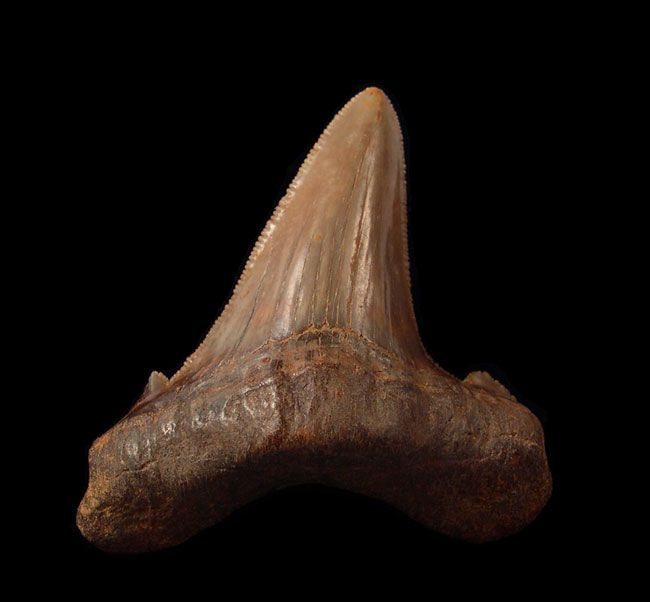
Few fossils inspire as much wonder and excitement as the massive teeth of the prehistoric Megalodon shark, an apex predator that ruled the ancient oceans millions of years ago. Among the many fossilized shark teeth discovered worldwide, the Megalodon teeth unearthed from Peru stand out for their exceptional beauty, rarity, and remarkable preservation. These fossils are not just scientific artifacts but breathtaking natural artworks, treasured by collectors, paleontologists, and enthusiasts alike.
Buried deep within Peru’s arid desert regions lie fossil beds that have preserved these majestic teeth for millions of years. What makes Peruvian Megalodon teeth so special is their vivid coloration, near-perfect condition, and the fascinating story they tell about prehistoric marine life.
This blog explores the unique geological settings that gave rise to these Peru Megalodon tooth, the distinct characteristics that make them so desirable, and why it holds a coveted place in the world of fossil collecting.
Peru’s Geological Gift: The Perfect Conditions for Fossil Preservation
The fossilized shark teeth found in southern Peru owe their existence and outstanding quality to the unique geological formations of the region. Two formations stand out for their richness and fossil diversity:
The Pliocene Pisco Formation (around 3 million years old) is located near Sacaco.
The Miocene Caballos Formation (approximately 20 million years old) is near the Rio Ica region.
These formations were once seabeds rich in marine life, and over millions of years, sedimentation covered the remains of ancient sharks, allowing for their fossilization. The Pisco and Caballos Formations have produced some of the world’s finest fossil shark teeth, preserving details such as serrations, enamel shine, and shape with astonishing clarity.
Adding to their preservation is the arid desert climate of southern Peru. Unlike more humid or temperate areas, where fossils can be damaged by weathering and erosion, the dry air helps protect these delicate relics from decay, keeping them intact for collectors to discover.
The Megalodon: The Ocean’s Ultimate Predator
The Megalodon (Otodus megalodon) was an enormous prehistoric shark, estimated to have grown up to 60 feet in length. It possessed powerful jaws filled with massive, razor-sharp teeth designed to crush prey effortlessly. Because shark skeletons are made mostly of cartilage, teeth are often the only fossils left behind, and Megalodon teeth are especially prized.
Peruvian Megalodon teeth are considered some of the finest examples worldwide for several reasons:
Vivid Coloration: Unlike many fossil teeth that turn dull or pale over time, Peruvian teeth often retain deep blacks, dark browns, and even subtle blues or purples. These colors arise from mineralization processes unique to the region.
Exceptional Condition: The teeth frequently preserve their original serrations and enamel shine, features often eroded or broken in other fossils.
Impressive Size and Provenance: Genuine Peruvian Megalodon teeth tend to be large and robust, with well-documented origins that provide collectors with confidence in their authenticity.
The Science Behind Their Stunning Beauty
The captivating appearance of Peruvian shark teeth is no accident. It results from a combination of geological and environmental factors unique to the region:
Mineral-Rich Sediments: During fossilization, minerals such as iron, manganese, and phosphate permeate the teeth, replacing organic materials and lending rich, long-lasting colors. This mineralization also strengthens the fossils, making them more durable.
Dry Desert Climate: The consistently dry conditions in southern Peru protect the teeth from moisture damage and chemical weathering, preserving their original shape and color.
Favorable Fossilization Timeline: The age of these fossils, spanning the Miocene to Pliocene epochs, is ideal for achieving a balance between detail retention and mineral replacement. Teeth are old enough to be completely fossilized but young enough to avoid excessive brittleness or discoloration.
Rarity and Value: What Makes Peruvian Megalodon Teeth Coveted?
While Megalodon teeth are found in several locations worldwide, Peruvian specimens are prized for their superior qualities and scarcity:
Restricted Fossil Deposits: The richest fossil-bearing formations are geographically limited and difficult to access, naturally limiting the supply of these extraordinary teeth.
Global Demand: Collectors worldwide recognize the superior aesthetics and exceptional condition of Peruvian teeth, driving strong demand that often outpaces supply.
Authenticity Concerns: Due to their high value, some fossil teeth sold as “Peruvian” may be repaired, enhanced, or even forged. This makes verified, guaranteed authentic specimens especially valuable.
Because of these factors, collectors are urged to buy only from reputable dealers who can provide proof of provenance and guarantee fossil authenticity.
More Than Megalodon: Other Peruvian Fossil Sharks
Peruvian fossil sites do not only yield Megalodon teeth. Other species add diversity and interest to collections:
Auriculatus Teeth: Belonging to Auriculatus, these teeth are smaller but beautifully serrated and display remarkable preservation and coloration.
Chubutensis Teeth: These represent another extinct species common to South America, prized for their distinctive forms and fine details.
Additional Marine Fossils: The variety of sharks found in these formations illustrates the richness of prehistoric marine ecosystems off ancient Peru’s coast.
Together, these fossils enrich the paleontological record and provide a more complete understanding of ancient ocean life.
How to Collect and Care for Peruvian Megalodon Teeth
Owning authentic Peruv Megalodon tooth is a privilege that requires thoughtful stewardship:
Purchase from Trusted Sources: Always seek dealers who offer guarantees of authenticity and detailed locality information to avoid acquiring repaired or fake fossils.
Handle with Care: Fossil teeth, though mineralized, can still chip or crack if mishandled.
Display Smartly: Keep teeth out of direct sunlight and avoid exposure to extreme humidity changes to preserve coloration and condition.
Learn and Share: Understanding the geological and biological context of your fossils deepens your appreciation and helps preserve their story.
Why These Fossils Are More Than Just Collectibles
Peruvian Megalodon teeth are much more than striking objects; they are windows into a lost world, physical links to creatures that dominated the oceans millions of years ago. Each tooth carries a story of survival, predation, and extinction, a story etched in time with breathtaking detail.
For scientists, they provide clues to ancient ocean conditions and the evolution of sharks. For collectors, they are trophies symbolizing the awe-inspiring power of nature’s prehistoric giants. For anyone fortunate enough to hold one, they represent a tangible connection to Earth’s deep past.
Final Thoughts: Peru’s Fossil Shark Teeth Are True Treasures
The deserts of southern Peru hide some of the world’s most remarkable fossil shark teeth, prized for their beauty, rarity, and excellent preservation. From the gigantic Megalodon to the elegant Auriculatus and Chubutensis, these fossils represent an extraordinary chapter in natural history.
If you seek to own an authentic piece of this prehistoric legacy, focus on fossils with verified authenticity, well-documented origins, and superior condition. These Peru Megalodon tooth are more than fossils, they are breathtaking natural masterpieces, rare treasures that bring the ancient seas to life and captivate the imagination for generations to come.
Explore our carefully curated selection of authentic Peruvian Megalodon and other fossil shark teeth today. Each specimen comes with a guaranteed certificate of authenticity and detailed locality information to ensure you’re investing in a true treasure from the ancient seas.
Don’t miss your chance to add these stunning, rare fossils to your collection, discover the power and beauty of Peru’s prehistoric oceans now.






