If you’ve ever stood face to face with a five-inch fossilized shark tooth and felt your jaw drop, you’re not alone. There’s something about a Megalodon tooth that sends our imaginations reeling. It’s not just a relic. It’s a time capsule. And when that relic happens to hail from an exotic underwater deposit near New Caledonia, well—let’s just say you won’t be the first collector to develop a slight obsession.
We’re talking about something very specific here. A tooth that doesn’t just whisper ancient history—it roars it, with serrated edges and a tan enamel grin straight from the Middle Miocene. If you’re the kind of fossil hunter who lives for the chase, buckle up. The story of the Carcharocles megalodon - New Caledonia specimen is one worth sinking your teeth into.
Not Your Average Shark Tooth
Let’s get something straight. Not all Megalodon teeth are created equal. Sure, they’re all remnants of the apex predator that terrorized ancient oceans, but location, preservation, and color make all the difference. Some teeth are chipped, some are worn to the nub, and some look like they just came off the set of Jurassic Shark. Then there’s this one.
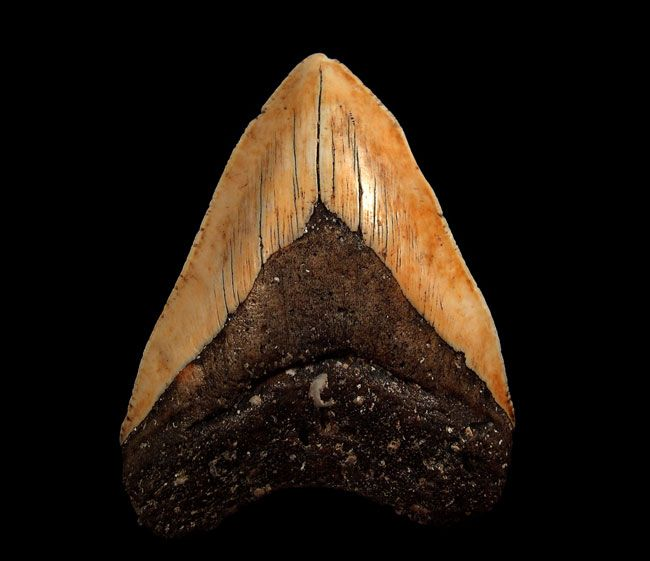
Pulled from the deep waters around New Caledonia—a tiny but geologically rich spot nestled between Fiji and Australia—this specimen is a showstopper. Picture a light tan blade nearly five inches long with soft enamel wear that tells tales of prehistoric battles and ocean floor burial. It’s not overly polished. It’s not overly repaired. It’s simply… real. And in the collecting world, real is everything.
The Miocene Meg That Stole the Show
Rewind the clock 15 million years and the Earth looked a little different. Welcome to the Miocene epoch, where giant marine mammals swam freely, and the Megalodon ruled with a jaw full of unmerciful precision. The Carcharocles megalodon - New Caledonia tooth dates straight back to this era, delivering a kind of museum-quality punch that stops collectors mid-scroll.
Why does the Miocene matter? Well, for starters, this was Megalodon’s heyday. These weren’t the aging giants at the end of their reign—these were peak-predator monsters cutting through ancient oceans like torpedoes. A tooth from this period doesn’t just represent the species. It represents the prime.
And that makes a difference in value, in storytelling, and bragging rights.
Rarity with a Capital R
Most fossil collectors know that geography changes the game. The more remote the deposit, the rarer the find—and the deeper the water, the more dramatic the origin story. This tooth? It came from dredged sediment more than 1,000 feet below the surface off the coast of New Caledonia. That’s not just deep. That’s expedition-level deep.
Even more mind-boggling? The dredging operation that once uncovered these deep-sea treasures has long stopped. The site, estimated to cover only about five square miles, no longer produces new specimens. That means this particular tooth isn’t just rare because it’s old; it’s also rare because it’s unique. It’s rare because it’s one of the last of its kind to ever surface.
So when we say collectors can’t unsee this tooth, we mean it. Once you spot the combination of color, condition, and origin, it latches onto your brain like a good ghost story. Only this one’s real. And possibly sitting in someone else’s display case already.
Collector’s Kryptonite: Color and Condition
Collectors aren’t just hunting fossils—they’re hunting stories, character, and aesthetic magic. And let’s be real, the Carcharocles megalodon - New Caledonia tooth has all three.
First, there’s the color. A soft, almost desert-tan hue that pops under display lighting. It’s not the usual dark grey or black we see in river finds or phosphate deposits. This is something softer, something richer. Almost like the tooth aged in sunlight, despite spending millennia undersea.
Then there’s the enamel—worn but intact, aged like driftwood, with serrations that have been softened by time, not broken by mishandling. That difference is huge. Many teeth on the market today show aggressive polishing or restoration work that screams artificial. This one? It whispers authenticity in every imperfect groove.
And that root? It’s complete. Not cracked. Not filled. Just… there. Holding the story together.
The Megalodon Mythos Still Grips Us
Let’s pause here. Because before we get too deep into tooth minutiae, we should talk about the real reason collectors go wild for Megalodon teeth.
It’s not just about fossil value or scientific relevance. It’s about power. And mystery.
The Megalodon isn’t just another extinct species. It’s the stuff of nightmares, the prehistoric poster child for “you should probably not go into the water.” At nearly 60 feet long with a bite force strong enough to crush a car, this shark’s reputation lives on in pop culture, documentaries, and countless deep-sea horror theories. (Don’t lie—you’ve watched at least one Megalodon Lives doc late at night.)
Owning a Megalodon tooth isn’t just a collector’s milestone. It’s a ticket to that legacy. It’s a moment where fiction meets fossil.
Why New Caledonia Teeth Stand Apart
Let’s break it down for the real fossil enthusiasts in the room.
New Caledonia teeth, especially those from Carcharocles megalodon - New Caledonia, offer a unique trifecta:
1. Exotic locality — Very few Megalodon teeth come from this area. When they do, they’re treated like gold.
2. Unrepeatable origin — The dredging that uncovered these is no longer active. No fresh supply means instant collector buzz.
3. Natural elegance — The tone, wear, and patina on these teeth make them perfect for display without the need for “enhancement.”
Add in the fact that this specific tooth is part of an old collection—meaning it was likely pulled years ago before commercial collecting changed the landscape—and what you’ve got is a fossil that can’t be recreated, duplicated, or overlooked.
From Fossil Dream to Display Fantasy
If you’re the kind of collector who displays fossils like fine art (and let’s be honest, you should), then this specimen is your pièce de résistance. Whether you’re working with a glass cabinet setup or a full fossil wall, a tooth like this doesn’t blend in. It becomes the anchor.
And while we all love a good under-$50 fossil to round out a collection, sometimes you need that one showstopper. The “yeah, I have that tooth” kind of moment.
This is it.
We make sure every fossil listed is authenticated, free from fake repairs or shady sourcing because your collection deserves the real thing—not a lab recreation.
We Don’t Just Sell Fossils. We Curate Prehistoric Legends.
This isn’t about inventory. It’s about legacy. We’ve spent years sourcing the best fossils from around the world, from the Moroccan deserts to the rivers of the Carolinas—and yes, even the unreachable ocean beds of New Caledonia.
Our catalog includes everything from under-$50 sharks to museum-quality dinosaur bones. But we’re especially proud of specimens like the Carcharocles megalodon - New Caledonia tooth. It represents the intersection of science, story, and rarity. We don’t stumble upon these. We chase them. And we offer them to collectors who feel the same.
You don’t need to be a paleontologist to appreciate that. You just need good taste and a love for ancient drama.
Where the Past Becomes Personal
What makes a fossil matter? It’s not just age. It’s a connection.
That moment when you hold a Megalodon tooth in your hand and realize you’re gripping something that once helped the most powerful shark in Earth’s history take down a whale? That’s not just cool. That’s transformative.
And when that tooth comes from a location as remote and mysterious as New Caledonia, you don’t just own a fossil—you own a story. One that started millions of years ago and somehow made its way to your shelf.
Closing Reflections: A Fossil Worth Remembering
There’s a reason collectors talk about the Carcharocles megalodon - New Caledonia tooth like it’s a celebrity cameo in the fossil world. It checks all the boxes—rarity, beauty, provenance, and story—and then adds a few bonus points for style. This isn’t a piece that waits around. These teeth don’t flood the market. And the moment they appear? They vanish just as quickly. So if you see one, and your fossil-loving gut starts whispering “don’t miss this,” trust it. That voice knows when you’ve stumbled on a once-in-a-lifetime find.
And we’re here to help make sure you never miss it.