

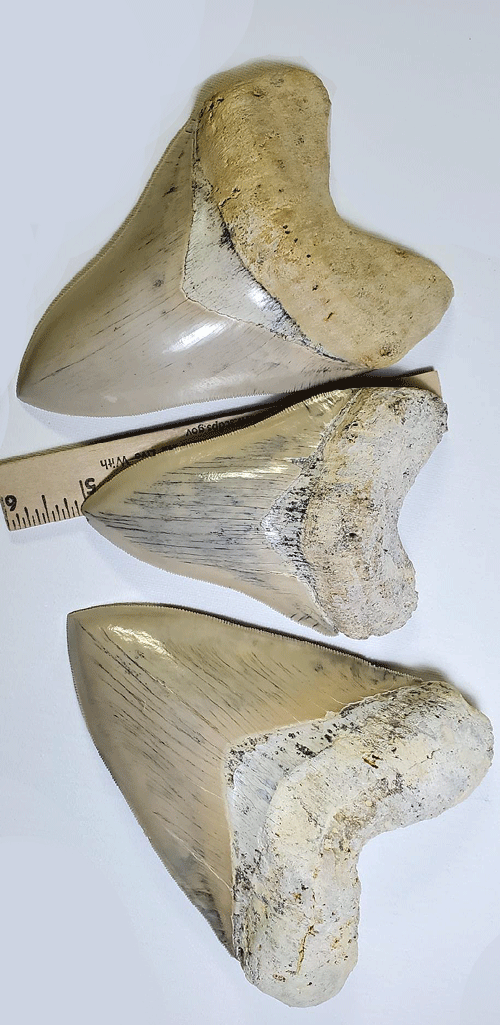
Owning a genuine fossil from the ancient Megalodon allows you to hold a piece of history that has survived for millions of years. Collectors seek not only size and shape but also the deep connection such a fossil offers. However, the growth of online sales has attracted sellers who push convincing replicas. You must learn the key details that separate authentic fossils from copies. Understanding how to identify a real megalodon tooth fossil helps you protect your investment. It ensures your collection contains specimens that carry the actual weight of Earth’s prehistoric past.
Let’s explore more detailed information:
Identify Natural Imperfections in Shape and Serrations
Authentic fossils tell their story through natural imperfections. You can see slight irregularities in serrations, edges, and shape because no fossil forms are in perfect symmetry. Real Megalodon teeth show serrations that vary in sharpness and spacing. These minor differences result from both the shark’s use of the tooth and the long fossilization process. Replicas often show serrations that look machine-made and identical. By training your eyes to detect these natural inconsistencies, you build the confidence to separate authentic finds from artificial creations sold to deceive collectors.
Recognize Authentic Color Variations
Color offers another reliable sign of authenticity. Over millions of years, minerals from surrounding sediments seep into the tooth, creating rich and varied shades. Authentic fossils may show a combination of charcoal gray, deep brown, or even blue tones. This variation occurs within the tooth rather than being applied to the surface. In contrast, fake fossils often have a flat and overly consistent color. You can spot a replica by looking for natural blending and depth in the shades. Genuine fossils display subtle transitions that fakes cannot mimic convincingly.
Check for Accurate Weight and Density
Weight can quickly reveal the truth about a fossil. Genuine Megalodon teeth feel heavy because mineral replacement during fossilization increases density. This heaviness gives a solid and satisfying feel in the hand. Replicas made from resin or other modern materials feel noticeably lighter. If you have the chance to handle the tooth, pay attention to whether its weight matches its size. Even if you buy online, request accurate weight details. A tooth that looks large but feels too light often belongs to the world of reproductions, not actual fossils.
Study the Enamel for Signs of Age
Enamel texture and gloss provide additional clues. Authentic enamel often keeps a natural sheen but includes tiny pits, mineral marks, and areas of gentle wear. These surface details result from both the original life of the tooth and the process of fossilization. Replicas typically exhibit a perfect and even shine, free from natural imperfections. Scrutinize close-up photos to see whether the enamel reveals depth and variation. Real fossils carry visible signs of age and mineralization that no artificial finish can recreate with accuracy.
Always Ask for Provenance Details
Provenance should remain at the center of any purchase decision. Ask sellers for detailed information about where the fossil was discovered and the geological layer from which it originated. A reputable seller shares discovery details and answers questions clearly and concisely. This information not only supports authenticity but also adds historical and scientific value to your collection. When a seller refuses to provide such details or offers vague answers, take it as a clear warning to walk away. Provenance protects you from costly mistakes and strengthens the value of your fossil.
Use Close-Up Images for Careful Comparison
Close-up images act as your best tool when buying online. Request high-resolution photographs from multiple angles to study serrations, enamel texture, and color blending. Zoom in to inspect these details and compare them to known authentic fossils. Keep reference images of verified specimens for comparison. This habit sharpens your ability to notice differences and recognize signs of artificial shaping or painting. Consistent review of high-quality photographs improves your ability to spot genuine pieces. It reduces your likelihood of falling victim to skilled counterfeit work.
Observe Shape for Natural Asymmetry
Shape symmetry often reveals the difference between real and fake. While some authentic teeth appear well-shaped, most show slight differences in curvature, tip alignment, or root size. These subtle variations result from natural wear and erosion caused by geological forces over time. A genuine megalodon tooth fossil carries these natural inconsistencies, which add to its authenticity and value. Replicas often display perfect symmetry because they are molded from a single model. Look closely at the root and crown to see if both sides mirror each other perfectly. A completely symmetrical tooth often indicates reproduction rather than genuine fossilization, a result of nature’s unpredictable forces.
Compare Pricing Against Market Value
Price can also guide your decision. Authentic fossils, especially those in good condition, command prices that reflect their rarity and demand. If a listing offers a large or well-preserved tooth for an unusually low price, treat it with skepticism. While bargains can exist, they are rare in the world of actual fossils. Compare prices across multiple reputable sources to understand the market average. A deal that seems too good to be true usually points to a replica or a piece with undisclosed repairs that compromise authenticity and value.
Communicate Directly With Sellers
Direct communication with sellers strengthens your buying position. Reach out with clear questions about weight, size, discovery location, and detailed photographs. A professional seller responds promptly with helpful information. Sellers who avoid answering or provide incomplete replies often signal risk. Building trust through conversation not only provides you with facts about the fossil but also allows you to assess the seller’s transparency and knowledge. Successful fossil purchases begin with clear communication and a willingness to verify every detail before making a payment.
Apply All Verification Steps Together
You can protect yourself by combining these methods into one approach. Examine serrations for natural variation. Check color for depth and blending. Confirm weight to match size expectations. Inspect enamel for age marks and natural gloss. Demand provenance for added assurance. Study photographs carefully and compare them to authentic examples. Watch for unnatural symmetry. Evaluate pricing realistically. Communicate openly with sellers. Each step adds a layer of protection, helping to ensure that your fossil purchase reflects genuine prehistoric history.
Final Thoughts
When you buy a megalodon tooth fossil, you deserve confidence in its authenticity. By recognizing the signs of natural wear, actual mineral coloration, accurate weight, real enamel texture, and verifiable provenance, you strengthen your ability to avoid fakes. Every genuine fossil connects you to the incredible history of a giant predator that once dominated the seas. Make your purchase with informed judgment, protect your investment, and build a collection that holds scientific and historical significance. Knowledge and careful inspection ensure that your collection remains authentic and your passion for fossils remains alive.
Footnote
Every authentic fossil preserves a link to history. By using knowledge and observation, you choose wisely, avoid imitations, and keep your collection rooted in the truth of Earth’s ancient past.






