

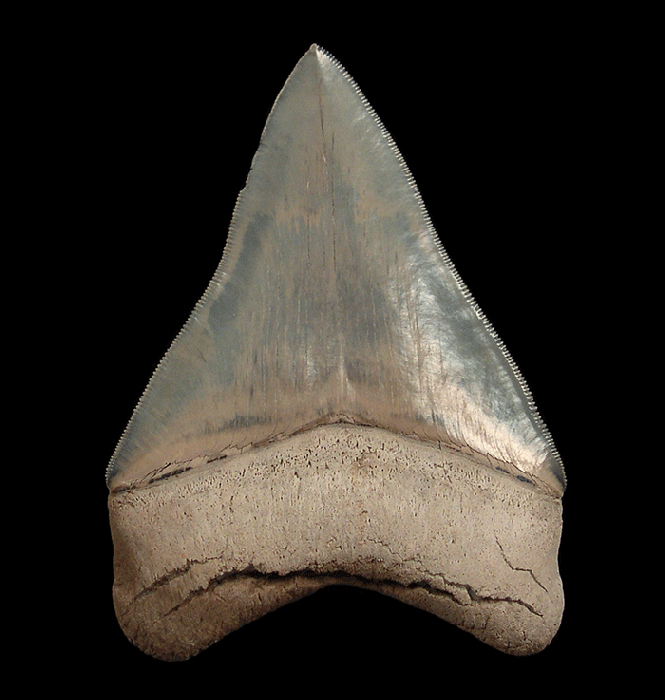
Collectors act quickly when they encounter a fossil that carries both beauty and historical significance. The Megalodon teeth from Lee Creek belong to that rare category. When you hold an Otodus megalodon – Lee Creek specimen, you feel the presence of a predator that ruled the ancient oceans. This tooth has more than enamel and roots. It holds the story of an apex hunter that swam through vast seas millions of years ago. Opportunities to own such a fossil are rare and come along only once. Waiting too long can close the door to something extraordinary.
Let’s explore more detailed information:
A Journey From Prehistoric Seas
Millions of years ago, massive sharks cruised the oceans, hunting whales and other large marine animals. These predators left behind teeth of remarkable size and strength. The Lee Creek site in North Carolina produced fossils of unmatched preservation and color. Sediments in the Pungo River Formation locked each specimen in place, shielding it from erosion. Over time, minerals replaced organic material, creating the solid, beautifully colored fossils we find today. Every tooth tells a story of survival, dominance, and the raw power of prehistoric life that continues to fascinate us.
A Site That Closed Forever
Collectors remember the day Lee Creek closed to the public in 2008. Before that, fossil hunters could search the mine and discover remarkable specimens. The closure instantly froze the supply of these teeth. Every specimen available today originated from earlier hunts, often dating back decades. This means no one can replace what already exists in private collections. With each sale, the number of teeth in circulation grows smaller. This reality fuels demand and drives collectors to secure these treasures while they still appear on the market.
Features That Make Them Special
Lee Creek Megalodon teeth exhibit qualities that distinguish them from other finds. Their enamel often shows striking blue, gray, or tan hues that contrast with deep brown roots. Serrations remain sharp and well-defined, revealing the precision of nature’s design. Complete roots add both visual appeal and structural integrity. Some teeth carry hydration lines, adding to their unique character. These features result from the rare combination of geological conditions in the Pungo River Formation. Collectors value these traits because they represent both beauty and authenticity, making each specimen unique
Rarity That Creates Urgency
The rarity of Lee Creek teeth is not a result of marketing claims. It comes from the undeniable fact that no one can collect new specimens. Each piece available today exists because someone found it years ago and preserved it. As more collectors join the search, competition for the best examples increases. This creates an apparent urgency. When the opportunity to acquire an exceptional specimen presents itself, hesitation can mean losing it to another collector who understands the importance of taking immediate action.
Confidence Through Provenance
Collectors seek certainty when they invest in rare fossils. Lee Creek Megalodon teeth originate from known sources, with detailed information about their origin and the period of discovery. This provenance is essential because it verifies authenticity and enhances the fossil’s value. We present fossils with accurate descriptions that include size, condition, and visual characteristics. We disclose any restoration work when applicable. By providing transparent and honest information, we enable buyers to make informed choices and secure fossils that meet their expectations.
Market Value and Demand
Megalodon teeth from Lee Creek hold a respected place among serious fossil collectors. Their supply cannot grow, yet interest in prehistoric marine life continues to rise. This steady demand creates intense competition for the finest examples. Collectors look for rich color contrast, sharp intact serrations, and wholly preserved roots. These qualities transform a fossil from ordinary to exceptional. Owning an Otodus megalodon – Lee Creek specimen with these traits means securing a rare piece of natural history while such chances remain within reach.
From Predator to Showcase Centerpiece
When you place a Lee Creek tooth in your collection, you create a centerpiece that draws attention to itself. Light reveals its colors and highlights its serrations. Visitors often ask about its origin and history. You can explain that this tooth once belonged to one of the largest predators to have ever lived. The connection to deep time becomes tangible. The tooth transforms from an ancient weapon to a work of natural art that sparks conversations and admiration.
How to Identify the Right Fossil?
You can identify an authentic Lee Creek Megalodon tooth by examining several key features. The enamel should show natural wear patterns consistent with age. Serrations should appear sharp and evenly spaced. The color patterns should match those known from the Pungo River Formation. The root should be complete, without signs of artificial rebuilding unless disclosed. Hydration cracks can confirm natural aging. When these details align, you can feel confident in the fossil’s authenticity and origin. That knowledge allows you to act decisively when the right specimen appears.
Final Thoughts
The chance to own a Lee Creek Megalodon tooth will not remain open forever. Each fossil represents a unique connection to the prehistoric oceans and the apex predator that once ruled them. The closure of the Lee Creek site ensures that no new specimens will be introduced to the market. Acting now means securing a piece of history before it disappears into private collections for good. By choosing an Otodus megalodon – Lee Creek tooth, you claim both a tangible relic of ancient life and a remarkable centerpiece for your collection.
Footnote
This fossil offers a once-in-a-lifetime chance to preserve a genuine piece of prehistoric history before it disappears forever.






