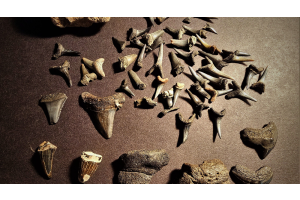
A shark tooth can stop you in your tracks. Not because it’s rare — though the best ones often are — but because it feels like a secret you weren’t supposed to find. It’s the kind of object that makes you wonder: Who did this belong to? How did it survive this long? And what kind of predator carried it? That’s the real thrill behind comparing a megalodon great and white shark tooth — you’re looking at the signature weapon of two apex hunters, each ruling the ocean in their own age.
The Megalodon: A Prehistoric Titan
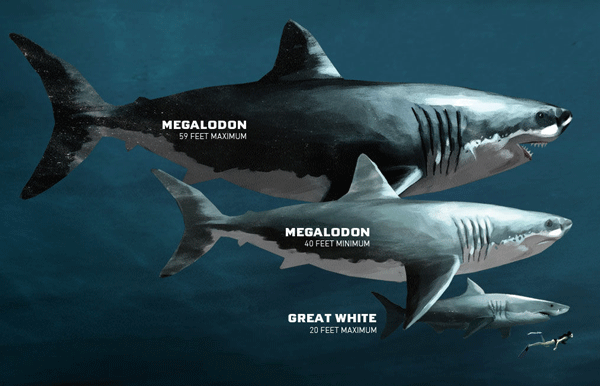
The megalodon wasn’t just the largest shark to ever live — it was one of the largest predators in Earth’s history. Estimates suggest that these giants grew to be over 50 feet long, with some reaching lengths of 60 feet. Imagine a predator longer than a city bus, with a mouth big enough to swallow two adults whole.
Its teeth were massive, serrated triangles built for crushing bone and tearing flesh. Many specimens measure over seven inches from tip to root. The serrations acted like a built-in saw, letting the megalodon shred through whale blubber and cartilage in seconds. When you hold one of these fossils, you’re holding a piece of ancient engineering that dominated oceans for millions of years.
The Great White: The Living Apex
Then there’s the great white shark — smaller, yes, but no less formidable. Averaging 15 to 20 feet in length, the great white has perfected the art of the ambush. Its teeth are narrower and more finely serrated than the megalodon’s, perfect for gripping slippery prey like seals and tearing into them with precision.
A great white’s hunting style is about stealth and speed. It approaches from below or behind, using a burst of power to close the gap and deliver a clean, fatal bite. Where the megalodon relied on raw force, the great white thrives on tactical precision.
Form Reflects Function
The differences between these teeth tell the story of two hunting strategies. The megalodon’s teeth are thick, heavy, and built for enduring impact with large, bony prey. The great white’s teeth are lighter and recurved, designed for slicing rather than crushing.
Run your fingers along the fossilized edge of a megalodon tooth, and you’ll feel serrations worn smooth over millions of years. Pick up a great white tooth and you’ll notice the sleek, knife-like sharpness. Both are deadly in their own right — just adapted for very different eras.
Fossil Hunting Through Time
Finding a megalodon great or white shark tooth today is more than luck — it’s persistence. Megalodon teeth are often unearthed in riverbeds, cliffs, and dredged sediment from ancient seabeds. Great white teeth, while younger, can also fossilize under the right conditions and are found in similar locations.
Historically, these teeth were often mistaken for dragon tongues or mystical stones. It wasn’t until the late 17th century that scientists correctly identified them as shark teeth, a revelation that connected human curiosity to deep marine history.
Global Hotspots for Shark Teeth
Some locations are legendary among collectors. North Carolina’s rivers yield megalodon teeth in shades of smoky gray to deep black. Florida’s Peace River is another hotspot, producing both fossilized megalodon and extinct mako teeth. For great white teeth, coastal cliffs in California and South Africa are known for exceptional finds.
Each region leaves its mark on the fossil minerals in the surrounding sediment, which can turn teeth jet black, chocolate brown, or even bluish-gray. That’s part of what makes collecting addictive: no two specimens are ever truly alike.
Myths and Misconceptions
The megalodon often gets exaggerated into near-mythical proportions. While it was enormous, no credible evidence suggests it grew over 70 feet, as some sensational stories claim. Another myth? The deep ocean is home to living megalodons. According to science, they vanished approximately 3.6 million years ago.
For great whites, one common misconception is that they grow continuously for life. While they can replace thousands of teeth over their lifespan, their overall size caps well below those of megalodon.
The Collector’s Choice
When it comes to choosing which to collect first, it often comes down to personal taste. A megalodon tooth is a showpiece — big, bold, and undeniably ancient. A great white tooth is more subtle but connects you to a living predator still patrolling today’s oceans.
Serious collectors usually end up with both. The megalodon tooth satisfies the craving for prehistoric power, while the great white tooth offers an ongoing link to ocean life as it exists now.
Value and Rarity
Megalodon teeth can fetch significant prices, especially if they’re large, intact, and have sharp serrations. Teeth over six inches are rare; over seven inches, they’re treasures. Great white teeth are generally smaller, but pristine examples with unique colors or from notable locations can also command attention.
Color, size, condition, and provenance all affect value. A tooth with visible feeding damage — marks from a hunt long past — can be especially appealing for its storytelling potential.
Displaying the Legends
A megalodon tooth naturally becomes the focal point of any collection display. Its sheer size demands it. Many collectors opt for glass cases or acrylic stands to keep the fossil protected while displaying it.
Great white teeth, being smaller, lend themselves to arrangement in series — perhaps by size, color, or location of origin. Together, the two make for an irresistible conversation starter.
Caring for Shark Teeth
Even though fossilised teeth are strong, they can still be broken. To keep them from fading or cracking, keep them out of direct sunlight and extremely hot or cold weather. Steer clear of aggressive cleaners; typically, a gentle brush and water will do the trick.
Modern great white teeth, if not fossilized, may need additional care to prevent discoloration or chipping. Storing them in padded cases can help preserve their condition.
Why We’re Invested in This Story
We’ve spent years finding, preserving, and placing these specimens in the hands of people who value both their beauty and their history. For us, the work isn’t just about fossils — it’s about connecting you to the ocean’s most remarkable hunters, past and present.
Every tooth has a story. And when you own one, you become part of that story.
Final Thoughts
Two predators. Two hunting styles. Two very different teeth — yet both unforgettable. One ruled prehistoric seas with unstoppable power; the other still rules modern waters with precision and stealth. A megalodon tooth and a white shark tooth are more than collectibles; they’re a tangible connection to the ocean’s most fascinating apex predators.
We help bring these legends into your hands, ensuring their history is preserved, their stories are told, and their presence is felt long after the ocean’s roar has faded.