

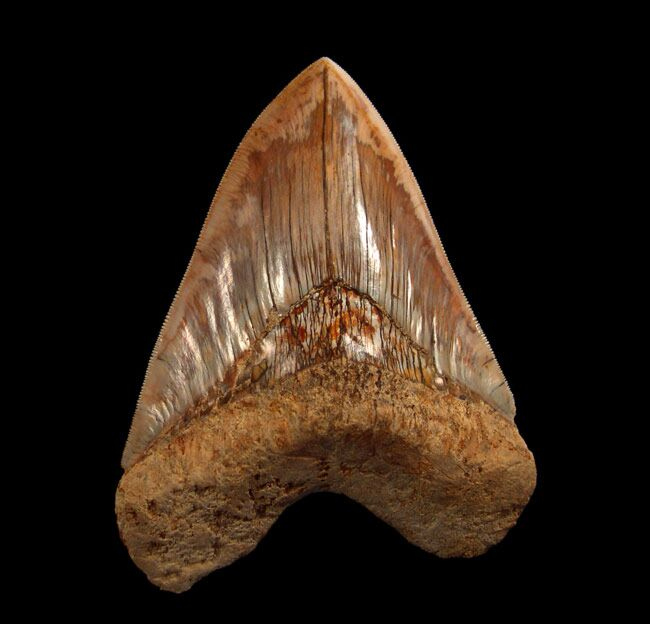
Walking along a riverbank or beach, eyes scanning the ground for unusual shapes, there’s an undeniable thrill in wondering what secrets the earth still hides. Fossils have long captured imaginations because they give us something rare: the chance to touch a fragment of life that has been gone for millions of years. Among the most breathtaking discoveries are those belonging to the largest shark ever known. For many enthusiasts, megalodon tooth fossil hunting becomes more than a hobby—it is a gateway into history and a way to connect with creatures that once ruled prehistoric seas.
That sense of connection makes every search feel like an adventure. Each river, creek, and coastal plain offers an opportunity to uncover pieces of the past that have withstood the test of time. With the right mix of patience, respect for nature, and a little luck, fossil hunting opens the door to some of the most memorable discoveries one can experience.
Ancient oceans and modern landscapes
Millions of years ago, much of the land we now know was covered by shallow seas. These warm, rich waters were home to marine life of staggering variety, including giant sharks that preyed with precision and dominance. As the oceans shifted and coastlines receded, fossils of those creatures became buried beneath layers of sand, clay, and sediment.
Today, explorers discover those same fossils in rivers, quarries, and beaches. What seems like ordinary ground once echoed with the movement of creatures larger than school buses. The thought that an ordinary backyard or a winding river might hide a story from such a distant past is what keeps fossil hunters searching.
Where the treasures are often found
Certain regions have earned a reputation for their abundance of fossilized shark teeth. The southeastern United States, particularly Florida, South Carolina, and Virginia, is renowned for its remarkable archaeological finds. Florida’s Peace River, for instance, is a favorite among enthusiasts because seasonal changes in water flow often expose fossils along its sandy banks. South Carolina’s rivers, with their rich blackwater sediments, are another popular destination, producing large and well-preserved specimens.
These areas are more than travel destinations—they are windows into the prehistoric past. The knowledge that you’re walking the same paths where massive sharks once swam adds another layer of excitement to the search.
Preparing for the hunt
Successful fossil hunting is often the result of careful preparation rather than chance alone. Many enthusiasts carry tools such as sifters, small shovels, and buckets. A sifting screen allows searchers to separate sand and pebbles, leaving behind anything larger or more solid, like a fossilized tooth. Gloves protect against sharp edges, while sturdy shoes make wading through rivers more comfortable.
For those who enjoy diving or snorkeling, shallow riverbeds can provide rewarding opportunities. The clarity of the water, combined with careful movements, often reveals glimmers of enamel buried in the silt. No matter the method, preparation ensures that the search is both safe and enjoyable.
The moment of discovery
Ask any fossil hunter about the thrill of discovery, and you’ll hear stories of excitement that never fade. At first, a tooth might appear as a dark triangle mixed among stones and shells. But as it is pulled from the water, the serrated edges and enamel sheen become unmistakable. Holding it in your hands, you realize you’re connected to a predator that lived millions of years ago.
Some teeth are massive, spanning several inches across, while others are smaller fragments. Each carries its own story—shaped by currents, buried under layers of sediment, and waiting through time until it can be found again. The variety makes every discovery unique.
Respecting nature and history
With every fossil uncovered, an unspoken responsibility arises. These are not ordinary rocks; they are pieces of Earth’s history. Ethical collectors handle their finds with care, often preserving or displaying them in ways that honor their age and significance. Some choose to donate their discoveries to schools or museums, allowing future generations to learn and be inspired.
Equally important is respecting the land and water where fossils are found. Local regulations often dictate what can be collected, and adhering to them ensures the environment is preserved for future generations. Fossil hunting thrives when it strikes a balance between adventure and responsibility.
Lessons from the teeth of giants
Beyond their striking appearance, these fossils hold scientific value. Paleontologists study wear patterns on the enamel to understand how these sharks hunted. The size of the teeth helps estimate the size of the animals themselves, offering insights into the scale of ocean ecosystems millions of years ago. Even chemical analysis of fossilized teeth can reveal information about migration patterns and the temperatures of ancient seas.
This blend of science and discovery adds depth to the hobby. Each fossil found is both a personal treasure and a small contribution to the broader story of life on Earth.
Why patience matters
Unlike modern collectibles, fossils are not easily predictable to find. Some days may pass without discovery, while others bring extraordinary luck. Patience is often the difference between disappointment and triumph. Experienced hunters know that time spent carefully observing the ground usually pays off more than rushing through a site.
That patience itself becomes part of the reward. Spending hours by a river, immersed in the sights and sounds of nature, can feel like stepping away from the demands of daily life. The search becomes a meditation, where the joy is not only in what you find but also in the calm rhythm of the hunt itself.
A shared passion across generations
Fossil hunting often turns into a tradition shared among families and friends. Parents introduce children to the excitement of searching, teaching them patience and care while creating memories together. For many, the first discovery of a fossilized tooth becomes an unforgettable moment, sparking a lifelong curiosity about history and science.
Others travel long distances to join group excursions, meeting fellow enthusiasts who share the same fascination. These communities of explorers, both online and in person, keep the excitement alive by sharing tips, photographs, and stories of incredible finds.
A hobby that connects the past and the present
Whether you’re wading into a quiet river or strolling along a sandy shoreline, fossil hunting offers a rare sense of continuity with the past. Each discovery feels like a bridge between worlds—between oceans long gone and the landscapes we know today. The activity seamlessly blends curiosity, adventure, and respect for nature into a single experience that continues to captivate people worldwide.
Conclusion
The fascination with megalodon tooth fossil hunting lies in its ability to bring the prehistoric world into the present moment. Every tooth discovered represents more than a relic—it is a story of survival, transformation, and discovery. For enthusiasts, the search becomes a means to connect with history, appreciate the natural world, and experience the thrill of discovering something scarce.
If the idea of exploring ancient riverbeds or walking coastal plains sparks your curiosity, now is the time to begin. Equip yourself with patience, respect for the environment, and a sense of wonder. You may be surprised at what lies beneath the surface, waiting to be discovered.
Start your journey today, and let every fossil you discover remind you that the past is never really gone—it simply waits for someone willing to look closely enough to find it.






