

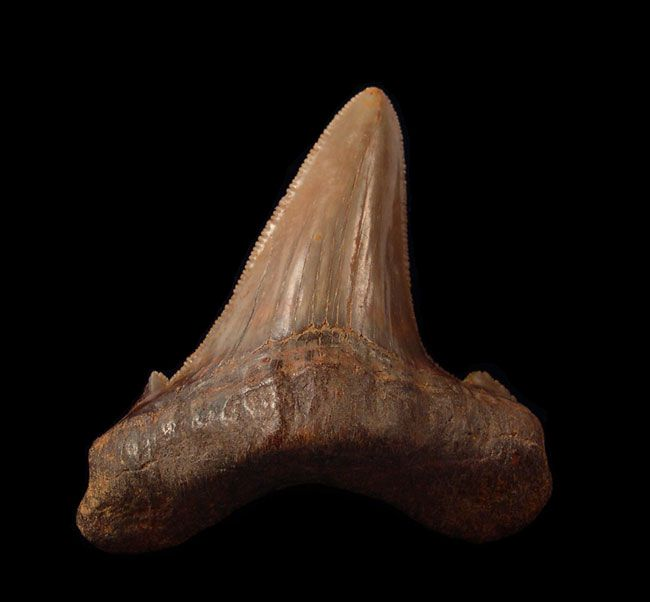
Some fossils inspire curiosity, some ignite imagination, and a select few command absolute awe. Among fossil collectors, Peruvian Megalodon teeth belong firmly to the last category. With their unrivaled preservation, striking coloration, and fascinating history, these fossils are more than just remnants of an ancient predator—they are treasures of prehistoric artistry. To own one is to hold both nature’s craftsmanship and Earth’s untold history in your hands.
In this blog, we’ll explore why Peruvian Megalodon teeth are so sought after, delve into their scientific and aesthetic appeal, and explain why they are increasingly rare in today’s fossil marketplace.
The Legendary Predator Behind the Fossil
The Megalodon (Otodus megalodon) remains one of the most iconic apex predators to ever dominate Earth’s oceans. Growing up to 60 feet in length, this prehistoric shark ruled the seas from about 23 to 3.6 million years ago. Its teeth alone, often larger than a human hand—tell a story of raw power and evolutionary brilliance.
But not all Megalodon teeth are created equal. Variations in size, enamel quality, root integrity, and coloration determine how desirable a specimen is to collectors. That’s where Peruvian Megalodon teeth distinguish themselves.
Peru’s Fossil Treasure Grounds
Peru is renowned for two exceptional fossil-bearing formations:
The Pisco Formation (Pliocene, approx. 3 million years ago) – Located near Sacaco in southern Peru, this desert expanse has yielded some of the finest fossil shark teeth in the world. Its arid environment contributed to exceptional preservation, resulting in teeth that display remarkable detail, sharp serrations, and superior enamel.
The Caballos Formation (Miocene, approximately 20 million years ago) – Located near the Rio Ica region, this formation is older, yielding a range of fossil shark teeth, including early Megalodon relatives such as Chubutensis and Auriculatus. These species showcase the evolutionary progression leading to the mighty Megalodon.
The combination of geologic age, desert climate, and mineral composition created the ideal conditions for fossil preservation, gifting Megalodon teeth that stand apart in both scientific value and visual allure.
Why Peruvian Megalodon Teeth Are So Distinctive
Unmatched Aesthetic Quality
Collectors prize Peruvian teeth for their striking colors. Shades of deep chocolate brown, soft golden hues, and even pastel grays are common. Unlike many fossil teeth that darken with time, Peruvian specimens often retain a vibrant palette, making each piece feel like a natural work of art.
Exceptional Preservation
Fossils from the Pisco and Caballos formations often exhibit sharper serrations and intact roots compared to other localities. This preservation is especially rare, given that these teeth have endured for millions of years.
Evolutionary Diversity
Peru’s fossil beds don’t just yield Megalodon teeth, they produce a remarkable variety of shark species. Collectors can find specimens from Auriculatus, Chubutensis, and other transitional species, providing a glimpse into the evolutionary pathway of giant sharks.
Rarity and Legal Restrictions
Perhaps the most significant factor driving desirability is scarcity. Fossil export from Peru has been outlawed in recent years, meaning no new material can legally leave the country. Today’s collectors must rely on specimens that were exported years ago and now circulate in private collections or specialty fossil shops. This scarcity ensures that authentic Peruvian Megalodon teeth will only appreciate in value.
The Crown Jewel for Collectors
For many fossil enthusiasts, a Peruvian Megalodon tooth is the pinnacle of their collection. Why? Because it combines everything a collector desires:
Size – Many Peruvian specimens are impressively large, rivaling or surpassing finds from other famous regions.
Condition – The preservation allows collectors to admire details rarely seen elsewhere.
Beauty – The coloration sets them apart from standard fossil teeth, ensuring they stand out in display cases.
Provenance – With ties to famous formations like Pisco and Caballos, these fossils carry scientific weight alongside their aesthetic value.
Owning one is not simply about acquiring a fossil; it’s about owning a piece of natural history that is increasingly rare and deeply respected among fossil enthusiasts.
Buyer’s Guide: What Collectors Should Know
Authenticity Matters
With high demand comes the risk of forgeries and repaired specimens. Buyers should be wary of “too perfect” teeth, as some may have been artificially restored or pieced together. Reputable fossil dealers, such as Buried Treasure Fossils, offer authenticity guarantees and avoid heavily altered material.
Condition Over Size
While large teeth are impressive, condition often determines value. An intact root, sharp serrations, and minimal repairs make a tooth far more desirable than a larger but heavily damaged specimen.
Coloration Enhances Appeal
Collectors often prefer teeth with strong, natural coloration. The earthy hues of Peruvian specimens elevate them beyond simple fossils, transforming them into display-worthy treasures.
Rarity Equals Investment
Because Peru no longer allows fossil export, every authentic Peruvian Megalodon tooth in circulation is part of a finite supply. Over time, scarcity will continue to push values upward, making them not just a collector’s delight but also a long-term investment.
Beyond Megalodon: Other Peruvian Shark Fossils
Although Megalodon teeth are the headline fossils from Peru, other species add depth and variety to collections:
Auriculatus Teeth – Featuring large serrations and distinct side cusps, these represent an earlier branch of giant sharks.
Chubutensis Teeth – Known as the evolutionary link between Auriculatus and Megalodon, these fossils are both highly educational and collectible.
Other Species – Peru’s fossil deposits have also yielded teeth from Makos, Hammerheads, and Tiger sharks, each offering a different glimpse into ancient marine ecosystems.
These species not only diversify a collection but also illustrate the evolutionary complexity of sharks over millions of years.
Why Collectors Value Them Above All
At the heart of the fascination lies a perfect trifecta: beauty, science, and rarity. Peruvian Megalodon teeth offer a visual brilliance rarely matched by fossils, a direct link to one of Earth’s most fearsome predators, and an exclusivity that only increases with time. For collectors, this combination makes them the “crown jewel” of fossil shark teeth.
To display one is to showcase not just a fossil, but a story: the rise and reign of the ocean’s greatest predator, the unique geology of Peru’s fossil beds, and the enduring human drive to preserve and cherish natural history.
Conclusion
Peruvian Megalodon teeth are more than collectible fossils, they are symbols of prehistoric power, natural artistry, and the fleeting opportunity to own something truly rare. Each tooth carries with it millions of years of history, preserved with a beauty that sets it apart from specimens found anywhere else in the world.
For those fortunate enough to own one, it is a tangible connection to Earth’s ancient oceans and the mighty predator that once ruled them. For collectors, these fossils will always remain the undisputed crown jewels.
Authentic Peruvian Megalodon teeth are no longer being exported from Peru, which makes existing specimens increasingly scarce. At Buried Treasure Fossils, you’ll find carefully curated fossils sourced from trusted old collections, each guaranteed for authenticity and quality.
Explore our Peruvian Megalodon Teeth Collection today and secure a fossil that embodies power, beauty, and history before these treasures become even harder to find.






