

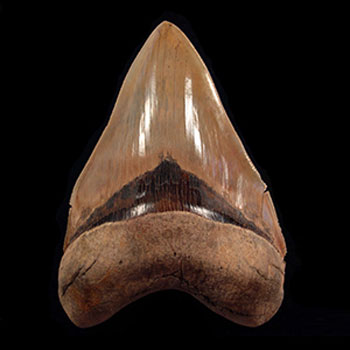
North Carolina is a dream locale for Megalodon collectors. From the famous Aurora (Lee Creek) beds to copper-red river finds, the state produces showstoppers. If you have a megalodon tooth found in North Carolina, the next step is to display and protect it well, so it looks great today and decades from now.
Why North Carolina Megs Deserve a Premium Display
Aurora (Lee Creek) yielded some of the most coveted Megalodon teeth ever discovered. Access to the mine ended in 2008, which makes authenticated pieces from older collections finite and highly collectible. These are fossils worth presenting with care.
Rivers like the Meherrin now produce rare copper-red beauties with sharp serrations and excellent preservation. The look is distinctive and deserves a setup that highlights color, bourlette, and root detail without distraction.
Start With a Purpose-Built Stand or Frame
Buried Treasure Fossils carries a full range of display materials designed specifically for shark teeth, so you can choose a clean, stable presentation that protects the fossil. Options include black display frames (Riker-type), clear easel stands, caliper frames, four-peg stands, black bases, ID-label stands, and storage bags. Each helps you balance visibility with support.
Quick pairing ideas
● 4-peg or caliper stands for large showpieces (4–6"+). They cradle the root and blade securely while keeping the bourlette visible.
● Clear easel stands for everyday display. Minimal visual footprint. Great for rotating pieces in and out of a case.
● Riker-type frames for travel or wall display. Foam backing holds the tooth in place and protects the enamel. Add a label for locality and age.
● ID-label stands when provenance is a feature. Perfect for “Aurora, NC (Lee Creek), Miocene–Pliocene” or “Meherrin River, copper-red.”
Layout Tips for Different North Carolina Localities
● Aurora (Lee Creek): Highlight the story: Miocene–Pliocene beds, phosphate mine heritage, and limited post-closure availability. Place the tooth on a low, stable stand with a matte black base so the enamel and bourlette pop. Include a small locality card.
● Meherrin River and coastal rivers: Let the color speak. Copper-red hues look incredible against neutral backgrounds. Use clear stands or a shadow-box frame with off-white foam.
Sizing Matters: Match the Stand to The Tooth
Large North Carolina megs are heavy. Choose a stand that supports the root without pinching the blade. Four-peg and caliper styles distribute weight and prevent tipping, especially on shelves or inside cases that see vibration. Buried Treasure Fossils’ assortment makes it easy to size up before you buy.
Make provenance part of the display
Collectors value a clear, honest story. If your piece is a megalodon tooth found in North Carolina, say it plainly, then add the specific locality when known, “Aurora (Lee Creek)” or “Meherrin River.” Include notes on measurements, condition, and any restoration. This helps viewers appreciate the fossil and supports long-term value.
Care Tips That Protect Color, Enamel, and Edges
● Keep it dry and stable. Avoid high humidity. River teeth with rich patina, especially copper-red examples, can dull if stored in damp environments. A closed case with desiccant helps.
● Avoid harsh cleaners. Don’t use solvents, oils, or polishes. A soft, dry brush or microfiber cloth is enough for dust. If you must clean crevices, use compressed air gently. (No water soak.) This preserves the natural finish that collectors expect.
● Control light. Limit direct sun and strong UV. Prolonged exposure can fade patina and dry out matrix remnants. Position displays away from windows or use UV-filtering glass.
● Handle by the root. The cutting edge and serrations are the most vulnerable. Grip the root with two hands over a soft surface. Place it back onto the stand slowly to avoid contact marks.
● Use inert materials. Frames and stands from the Buried Treasure Fossils display catalog are intended for fossil use. Avoid DIY adhesives or foams that may off-gas and discolor enamel.
Labeling That Adds Context
A simple label can elevate your piece:
● Species: Carcharocles/Otodus megalodon
● Locality: North Carolina, USA (+ “Aurora (Lee Creek)” or “Meherrin River” if known)
● Age: Miocene–Pliocene
● Size: Length (tip to longest root) and width
● Notes: Color (e.g., copper-red), serration quality, restoration status
This format is consistent with how serious collectors and sellers present information. It also mirrors how the Buried Treasure Fossils site emphasizes authenticity and clear descriptions across listings.
Building a Cohesive Shelf or Wall Display
● Curate by theme. Group North Carolina pieces together. One Aurora tooth centered between two river finds tells a clear regional story. Add a small map or museum postcard to anchor the narrative.
● Vary height and angle. Use mixed stand heights so blades don’t visually collide. Slight angle changes reveal enamel luster and bourlette texture under cabinet lighting.
● Frame a favorite. If you have a single, top-tier megalodon tooth found in North Carolina, give it a Riker-type frame with a custom card. Keep the typography minimal so the tooth remains the star.
When You’re Ready to Expand
Buried Treasure Fossils serves first-time buyers and seasoned collectors alike, with authentic shark teeth across price points. You’ll find individual North American shark teeth, premium Megalodon specimens, and even bulk lots suited for educators, gift shops, and resellers who need quantity. That makes it easy to build displays ranging from a single hero tooth to a whole North Carolina themed case. Authenticity is guaranteed.
Final Word
A megalodon tooth found in North Carolina deserves a thoughtful, museum-style presentation. With the right stand or frame, smart lighting, and simple care habits, your fossil will command attention and hold up beautifully over time. When you’re ready to refine your display or add a new North Carolina specimen, explore the dedicated display materials and fossil catalogs at Buried Treasure Fossils.






