

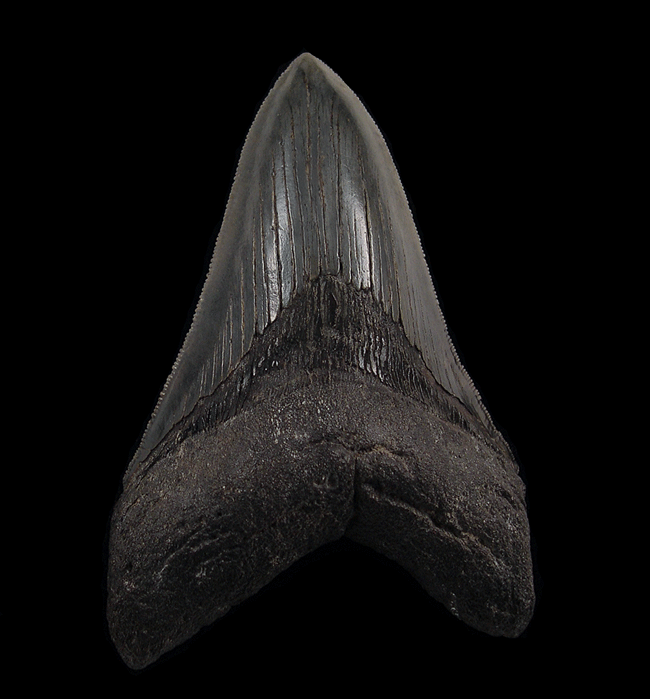
There’s something truly magical about holding a piece of Earth’s ancient history in your hand — a glimpse into a time when colossal predators ruled the seas. Among these incredible relics, Sharktooth Hill Megalodon tooth fossils stand out as extraordinary tools for teaching children about evolution, adaptation, and the dynamic story of life on Earth. At Buried Treasure Fossils, we’re passionate about how these fossils not only capture young imaginations but also offer hands-on lessons in science, geology, and environmental change.
Discovering the Fascinating World of Sharktooth Hill
Nestled north of Bakersfield, California, Sharktooth Hill is one of the richest Miocene-age fossil sites in the world. Around 12 to 15 million years ago, this region was submerged under a vast, warm ocean teeming with marine life — from ancient whales and sea lions to the most feared predator of all, the Megalodon. Today, the Sharktooth Hill Megalodon tooth remains one of the most remarkable remnants from that time, preserved in silty deposits that reveal the ecological complexity of ancient seas.
When kids learn about Sharktooth Hill, they aren’t just studying fossils — they’re traveling back in time to an age when nature was wild and unrefined. By exploring the layers of sediment and examining tooth shapes, students can visualize how life evolved to adapt to changing climates, food sources, and ecosystems.
The Megalodon: An Ancient Teacher in Evolutionary Biology
The Megalodon — whose name means “big tooth” — was the largest shark to ever exist, growing over 50 feet long with teeth reaching up to 7 inches. These powerful jaws reveal much more than just size; they tell a story of adaptation and survival. The Megalodon’s teeth evolved to slice through thick whale blubber and bone, showcasing evolutionary specialization at its peak.
When educators introduce students to Megalodon teeth, they’re not just discussing size or fearsome predators — they’re demonstrating how evolution works. Over millions of years, environmental pressures, food availability, and competition drove sharks to develop new traits. This is a tangible way for kids to understand the concept of natural selection — the same principle that has shaped every species on Earth, including humans.
Why Hands-On Learning with Fossils Matters
At Buried Treasure Fossils, we’ve seen firsthand how real specimens inspire curiosity far more than textbook diagrams ever could. Holding a Sharktooth Hill Megalodon tooth engages multiple senses — touch, sight, and imagination — turning abstract scientific concepts into personal discoveries.
For STEM educators, this tactile approach opens endless opportunities:
● Evolution in Action: Children can compare Megalodon teeth with modern shark teeth, identifying changes in size, serration, and shape.
● Environmental Lessons: By studying where these fossils are found, students can explore how oceans shifted and species adapted to new habitats.
● Scientific Process: Fossils teach observation, classification, and hypothesis — core elements of scientific thinking.
Such experiences spark critical thinking and make paleontology approachable even for young learners. Fossils, especially shark teeth, transform classrooms into miniature excavation sites filled with discovery and wonder.
The Role of Sharktooth Hill in Understanding Marine Evolution
The fossils from Sharktooth Hill form a critical link in understanding the evolution of marine ecosystems. During the Miocene epoch, the ocean teemed with biodiversity, but it was also a time of massive environmental change. Volcanic activity, tectonic shifts, and fluctuations in sea levels reshaped the planet’s climate — forcing species to adapt or go extinct.
The Sharktooth Hill Megalodon tooth reveals how apex predators like the Megalodon evolved in response to these changes. For instance, as whale species diversified, Megalodon teeth grew larger and more robust to handle thicker prey. By comparing these ancient teeth with those of smaller Miocene sharks such as Isurus hastalis (the ancestor of the Great White shark), educators can show students how species diversified through evolutionary branching — a direct lesson in adaptive radiation.
Connecting Fossils to Modern Science Education
Incorporating real fossils into classroom or camp programs helps bridge the gap between theory and practice. With a genuine Sharktooth Hill Megalodon tooth, kids can witness the tangible evidence of evolution — a concept often hard to grasp through illustrations alone.
Science camp leaders can design engaging activities such as:
● Fossil Sorting Challenges: Have students categorize shark teeth by age or species, emphasizing evolutionary traits.
● Paleo Art Projects: Encourage kids to recreate ancient marine environments using their observations.
● Mini Excavations: Simulate fossil digs to teach stratigraphy and sedimentary layers.
Each of these activities transforms learning into an adventure — one that sparks long-term curiosity about Earth’s natural history.
Our Commitment to Authenticity and Education
We at Buried Treasure Fossils take immense pride in offering authentic, legally sourced specimens that help educators and enthusiasts connect with prehistoric life responsibly. Our Sharktooth Hill collection features beautifully preserved Megalodon, Mako, and Great White ancestors — each piece representing millions of years of geological history.
Every fossil comes with its own story, from the layers it was discovered in to the scientific context that gives it meaning. For teachers, this ensures not only authenticity but also educational integrity. Knowing that a fossil was ethically obtained and accurately identified allows for confident use in classrooms, museums, and outreach programs.
Inspiring Future Scientists
When children hold a fossilized tooth, they hold a moment frozen in time — a testament to resilience and adaptation. That simple experience can ignite a lifelong passion for science. Whether they become paleontologists, marine biologists, or environmental scientists, the seeds of curiosity often begin with hands-on exploration.
Fossils like the Sharktooth Hill Megalodon tooth remind young learners that science isn’t confined to laboratories — it’s everywhere around us, written in the rocks beneath our feet. They teach that understanding evolution isn’t just about looking back; it’s about recognizing patterns that shape our world today. From climate change to species conservation, these ancient lessons continue to guide modern scientific inquiry.
The Lasting Impact of Sharktooth Hill Fossils
Every fossil from Sharktooth Hill offers a chapter in Earth’s story. Beyond their aesthetic appeal, these relics deepen our understanding of how life adapts and thrives amid changing conditions. For educators, they’re powerful storytelling tools that merge geology, biology, and history into one seamless narrative.
At Buried Treasure Fossils, we believe learning should be as thrilling as discovery itself. Our mission has always been to make authentic fossils — from the awe-inspiring Sharktooth Hill Megalodon tooth to delicate ammonites — accessible to all, fostering curiosity across generations.
Conclusion: Bridging the Past and the Future
Teaching evolution through fossils isn’t about memorizing timelines — it’s about awakening curiosity and respect for the forces that shape life. The Sharktooth Hill Megalodon tooth serves as a bridge between ancient oceans and modern classrooms, reminding us that every fossil tells a story of transformation, survival, and adaptation.
For educators and science camp organizers, incorporating real fossils can turn abstract theories into moments of wonder. If you’re ready to inspire the next generation of scientists, explore our ever-growing fossil collection. Together, we can continue bringing the prehistoric world to life — one discovery at a time.






