

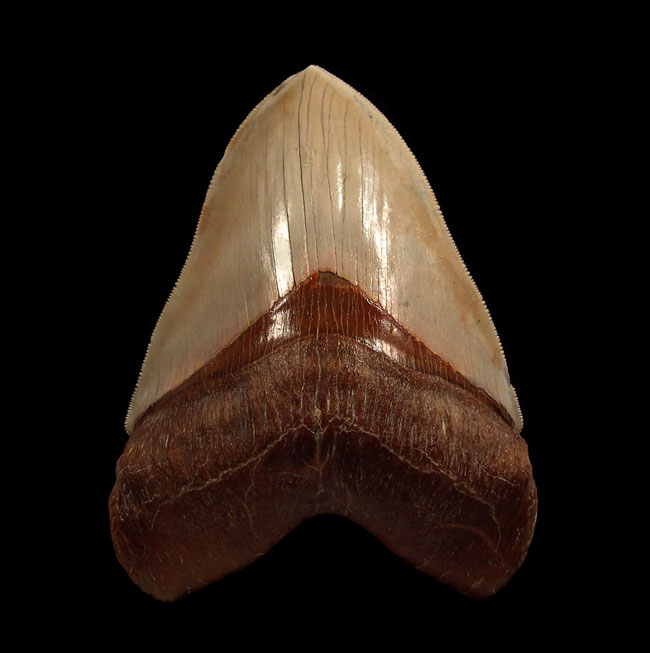
Beneath the shimmering surface of the ocean lies a forgotten world—one ruled not by humans or machines, but by creatures whose size and presence defied comprehension. Among them, the megalodon reigns supreme. This ancient shark, with jaws that could swallow small boats, remains one of the most intriguing predators ever to roam Earth’s waters. And recently, a fascinating discovery stirred up global curiosity once again: the world's biggest megalodon tooth was found—and its story is one for the ages.
This find wasn’t simply about size; it revealed hidden truths about evolution, extinction, and Earth's own timeline.
Let’s journey into the depths to learn how this enormous tooth reshaped what we know about the megalodon, and why such fossils continue to captivate scientists and collectors alike.
Where the Past Emerged: The Chilean Connection
In the heart of Chile’s fossil-rich Atacama Desert, something extraordinary surfaced. Nestled within layers of marine sediment, a huge fossilized tooth was uncovered—its measurements exceeding previous records by a slim but significant margin. What makes this location so noteworthy isn’t merely the presence of fossils, but the abundance of marine deposits that have survived millions of years, preserved by Chile’s arid climate and geological history.
It’s an unlikely place for a marine fossil, but that contradiction is precisely what makes it so remarkable. The region was once a thriving coastal environment, home to sea life that now exists only in the fossil record.
That massive fossil unearthed from Chile is now widely regarded as the world's biggest megalodon tooth, sparking debate and fascination around the globe.
The Legacy of the Megalodon
The megalodon wasn't your average shark. Estimates suggest it could grow up to 60 feet long, with teeth measuring over 7 inches. That’s longer than most human forearms. It roamed the oceans during the Miocene and Pliocene epochs, preying on whales, giant turtles, and even other sharks.
These predators ruled the seas with unmatched grace, their size and agility making them apex hunters. But their dominance wasn’t eternal. They vanished roughly 3.6 million years ago, and though their bones are gone, their teeth continue to speak for them.
Each tooth—sharp, triangular, and serrated—offers a glimpse into this behemoth’s lifestyle. The fossil recently discovered in Chile, due to its size and preservation, adds a new chapter to that story.
Why Tooth Size Tells a Bigger Story
When it comes to fossils, size can tell us more than you’d think. The sheer scale of this megalodon tooth suggests a larger-than-average individual, suggesting there may have been greater variation in the species than previously assumed.
Could this particular shark have been among the last of its kind? Or was it the result of a unique environmental condition that led to unusual growth?
These are the kinds of questions that spark deeper study. Each fossil is a piece of a larger puzzle, and the larger the piece, the more we’re able to understand the ecosystem it came from.
Chile’s Role in Global Fossil Discovery
Chile isn’t new to the world of paleontology. The country's deserts have revealed everything from massive marine reptiles to land-dwelling creatures that once roamed South America. But this find stood out not only for its size but also for its location in a sedimentary layer previously thought to be fossil-poor.
It proves yet again that there are still surprises waiting in the dirt—and that some of the most significant finds might emerge where you least expect them.
Moreover, discoveries like this don’t stay local. They shape global understanding, inviting museums, researchers, and enthusiasts from all over the world to reassess what they thought they knew.
What This Tooth Could Mean for Future Research
Fossil finds of this magnitude constantly ripple through the scientific community. A larger tooth suggests larger prey, which in turn hints at a different food chain, possibly a different habitat. Could this be evidence that the megalodon adapted to more environments than once believed?
The debate also reaches collectors and educators. Larger, well-preserved teeth are rare, and when one surfaces, it often inspires new fossil hunts and academic inquiries. Even amateur fossil hunters take notice—suddenly scanning beaches and dried-up riverbeds with renewed enthusiasm.
This isn't only about size. It's about rewriting the history of one of Earth’s most enigmatic predators.
Fossils in the Modern Age: More Than Relics
To some, fossils are simply old bones and rocks. But for many, they represent connection—to Earth's past, to our own curiosity, and to the thrill of discovery.
The fascination with sharks, especially extinct giants, has made fossilized megalodon teeth desirable collectibles. Beyond that, they hold academic value—often used in educational settings to spark interest in paleontology, biology, and earth sciences.
The newfound tooth from Chile might now serve as a centerpiece for future exhibitions or become the subject of documentaries. Wherever it ends up, it has already made its mark.
Holding History in Your Hands
There’s something deeply personal about touching a fossil. It’s as if you're reaching across time, brushing against a world that existed long before modern humans.
That’s the allure of collecting megalodon teeth. Each one is a token from a bygone era, and larger specimens—like the one discovered in Chile—carry even more weight, both literally and figuratively.
If you’re considering adding a fossil to your collection or exploring these prehistoric treasures for yourself, you’re not alone. Interest is surging, and whether you’re a seasoned paleontologist or a curious beginner, the world of fossils has something to offer.
Will We Ever Find a Bigger Tooth?
It’s a tempting question. Paleontology is full of “firsts” and “bests,” but the search never truly ends. Somewhere, hidden in layers of sediment or buried beneath ancient coastlines, another record-breaking fossil might be waiting.
Could an even larger megalodon tooth be lying undiscovered in another corner of the globe? Possibly. That’s what makes the field so compelling—each new discovery sparks fresh questions.
And with growing interest and better tools, fossil hunters are better equipped than ever to find the next big thing.
Take a Step into Prehistoric Waters
Whether you're captivated by science, drawn to collecting, or simply amazed by the natural world, the story of the world's biggest megalodon tooth is more than an interesting headline. It’s an invitation—to wonder, to learn, and maybe even to search.
These ancient teeth aren't relics to be forgotten; they are markers of a mysterious world that shaped ours.
If you're ready to explore the past in your own way, start by browsing authentic fossils or learning more about where they come from. Some of the most fascinating finds are closer than you think.






