

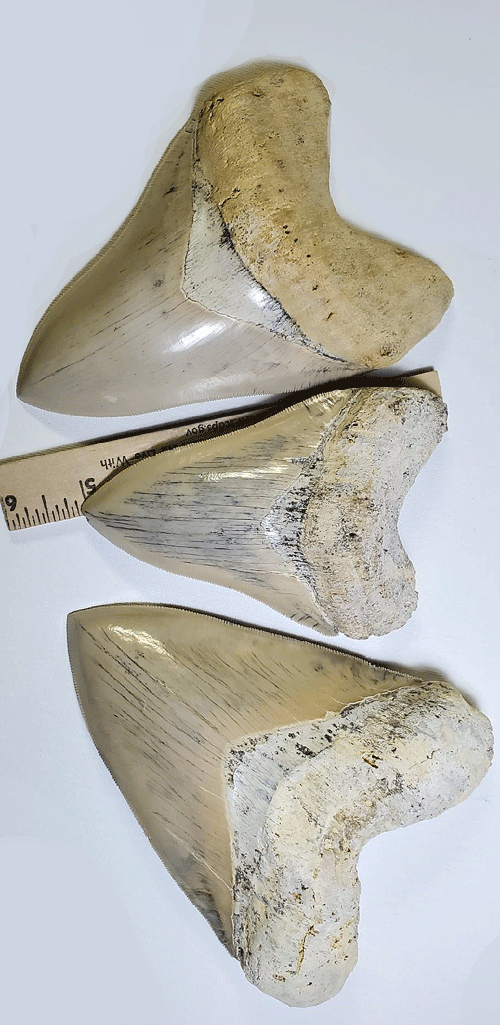
Prehistoric teeth, especially those from apex predators like the Megalodon, carry a special fascination for fossil collectors and history enthusiasts. They connect us to a time when the oceans were ruled by giants and nature’s forces shaped life in remarkable ways. But as interest in fossil collecting has grown, so has the market for replicas and altered specimens. That’s why it’s essential to know how to identify a genuine megalodon tooth fossil and avoid being misled. We understand how important authenticity is, both for the integrity of your collection and for the story each specimen tells.
Let’s explore the key signs that help you separate genuine prehistoric teeth from modern reproductions.
Understanding What “Authentic” Means in Fossil Terms
When we talk about an authentic prehistoric tooth, we mean a naturally fossilized specimen that was preserved in sediment for millions of years. Fossilization replaces the original tooth material with minerals, giving it its unique weight, texture, and durability. In contrast, a replica is usually made of resin, plaster, or composite materials and is manufactured to mimic the look of the real thing.
True authenticity also means the fossil has not been artificially enhanced beyond basic cleaning and stabilization. Over-polishing, painting, or heavy restoration can compromise both the appearance and value of a specimen.
The Weight and Density Test
A genuine megalodon tooth fossil has a distinct heaviness due to mineralization. Fossilized minerals like silica, phosphate, and calcite replace the organic material in the tooth, giving it substantial density. When you hold one in your hand, you should feel that extra weight compared to an identically sized resin replica. Lightweight teeth often signal reproduction or partial restoration. While not a definitive test on its own, the weight check is a quick way to rule out obvious fakes before looking closer.
Surface Texture and Detail
A real fossilized tooth will have fine surface details, including visible growth lines and natural wear patterns. These features are usually sharp but can be smoothed in areas due to natural erosion during fossilization or from being tumbled in sediment over time.
Replicas often fail to capture these intricate details accurately. Molds may blur or exaggerate features, and resin often has a slightly waxy or plastic-like texture. Running your fingers lightly across the surface should reveal a complex, natural pattern rather than a uniform, manufactured feel.
The Root and Enamel Junction
One of the most telling areas of a tooth is where the enamel meets the root. In genuine specimens, the transition is gradual and organic, with subtle color variation. The enamel on a megalodon tooth fossil is typically darker or lighter than the root, depending on mineral content and preservation conditions. Fake or heavily restored teeth often have an unnatural, abrupt color change at this junction, sometimes accompanied by visible seam lines from molding.
Coloration: Nature’s Palette vs. Paint
Fossil coloration depends on the minerals in the surrounding sediment during preservation. This means authentic prehistoric teeth can range from jet black to sandy beige, deep brown, or even bluish-gray. The key is that the colors look embedded within the tooth, not painted on the surface.
A glossy, uniform paint layer is a red flag. Sometimes, modern reproductions are even airbrushed to look more “dramatic.” If you suspect paint, examine the tooth under bright light—paint often sits on top of surface cracks and does not penetrate them like natural mineral staining does.
Tool Marks and Artificial Shaping
Authentic teeth are shaped by nature, not machinery. While preparation tools are sometimes used to remove excess sediment, they should not alter the tooth’s shape. Replicas or altered fossils may show grinding marks, perfectly even edges, or overly symmetrical serrations. On a genuine tooth, serrations will usually have small variations and may be worn or chipped. These imperfections add to the authenticity and historical value of the specimen.
The Importance of Provenance
A reliable seller should be able to provide details about where and how the tooth was found. Provenance—the documented history of a fossil’s discovery—can greatly increase confidence in its authenticity. While not every authentic megalodon tooth fossil comes with detailed records, reputable dealers will be transparent about its origin and condition, and they will clearly label any restoration work done.
Restorations: What’s Acceptable and What’s Not
It’s important to note that some authentic teeth undergo restoration, such as filling small chips or stabilizing cracks. Minor, well-documented restoration can make a fossil display-worthy while maintaining most of its authenticity. However, extensive restoration—like replacing large sections of enamel or root—should always be disclosed. Over-restored teeth can sometimes cross the line into being part fossil, part replica.
Tactile and Temperature Clues
Fossilized teeth tend to feel cool to the touch, even after being held for a while, because of their mineral composition. Resin or plastic replicas often warm up more quickly in your hand. Similarly, genuine fossils may feel slightly gritty in areas where sediment remains, whereas replicas have a uniformly smooth surface.
Magnification for Micro-Details
A jeweler’s loupe or magnifying glass can reveal authenticity clues invisible to the naked eye. Genuine teeth show tiny pits, micro-fractures, and mineral inclusions that replicas can’t easily reproduce. You might also spot fossilized micro-organisms embedded in the surface—something that only nature’s process can produce.
The Role of Professional Verification
Even with all these visual and tactile tests, the most reliable way to confirm authenticity is through professional examination. Experts who handle megalodon tooth fossils daily can identify subtle signs of restoration, reproduction, or alteration that are easy to miss. Certification from a trusted fossil dealer or paleontologist can provide peace of mind, especially for high-value purchases.
Why Does Authenticity Matters?
Owning an authentic prehistoric tooth isn’t just about monetary value—it’s about holding a tangible piece of natural history. Each specimen tells a story about ancient ecosystems, predator-prey dynamics, and the passage of millions of years. A replica may look convincing on a shelf, but it cannot carry that same connection to Earth’s deep past.
Conclusion: Making Confident Choices as a Collector
Learning how to distinguish between a real and fake prehistoric tooth takes practice, patience, and a careful eye. By paying attention to weight, texture, coloration, and provenance, you can greatly reduce the risk of buying a reproduction when you’re seeking the real thing. For many collectors, building knowledge is just as rewarding as building a collection. And when you finally hold a genuine megalodon tooth fossil in your hand, you’ll know it’s more than just an object—it’s a direct link to an ancient world we can only imagine.
That’s why we approach fossil collecting with a mix of curiosity and respect, making sure every addition to a collection carries the authenticity it deserves.
Start your fossil journey today—explore authentic prehistoric finds and bring a genuine piece of ancient history into your collection.






