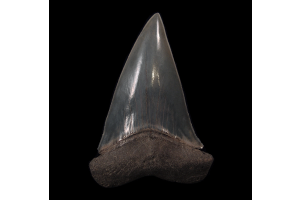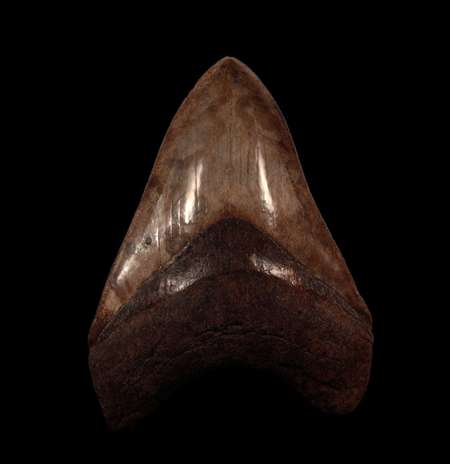
For collectors and enthusiasts, few fossils inspire as much excitement as the massive, serrated teeth of the prehistoric Megalodon. These ancient giants ruled the oceans millions of years ago, and owning one of their fossilized teeth is like holding a piece of marine history. But with their growing popularity comes a rise in replicas and altered specimens, making it essential to know how to tell if a megalodon tooth is real—especially by focusing on two key factors: weight and density. Here at Buried Treasure Fossils, we’ve spent decades working with authentic specimens, so we’re sharing insider tips to help you recognize the real thing.
Why Weight and Density Matter in Authentication
When a tooth fossilizes, it undergoes a process called mineralization. Over millions of years, the organic material in the tooth is gradually replaced by minerals from surrounding sediments—often silica, calcite, or phosphate minerals. This replacement process is what gives fossilized Megalodon teeth their incredible weight compared to modern teeth or artificial replicas. A genuine specimen will feel solid, dense, and substantial when held, which is why checking weight and density is one of the most reliable ways to determine authenticity.
Fakes, on the other hand, are often made from resin, ceramic, or composite materials. While some can be visually convincing, these materials lack the heaviness of a fully mineralized fossil. Pick up a genuine tooth and then handle a replica—you’ll feel the difference almost instantly.
Understanding the Density Test
Density, in the context of megalodon teeth, pertains to the mass in relation to their volume. Genuine megalodon teeth possess a density strikingly similar to that of natural stone, as they are essentially petrified remains from an ancient era. When you cradle one in your hand, you may be surprised by its heft—far more substantial than its size might lead you to believe. In contrast, a counterfeit tooth crafted from lightweight resin or polymer will feel hollow and almost weightless, lacking the authentic heft that true fossilized teeth carry.
A simple way to gauge this is by comparing the weight of the tooth to a modern shark tooth replica of similar size. The authentic fossil should weigh significantly more. If you have access to a small kitchen scale, weigh the specimen—while there’s no universal “perfect” weight, experienced collectors know that genuine fossilized teeth of 5–6 inches typically weigh in the hundreds of grams, not mere ounces.
Other Clues That Support the Weight and Density Test
While weight and density are key, they’re most effective when combined with other indicators:
● Surface Texture: Authentic teeth have a natural, slightly weathered feel with small imperfections, mineral deposits, and subtle irregularities. Fakes often look overly smooth or artificially polished.
● Color Patterns: Real fossil teeth display variations caused by the minerals in the soil where they fossilized—shades of gray, black, tan, or even bluish hues. Replicas tend to have uniform coloring.
● Serrations and Blade Shape: Megalodon teeth feature fine serrations along the edges. While some wear is normal, these serrations should look naturally worn rather than perfectly sharp or artificially carved.
● Root Structure: Fossilized roots are dense and can show tiny holes (nutrient foramina) that were part of the living tooth’s anatomy.
By combining these observations with a careful weight and density check, you greatly reduce the risk of buying a fake.
The Science Behind Heavier Fossil Teeth
The remarkable weight disparity between authentic Megalodon teeth and their replicas can be traced back to the fascinating process of fossilization. Over the course of millions of years, mineral-laden groundwater infiltrates the depths where the tooth lies buried. This slow, transformative journey involves the mineral-rich water methodically replacing the tooth's original organic components—dentin and enamel—with rock-like minerals. As this process unfolds, the resulting fossils become far denser and heavier than their original form, embodying a piece of history that tells a story of time, pressure, and natural transformation.
In areas like the phosphate-rich Bone Valley Formation in Florida or sediment-heavy waters off the Carolinas, the mineralization process is especially intense. This results in incredibly dense, well-preserved teeth that feel almost like holding a small stone. The weight you feel isn’t just the tooth—it’s the accumulated minerals from its prehistoric burial site.
Why Fakes Often Fail the Density Test
Even when counterfeiters use heavy materials like ceramic or concrete, the overall density is rarely a perfect match for that of fossilized teeth. Replicas can feel either too light (if resin-based) or unnaturally heavy but without the same balanced feel of real fossilized enamel and root. Additionally, fake teeth often lack the microstructure of genuine fossils, which contributes to both weight distribution and authenticity.
Some artificially aged fakes even have sand or sediment added to their surface to mimic the “found in the ground” look—but their weight still gives them away. That’s why even skilled counterfeiters struggle to match the exact density profile of an authentic Megalodon tooth.
Buying from Trusted Sources
While learning how to tell if a megalodon tooth is real is essential, the most foolproof way to ensure authenticity is to purchase from a reputable dealer. At Buried Treasure Fossils, we’ve built our reputation on offering genuine, legally collected specimens from trusted sources. Every Megalodon tooth we sell is carefully inspected for authenticity, and we provide detailed information on its origin, geological age, and preservation.
We recognize that venturing into the world of fossil collecting can be daunting for beginners, which is why we strive to create an inviting and accessible shopping experience. Our store offers a diverse range of fossils, from affordable starter specimens perfect for those just beginning their journey to museum-quality Megalodon teeth that are truly remarkable. Our aim is to provide you not only with authentic fossils you can trust but also the essential knowledge and guidance to fully appreciate the fascinating stories each piece holds.
Final Thoughts
For collectors, educators, and enthusiasts, owning a real Megalodon tooth is more than just having a fossil—it’s holding a tangible piece of Earth’s history. Weight and density are two of the most reliable indicators of authenticity, and when paired with texture, color variation, and root structure, they form a powerful tool for spotting the genuine article.
In the end, knowing how to tell if a megalodon tooth is real not only protects your investment but also deepens your appreciation for these incredible relics of the prehistoric seas. Explore our collection and see for yourself the exceptional weight, solidity, and beauty of the real thing if you're prepared to add an actual Megalodon tooth to your collection. After all, nothing compares to holding millions of years of history in your hands.