

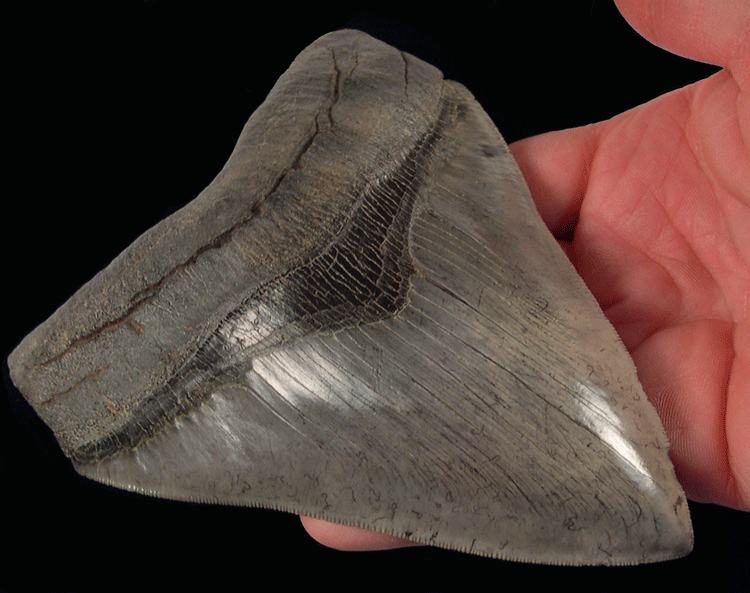
Surviving underwater in ARK: Survival Evolved feels even more rewarding when you understand the real-world science behind the creatures you encounter. Within the first moments of exploring the ocean biomes, many players quickly become curious about how to spawn megalodon tooth in ark and how real paleontological principles can help shape those strategies. Because we at Buried Treasure Fossils spend every day studying, identifying, and sharing authentic Megalodon fossils, we naturally see fascinating parallels between gameplay mechanics and biological logic taken straight from actual shark evolution. Whether you’re an ARK survivalist, a marine biology enthusiast, or a science-minded gamer, applying paleontology to your in-game approach helps make every underwater expedition more immersive, efficient, and purposeful. This is also why understanding how a real Megalodon shed teeth, hunted prey, or matured into adulthood helps explain the smartest ways to pursue megalodon tooth ark materials during gameplay.
Understanding Megalodon Biology Before Understanding Its ARK Logic
One of the clearest advantages we have as fossil specialists is that we know how Megalodons behaved, fed, and grew through millions of years of Earth’s prehistory. These giant sharks shed tens of thousands of teeth throughout their lives. They left behind enormous fossil deposits, which is why real Megalodon teeth—like those we offer in our catalog—remain among the most collected marine fossils on the planet.
When you apply this biological context to ARK, it becomes easier to anticipate which creatures are more likely to drop teeth, how often they might appear, and why only certain individuals yield them. Real Megalodons grew in progressive stages, and only mature sharks produced the iconic triangular teeth collectors love today. Younger animals had smaller, less mineralized teeth, explaining why juvenile sharks in ARK don’t drop usable materials. This connection between ancient biology and ARK logic sets a strong foundation for learning the most effective spawning strategies.
How Paleontology Helps Explain ARK Spawn Behavior
ARK’s ocean ecology mirrors many real-world concepts. Megalodons—both real and digital—prefer deep, open-water hunting territories. These areas supported large prey, steady food access, and enough space for ambush tactics. The game replicates this by placing Megalodons in vast underwater zones, meaning players must travel into these regions if they want a realistic chance of acquiring teeth.
Understanding this biological logic benefits your survival strategy in two major ways:
1. Megalodons are apex predators.
In nature, they were drawn to high-activity zones with large prey populations. Similarly, in ARK, they appear around underwater caverns, continental shelves, and deep marine spans where creature density is high.
2. Megalodons shed teeth constantly.
Real sharks lose teeth as frequently as weekly. While ARK doesn’t directly mimic shedding frequency, it does reflect rarity, implying that not every shark will drop a tooth. Persistence remains key—just as it would in fossil hunting.
These parallels make the digital search feel more authentic and grounded in natural history.
Preparing for the Hunt Using Both Science and Strategy
Before diving deeper into how to spawn megalodon tooth in ark based on biological logic, preparation becomes essential. We always compare this part of gameplay to preparing for a fossil-hunting dive. Real marine fossil hunters rely on specialized tools, protection, and strategic planning. The same mindset helps ARK players stay alive and efficient.
Essential Gear and Why It Matters
Scuba Equipment
Just as underwater researchers require oxygen tanks and wetsuits, ARK players need scuba tanks, masks, and flippers to survive deep-sea exploration. Megalodons thrive where visibility decreases and pressure increases—biomes where preparedness prevents panic and wasted time.
Defensive Weapons
In the natural world, even fossil divers in predator-active zones carry protective tools. ARK players need harpoons, crossbows, or advanced firearms to withstand swarming predators.
A Fast Aquatic Mount
In prehistoric ecosystems, speed often determined survival. In ARK, mounts like the Basilosaurus or Ichthyosaurus offer mobility and protection, helping players escape and reposition during Megalodon encounters.
How Biological Logic Helps You Predict Tooth Drops
Now we enter the central part of the strategy: efficiently obtaining Megalodon teeth using an understanding of shark anatomy and behavior.
Target Adult Megalodons Only
Real Megalodon teeth are enormous because adult sharks needed strong tools for crushing whales and large marine mammals. Juveniles had smaller teeth customized for fish-based diets. ARK reflects this by making adult sharks more likely to drop teeth upon harvesting. When scanning groups of Megalodons, note the larger individuals—they often yield better rewards.
Hunt in High-Activity Water Zones
Megalodons in nature occupied regions with abundant prey, and fossil deposits today confirm this. Regions rich in whale fossils often contain numerous Megalodon teeth as well. ARK applies a similar pattern by spawning sharks in dense marine ecosystems where prey activity is high. These zones statistically increase your chances of obtaining drops.
Persistence Mirrors Fossil Collecting
Real fossil hunters know that not every dive reveals a treasure. It takes repeated searches, patience, and skill. ARK’s drop rates replicate this scientific reality. You may have to defeat several sharks before collecting a tooth. The method is repetitive but mirrors actual paleontological work.
Step-by-Step: Applying Scientific Reasoning to In-Game Spawning
Here’s where paleontology and gameplay fully intersect. When players ask how to spawn megalodon tooth in ark efficiently, the most successful strategies follow a biological reasoning pattern:
1. Locate prime Megalodon habitats.
Search deep-water blues, underwater trenches, and ocean caverns—areas that mimic real Megalodon migration and hunting patterns.
2. Identify the bigger sharks.
Size often correlates with age in nature. Larger Megalodons equal greater tooth maturity, mirroring ARK’s harvest logic.
3. Defeat the shark and harvest with keratin-efficient tools.
Metal picks and hatchets function like paleontologist extraction tools, improving success rates.
4. Repeat the cycle.
Just as fossil hunters comb regions multiple times, ARK players should revisit shark-active biomes frequently.
Through this grounded approach, your Megalodon encounters feel more authentic, strategic, and rewarding.
Why Megalodon Teeth Matter in ARK and in Real Life
In ARK, teeth act as crafting components for trophies, recipes, and trading value. Their rarity grants them prestige among players who enjoy underwater exploration. This mirrors the real world: Megalodon teeth remain some of the most valuable and collectible fossils, admired for their size, sharpness, and geological history. We work with these remarkable fossils every day, offering authentic specimens that allow collectors, educators, and enthusiasts to hold a genuine piece of Earth’s prehistoric oceans.
For science-oriented gamers, this creates a meaningful connection between virtual survival and real paleontology—one grounded in the biology of sharks that ruled the seas millions of years ago.
Conclusion: Combining Paleontology and Gameplay for Survival Success
Mastering how to spawn a megalodon tooth in Ark becomes far more intuitive when you apply real biological logic from paleontology. By targeting mature sharks, navigating high-activity ocean zones, and understanding how tooth shedding and hunting behavior shaped this species, you start to think like both a survivor and a scientist. And if exploring ARK’s oceans inspires you to experience the prehistoric world beyond the screen, we invite you to explore the remarkable fossil specimens we curate—authentic pieces of deep-sea history that connect your in-game adventures with the real Megalodon that once ruled our oceans. Take the next step into the ancient world and enhance your scientific curiosity with us.






