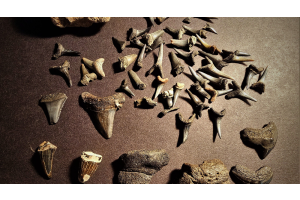
The oceans hold many stories, but few are as thrilling as those told by the teeth of history’s most formidable predators. Imagine holding a relic that once belonged to a creature dominating the seas millions of years ago, or examining the razor-sharp weapon of one of today’s top ocean hunters. These treasures have fascinated fossil collectors, marine enthusiasts, and scientists alike. When it comes to megalodon vs great white tooth, the differences are as striking as the creatures themselves.
Let’s explore the ways you can confidently tell these incredible specimens apart.
Age and Origins: Fossils from Two Eras
One of the most immediate distinctions comes from the timeline each tooth represents. Megalodon teeth date back millions of years, with some specimens originating from the Miocene and Pliocene epochs—spanning as far as 23 million years ago. Their preserved state tells us about a predator long extinct yet still unmatched in size and power.
In contrast, great white teeth come from a species that roams the oceans today. While some teeth may be fossilized after thousands of years, many are modern finds, often shed naturally as the shark replaces them throughout its life. This fundamental age difference gives each type of tooth its own place in the story of ocean history.
Size and Scale: The Visual Impact
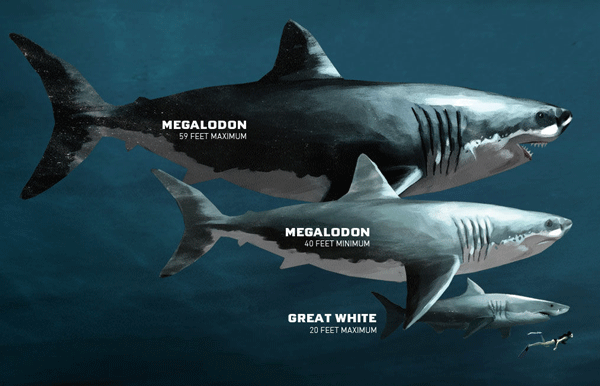
Size is one of the easiest ways to identify these teeth. Megalodon teeth are massive, with some measuring over seven inches from base to tip. They were designed to match the proportions of a shark estimated to have reached up to 60 feet in length. These oversized weapons were perfectly suited for crushing the bones of whales and other large prey.
Great white teeth, while still impressive, are notably smaller—rarely exceeding three inches in height. Their size reflects the dimensions of a modern predator, averaging 15 feet in length, built for agility and speed rather than overwhelming scale.
Shape and Function: Built for Different Hunts
The shape of each tooth reveals the hunting strategies of these apex predators. Megalodon teeth are broad and triangular with a robust structure, built for gripping and crushing large prey. Their serrations, though present, are wider and more durable, supporting the immense force of the bite.
Great white teeth, on the other hand, are narrower and more sharply pointed. The serrations are fine and razor-like, ideal for slicing through flesh with precision. This design matches the great white’s feeding style—swift attacks that inflict deep cuts, allowing prey to weaken before being consumed.
Color and Fossilization: Reading the Shades of Time
Fossilized megalodon teeth display a range of colors depending on the minerals present during fossilization. Shades can vary from deep black and brown to grey and even subtle blue hues. Each color tells a story about the environment in which the tooth was preserved.
Great white teeth found in modern contexts are typically white to cream-colored, reflecting minimal fossilization. Older, fossilized great white teeth can show similar mineral-induced colors, but their size and sharper profile make them easy to distinguish from their prehistoric counterparts.
Serrations and Wear Patterns: The Fine Details
A closer look at the serrations can help differentiate the two. Megalodon teeth often show thicker, more spaced serrations, which helped them handle larger, tougher prey. These serrations may also appear more worn due to the immense forces exerted during feeding. Great white teeth have finer, sharper serrations that remain more delicate in appearance. These are designed for cutting efficiency rather than withstanding the crushing bite of a giant.
The Experience of Holding Each Tooth
Beyond visual inspection, the tactile experience offers clues. Megalodon teeth have a weighty, solid feel—fossilized specimens can be surprisingly heavy for their size. Their broad, flat faces fit solidly in the palm, a reminder of the immense jaw that once housed them. Great white teeth, while still substantial, feel lighter and more streamlined. Their pointed tips and slender profile give a sense of speed and agility even when fossilized.
Collectors’ Perspective: Value Beyond Size
For collectors, the appeal of megalodon vs great white tooth goes beyond simple identification. Megalodon teeth, due to their age, size, and rarity, often command higher interest in the fossil market. Pristine specimens with intact enamel and serrations are especially prized. Great white teeth, while more common, hold significant appeal for their connection to a living legend of the sea. Collectors value them for their sharp beauty, historical continuity, and accessibility.
Environmental Clues: Where They Are Found
Location can also hint at the type of tooth you’ve discovered. Megalodon teeth are often unearthed from deep marine sediments, riverbeds, or coastal cliffs that were once ancient seabeds. These environments offer the right conditions for fossilization over millions of years. Great white teeth are more frequently found in shallower coastal waters, collected by divers, or washed ashore. Fossilized great white teeth can be discovered in areas that were once part of prehistoric coastlines.
Why the Differences Matter
Understanding these differences does more than help you identify a tooth—it connects you to the story of life in the oceans across vast stretches of time. Each tooth is a snapshot of a predator’s role in its environment, a tangible link to the natural forces that shaped marine ecosystems. Recognizing whether a tooth belonged to a megalodon or a great white sharpens your appreciation for both the ancient and the modern ocean giants. It also deepens your respect for the diversity of adaptations that have allowed sharks to remain top predators for millions of years.
Conclusion
Examining the teeth of these two legendary predators reveals a world of differences—in size, shape, function, and history. From the immense, fossilized relics of megalodons to the sleek, sharp teeth of great whites, each specimen offers a unique story. As collectors and enthusiasts, we gain not only the skill to distinguish between them but also the joy of holding a piece of ocean history. Whether your fascination lies with the colossal strength of a megalodon or the swift precision of a great white, the journey into their world is as thrilling as the creatures themselves. The comparison of megalodon vs great white tooth isn’t just about spotting differences—it’s about appreciating the extraordinary variety and enduring legacy of sharks.
Start your fossil journey today—explore authentic shark teeth and experience the thrill of holding history in your hands.