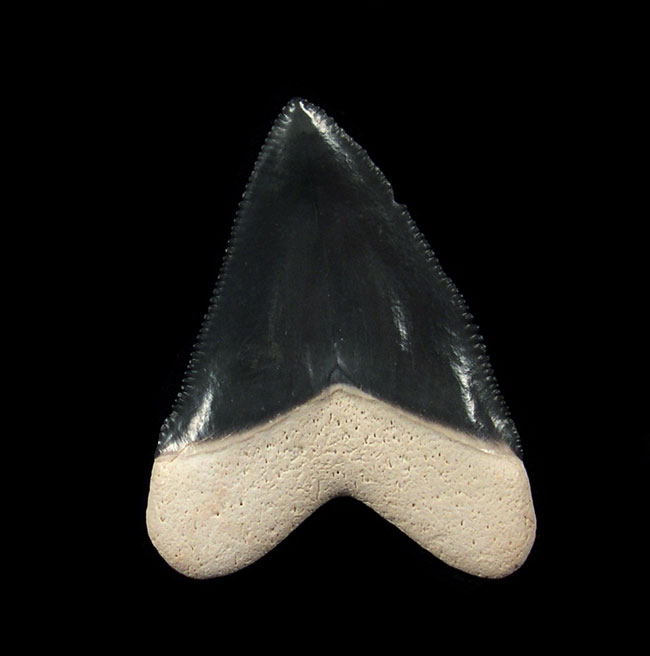
When it comes to collecting replicas of prehistoric relics, attention to detail makes all the difference. That’s why we offer carefully crafted replicas that aim to reflect the unique size, texture, and features of original fossils. A megalodon tooth replica is more than just a decorative item; it’s a representation of ancient marine life that deserves close scrutiny. Whether you're adding to a fossil-themed display or gifting a scientifically accurate keepsake, knowing how to judge the quality of a replica ensures your purchase meets both visual and educational standards.
Below, we’ll guide you through key quality checkpoints, from size accuracy to surface finish, color fidelity, and overall authenticity.
Size Matters: What the Tooth Should Represent
The size of a megalodon tooth replica should match real-world standards based on fossil evidence. Authentic megalodon teeth range from about 3 inches to over 7 inches, with the largest verified specimens just above 7 inches. A quality replica will reflect realistic scaling, regardless of whether it’s modeled after an adult or baby megalodon tooth.
When evaluating a replica, look at how the size aligns with the species' known growth patterns. For instance, baby megalodon teeth measure between 1.5 and 2.5 inches and can often be overlooked by collectors seeking only large specimens. However, a well-crafted, smaller replica still demands the same accuracy in form and proportion as larger ones.
A reliable seller will indicate the size of the original specimen the replica was cast from. This information is essential in determining whether the piece was meant to resemble a juvenile or full-grown tooth and whether it holds educational or scientific value.
Shape and Anatomy: It’s in the Details
The overall shape of the tooth must match what is known from actual fossilized specimens. Real megalodon teeth have a broad, triangular crown with a well-defined tip and root. They should also include serrations on the edges, which are one of the defining characteristics of the species’ teeth used for slicing through prey.
Pay attention to:
● The thickness of the root
● The curve of the crown
● The angle and consistency of the serrations
● Symmetry across both sides
High-quality replicas reflect these features in fine detail. A flat or dull finish in the serrations or oddly proportioned roots might indicate a low-fidelity cast or a rushed production process.
Surface Texture and Finish: Natural vs. Artificial Feel
Surface finish plays a large role in how convincing a replica looks and feels. Natural fossil teeth are not overly glossy. They exhibit wear, textural shifts, and micro-pitting caused by mineralization and fossilization.
A well-made megalodon tooth replica should mimic these natural characteristics, offering subtle texture variations rather than a plastic-like smoothness. The finish should not be excessively polished unless it’s trying to replicate a cleaned or restored fossil. Look for texturing on the root and visible micro-details in the enamel region, including any faint lines or patterns.
Replicas that appear too uniform or lack these surface irregularities are less likely to offer a realistic or educational experience. This is especially important if you're collecting or displaying for public engagement or scientific discussion.
Color Accuracy: Matching the Real Thing
Megalodon teeth come in a range of colors depending on the minerals in the sediment where they fossilized. Shades of gray, brown, black, and even hints of blue are commonly found in real specimens. A high-quality replica will reflect these natural tones rather than artificial or overly saturated colors.
When evaluating color:
● Look for gradual transitions in hue, particularly where the crown meets the root
● Avoid replicas with bright whites or uniform blacks, which often signal synthetic dyes
● Check if the coloration includes variations like mineral lines or layered shading
Poor color quality can distract from the realistic features of the replica and reduce its educational value.
Material Composition: What Is It Made Of?
Most replicas are made from resin or other casting materials designed to be lightweight and durable. The material should support a high level of detail without making the item feel brittle or cheap.
When judging quality:
● Consider the weight of the replica. It should feel substantial but not overly heavy
● Avoid versions that feel hollow unless intentionally designed that way for mounting
● Check for structural integrity. No cracks, warping, or bubbling should be present
While resin is the most common material, not all resin casts are equal. The casting process and finishing techniques make a significant difference in realism.
Accuracy of Source Tooth: Based on What?
A critical but often overlooked factor is what fossil the replica was actually based on. The best replicas are cast from real megalodon teeth held in private or museum collections. Sellers should offer information on the origin of the fossil tooth used in the molding process.
This matters because:
● Some replicas are general interpretations rather than casts of real fossils
● Casts of verified fossils offer higher educational credibility
● Fossils used as source models may reflect regional or age-based variations in tooth morphology
Understanding the replica’s origin helps gauge whether it is a faithful representation or more decorative in nature.
Manufacturing Consistency and Craftsmanship
Consistency across multiple replicas is another marker of professionalism. If you’re viewing several products from the same source, observe whether there’s attention to consistency in shape, size, and detailing. Slight variations are acceptable, especially if hand-finishing is involved. However, major inconsistencies can signal poor quality control.
Craftsmanship is particularly important if the replica includes additional features such as:
● Embedded stands or display bases
● Labels or scientific information
● Packaging that protects the item during shipping
Fine workmanship often extends beyond the replica itself, encompassing how it's presented and handled by the seller.
Evaluating Use Case: Display vs. Education
Finally, consider what you plan to use the megalodon tooth replica for. This helps determine how much emphasis to place on visual realism, weight, and surface finish. For instance:
● Educational purposes require anatomical accuracy, realistic coloring, and clear detailing
● Display use might prioritize aesthetics and symmetry
● Gifting or collecting often leans toward visual appeal and finish
Choosing the right replica depends on matching your intent with the product’s build quality.
Conclusion: Know What to Look For in a Replica
Evaluating the quality of a megalodon tooth replica involves more than a quick glance. From size accuracy and shape to color realism and surface texture, each feature plays a role in how closely the item mirrors a true prehistoric fossil. By focusing on the replica’s material, craftsmanship, and the origin of the source tooth, you can make an informed decision that aligns with your purpose, whether educational, decorative, or collectible.
At Buried Treasure Fossils, we offer replicas modeled on real megalodon teeth that maintain high standards of quality and detail. If you're searching for a megalodon tooth replica that combines scientific accuracy with expert craftsmanship, you'll find carefully chosen options that bring the ancient ocean predator into clear view.
Contact us today to explore premium megalodon tooth replicas with accurate details, realistic textures, and sizes based on real fossils.