

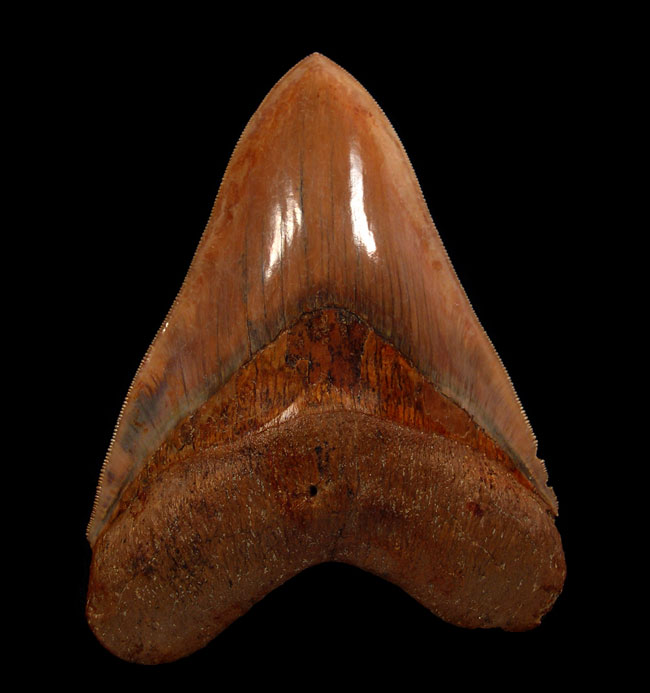
The story of prehistoric oceans is written in stone, sediment, and fossils. Among the most extraordinary records are shark teeth, which preserve not only the anatomy of one of Earth’s most fearsome predators but also the environmental context of their time. The Megalodon tooth in Indonesia, particularly from the Miocene deposits of West Java, provides a fascinating window into ancient seas and the climatic shifts that shaped life millions of years ago. By studying these remarkable specimens, scientists can reconstruct patterns of circulation, water temperature, and even global climate dynamics during a pivotal era of Earth’s history.
Why Indonesia Holds the Key to Miocene Oceans
Indonesia’s unique geological setting makes it a treasure trove for paleontologists. Situated at the convergence of the Indian and Pacific oceans, the region has long been influenced by complex ocean currents. During the Miocene epoch (roughly 23 to 5 million years ago), these currents played a decisive role in distributing heat and nutrients across the globe. Fossils preserved in West Java’s limestone—including Megalodon tooth in Indonesia specimens—allow us to trace these patterns with remarkable clarity.
The tropical conditions and sedimentary environments of Miocene Indonesia preserved shark teeth with extraordinary detail. Unlike other fossil deposits where teeth often suffer from erosion or mineral replacement, the Indonesian finds retain pristine enamel and well-defined serrations. This preservation helps researchers use the teeth not only as paleontological specimens but also as geochemical markers of the ocean conditions in which the sharks thrived.
Megalodon as a Climate Witness
The Megalodon (Otodus megalodon) was an apex predator that ruled the oceans for millions of years. Growing up to 60 feet long with teeth over 6 inches, it relied on warm, nutrient-rich waters. Because of its ecological dominance and migratory behavior, Megalodon serves as an excellent indicator species. When we find a Megalodon tooth in Indonesia, it confirms that these waters once supported a thriving marine ecosystem with temperatures ideal for sustaining such giants.
By analyzing isotopes preserved in the tooth enamel, researchers can estimate sea-surface temperatures of the Miocene seas. For instance, oxygen isotope ratios reveal variations in ocean heat, while trace elements highlight nutrient availability. Together, these data help reconstruct the way warm equatorial waters interacted with cooler polar systems, shedding light on the origin of modern ocean current systems.
Indonesian Fossils and Ocean Currents
The secondary keyword, Megalodon tooth in Indonesia, adds another layer to this story. The discovery of these teeth in West Java confirms that the region was once a hotspot of marine diversity. During the Miocene, tectonic activity and shifting landmasses altered ocean circulation. Narrow straits and shallow seas influenced how warm equatorial currents moved toward higher latitudes.
Incredible fossilized teeth found in Indonesia offer fascinating insights into ecological evolution! Their widespread presence highlights ancient migration routes that reflect today's patterns, indicating that sharks were attracted to the nutrient-rich waters shaped by active ocean currents. This exciting discovery complements geological evidence identifying the Indonesian seaway as a vital “gateway” where Indian and Pacific Ocean waters blend. This vibrant exchange not only illustrates a significant point of biogeographical interaction but also emphasizes its essential role in global climate regulation. It beautifully showcases the deep interconnectedness of marine ecosystems and climate dynamics over time, reminding us of the wonders of our planet's history!
Buried Treasure Fossils and the Appeal of Indonesian Megalodon Teeth
At Buried Treasure Fossils, we share this enthusiasm with collectors and researchers alike. The Indonesian specimens we offer are not only scientifically significant but also aesthetically stunning. West Java Megalodon teeth, in particular, are celebrated for their vibrant colors, pristine enamel, and sharp serrations. Shades of red, gold, blue, and black form breathtaking natural patterns, making each tooth unique.
These teeth are hand-dug from limestone outcrops in West Java, a labor-intensive process that reflects the rarity and value of each specimen. Many exhibit large bourlettes with bold coloration, a feature that distinguishes them from other localities. Their preservation rivals that of Caribbean finds, yet they possess distinctive Indonesian traits that make them highly collectible.
Collectors prize Indonesian Megalodon teeth for their beauty, but the specimens also serve as tangible pieces of prehistoric science. Holding one is like holding a page torn from Earth’s climatic history—a fossilized record of currents, temperatures, and ecosystems long vanished.
The Broader Significance of Miocene Fossils
The insights we gain from fossils like the Megalodon tooth in Indonesia go beyond shark biology. They provide clues to broader environmental questions:
● Climate Fluctuations: Stable isotope analysis reveals cooling and warming cycles during the Miocene, offering parallels to modern climate change.
● Biodiversity Shifts: The distribution of Megalodon teeth alongside whale and dolphin fossils shows how predator-prey dynamics evolved with changing seas.
● Geological Transformations: Fossil deposits confirm the timing of tectonic shifts that closed seaways and altered global circulation.
In other words, Indonesian Megalodon teeth are not just collectibles; they are data points in the vast story of how Earth’s climate system evolved.
Why Collecting These Fossils Matters
For researchers, owning or studying these fossils means direct access to scientific evidence of ancient oceans. For collectors, they represent both natural beauty and a bridge to Earth’s deep past. At Buried Treasure Fossils, we are passionate about making these treasures available to anyone who shares our curiosity. Whether you are an academic researcher, a geology enthusiast, or a marine science student, our carefully curated selection offers specimens that educate and inspire.
Our catalog includes not only Megalodon teeth but also ammonites, trilobites, dinosaur fossils, and rare marine mammal remains. Each piece is authentic, legally obtained, and backed by decades of expertise. We believe fossils should be both accessible and meaningful, helping people connect with the planet’s ancient history.
Conclusion: Fossils That Illuminate Ancient Currents
The Megalodon tooth in Indonesia is more than a fossil; it is a record of Miocene seas, of shifting ocean currents, and of the climates that shaped marine ecosystems millions of years ago. Studying these specimens allows us to unravel the mysteries of ancient circulation patterns and climate shifts that still resonate today. As collectors and scientists alike know, fossils are not static relics—they are storytellers, preserving dynamic histories of life and environment.
At Buried Treasure Fossils, we are honored to share these incredible specimens with those who seek to explore the prehistoric world. Whether your interest lies in academic research, collection, or simple fascination, our Indonesian Megalodon teeth offer a rare and meaningful connection to Earth’s deep-time story. Explore our ever-growing catalog and let these fossils inspire your own journey into the ancient oceans.






