

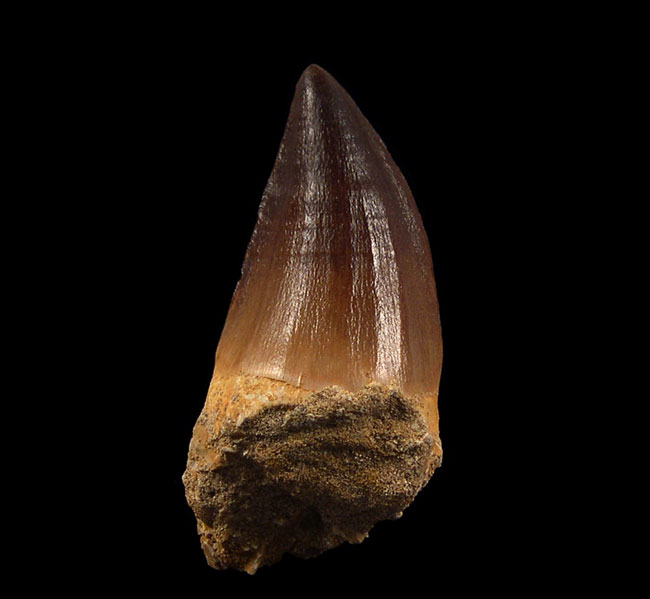
Shark tooth fossils captivate collectors and educators alike, especially when they come from the legendary Megalodon. These massive teeth can measure over six inches long, but with such prestige comes a challenge—distinguishing a megalodon tooth fake vs a real specimen. Interestingly, one of the most reliable ways to verify authenticity doesn’t involve high-tech equipment, but rather the story told by marine sediment layers. By studying the rocks and sands that entombed these fossils for millions of years, we gain powerful clues about whether a tooth is genuine or artificially altered.
Why Sediment Matters in Fossil Authentication
Every authentic fossil has a geological context. Fossils don’t appear randomly—they form in predictable layers of sediment that capture ancient marine ecosystems. When a real Megalodon tooth is unearthed, it comes with subtle markers of its origin: mineral staining, sediment residue, and wear patterns shaped by thousands of years underground. Fake or artificially altered fossils, on the other hand, often lack these details or attempt to mimic them with artificial coatings.
At Buried Treasure Fossils, we rely on this geological backdrop to ensure authenticity. For over two decades, our team has worked with collectors, paleontologists, and enthusiasts to separate fact from forgery, offering only specimens that have passed rigorous checks tied to sediment context and fossil integrity.
Sediment Layers as a Timeline
Sediment layers serve as the pages of Earth’s intricate history book, each stratum unfolding a distinct chapter marked by its unique mineral compositions, varying pressures, and diverse fossil assemblages. The discovery of Megalodon teeth within the ancient marine deposits of the Miocene and Pliocene epochs reveals more than just remnants of a formidable predator; they embody the mineral signatures of those bygone eras, whispering stories of prehistoric oceans rich with life and transformation. Each tooth, worn and weathered, is a tangible connection to a time when these colossal sharks roamed the seas, showcasing the fascinating interplay between geology and the ancient ecosystems that once thrived.
For instance, a tooth buried in phosphate-rich sediments may show deep brown or black coloration, while specimens from sandy coastal deposits might carry lighter hues. This variation is natural and reflects the authentic geological history of the fossil. By contrast, counterfeit specimens often show suspiciously uniform colors or coatings meant to simulate age.
Common Red Flags in Forged Fossils
While sediment clues are critical, additional factors help collectors distinguish real from fake. These include:
● Polishing and Reconstruction: Many counterfeit teeth are ground smooth and polished, removing natural wear patterns and replacing them with an artificial sheen.
● Composite Teeth: Some sellers combine broken fragments of real fossils with resin or plaster to pass them off as whole specimens.
● Unrealistic Origins: If a seller claims a tooth was found in a place without known fossil-bearing formations, it’s a clear warning sign.
By pairing these checks with geological evidence from sediment layers, collectors can confidently judge a megalodon tooth fake vs real.
Mineralization: Nature’s Fingerprint
The fascinating process of mineralization transforms authentic Megalodon teeth over the course of millions of years. During this remarkable journey, the tooth’s organic material is gradually supplanted by a variety of minerals found in the surrounding sediments. These minerals intricately weave themselves into the tooth’s structure, imparting a unique weight and density that resonates with its ancient origins. As a result, each tooth showcases a stunning array of color variations, reflecting the geological history of its environment. This intricate process creates characteristics that are nearly impossible to replicate through artificial means, making genuine Megalodon teeth prized treasures of natural history.
Sediment not only influences color but also reveals whether the mineralization process occurred naturally. A tooth without embedded mineral traces, or one with inconsistent patterns, may point to artificial tampering. This is why fossil experts emphasize the importance of studying both the specimen and the sediments it originated from.
Educational Value for Science Enthusiasts
For science educators and geology enthusiasts, sediment analysis offers more than just a method of authentication—it provides a window into prehistoric oceans. By examining sediment layers, we learn about water depth, temperature, and even the ecosystem Megalodon once roamed. Collectors don’t just hold a fossilized tooth; they hold a piece of an ancient environment.
At Buried Treasure Fossils, we embrace this educational dimension by sharing background details on each specimen’s origin. This transforms collecting into a journey through Earth’s history, making it engaging for both serious collectors and curious learners.
Why Collectors Should Care About Sediment Context
The fossil market is thriving, and with demand comes the risk of deception. Many replicas are sold online as “authentic,” often at prices too good to be true. Understanding the role of sediment layers gives collectors an advantage—it empowers them to ask better questions, evaluate specimens critically, and avoid being misled.
We encourage our community to see sediment context not just as a scientific detail, but as an assurance of value. Genuine fossils hold both monetary worth and educational richness, while fakes strip away both.
Buried Treasure Fossils: A Commitment to Authenticity
Since our founding in 2000, we have built trust with collectors worldwide by prioritizing authenticity and transparency. Every specimen we offer is legally collected and verified against sediment records and other geological markers. Whether you’re browsing our extensive catalog of Megalodon, Otodus, or Great White shark teeth, or exploring dinosaur and mammal fossils, you can count on our expertise and passion for prehistoric treasures.
From exquisite, museum-grade specimens that tell tales of ancient times to budget-friendly options perfect for budding enthusiasts, we strive to make fossil collecting an accessible and enriching experience for all. Our mission transcends mere transactions; it’s about uncovering the wonders of history, igniting a sense of curiosity, and nurturing a passionate love for paleontology that lasts a lifetime. With each fossil, we aim to connect you to a world that has long since vanished, inviting you to explore the mysteries of our planet’s past.
Conclusion: Sediment Layers Hold the Truth
The story of a fossil doesn’t begin in a collector’s case—it begins in the sediment that preserved it for millions of years. By studying marine layers and mineralization patterns, we gain one of the most reliable tools for determining a megalodon tooth is fake vs real. For collectors, educators, and geology enthusiasts, sediment context transforms fossil collecting from a simple hobby into a meaningful exploration of Earth’s history.
If you’re looking for authentic fossils backed by expertise and passion, explore our collection at Buried Treasure Fossils. From Megalodon teeth to ammonites and dinosaur claws, every piece we share carries not only geological authenticity but also the thrill of connecting with life from our planet’s ancient past.






