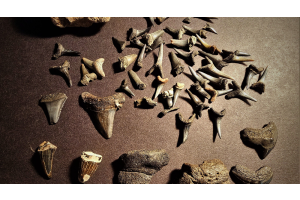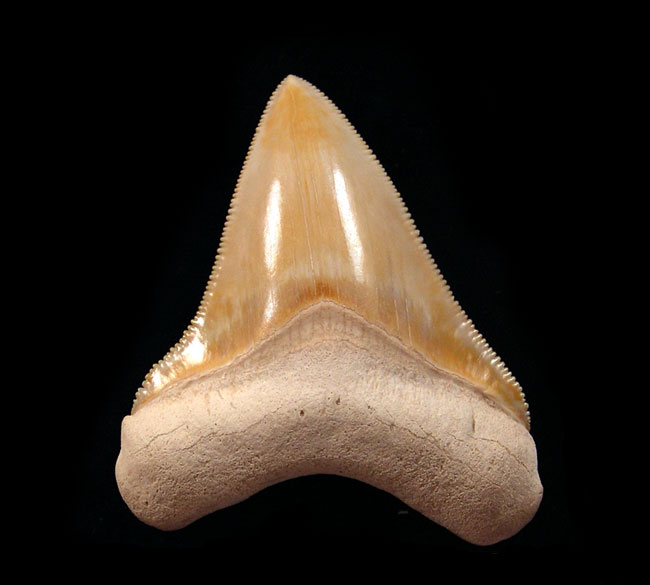
The prehistoric seas once roared with the presence of the mighty Megalodon, the largest shark ever known. Today, the only tangible reminders of these colossal predators are their fossilized teeth—treasures buried in ancient sediments for millions of years. For those eager to explore where to find megalodon teeth in Florida, understanding the science behind how they survived the test of time makes the experience even more rewarding. The state’s phosphate-rich soils and riverbeds have created an environment uniquely suited to preserve these relics of the deep.
Why Florida is a Fossil Hotspot
Florida is one of the richest fossil-hunting regions in the world. Its geological history is tied to warm, shallow seas that once blanketed much of the peninsula. Over millions of years, marine sediments accumulated and hardened into layers that now conceal the remains of prehistoric animals, including whales, dolphins, and, of course, Megalodon. These environments provided the perfect conditions for fossilization: a steady supply of sediment, mineral-rich groundwater, and the protection needed to shield organic material from decay.
Within these deposits lies the renowned Bone Valley Formation, a phosphate-rich region where fossil enthusiasts often uncover shark teeth with remarkable coloration. These sediments not only buried the Megalodon’s teeth but also infused them with minerals that transformed them into durable fossils, ensuring their survival into the present.
The Science of Fossilization
The journey of a Megalodon tooth transforming into stone is nothing short of fascinating, much like the mighty creature it once belonged to! When this powerful shark lost a tooth in the ancient seas, it gracefully drifted down to the ocean floor, beginning a remarkable adventure. While organic remains typically succumb to decay due to the elements, something special was in store for this tooth in Florida's unique sediments.
Here, the tooth was quickly surrounded by fine, protective layers of sediment, shielding it from nature's relentless forces and minimizing its exposure to oxygen. This clever covering slowed the decomposition, allowing time to work its magic. Over thousands of years, mineral-rich groundwater filled with elements like phosphate, silica, and calcite gradually seeped into the tooth's porous structure. This slow but intentional process transformed the once-living material, carefully replacing it with minerals while maintaining the original shape.
The end result is nothing less than a stunning fossil, an incredible testament to the ancient marine life that once roamed our oceans. It’s a beautiful reminder of the past, preserved in stone for future generations to discover and marvel at! What an inspiring story of resilence and change!
This mineral replacement created fossils that are not only resistant to erosion but also strikingly beautiful. Unlike modern shark teeth, which are prone to damage, fossilized Megalodon teeth retain serrations, enamel textures, and even color variations caused by chemical interactions with surrounding sediments.
Florida’s Phosphate-Rich Sediments and Their Role
Bone Valley’s phosphate layers play a key role in the extraordinary preservation of Megalodon teeth. The high phosphate content not only solidifies the enamel but also produces a spectrum of colors—ranging from blues and grays to oranges and browns. These pigments are the direct result of trace minerals interacting with groundwater. That’s why collectors often marvel at the vibrant shades of Florida’s Megalodon teeth compared to darker, less colorful specimens found elsewhere.
This unique preservation process is also valuable to paleontologists. Well-preserved teeth allow scientists to study microscopic details, such as wear patterns, which reveal feeding habits and hunting behavior. Every tooth is a record of an apex predator’s life millions of years ago.
Collecting Megalodon Teeth Responsibly
Many fossil enthusiasts are drawn to Florida for the chance to discover these treasures themselves. For those wondering where to find megalodon teeth in Florida, rivers like the Peace River and creeks cutting through the Bone Valley region are prime spots. However, fossil hunting should always be approached responsibly. Florida requires permits for collecting vertebrate fossils on public lands, and private property access must be respected. Responsible collecting ensures that these natural wonders remain available for education and appreciation for years to come.
At Buried Treasure Fossils, we share the same passion for responsible collecting. Every specimen we offer is legally and ethically sourced, ensuring authenticity while protecting fossil-rich environments. This commitment allows collectors and educators alike to enjoy fossils without worry.
Why Megalodon Teeth Capture Our Imagination
Megalodon teeth are more than just fossils; they are symbols of power, scale, and deep time. Measuring up to seven inches long, these teeth hint at a predator estimated to reach lengths of 50 to 60 feet. Their serrated edges demonstrate a design perfected for slicing through the flesh of whales and large fish. When you hold one in your hand, you’re literally touching a weapon that ruled oceans 3.6 million years ago.
Beyond their dramatic size, Megalodon teeth are scientifically valuable. Their size and shape provide estimates of Megalodon’s growth rates, population ranges, and evolutionary adaptations. Each specimen is a piece of a much larger puzzle, helping paleontologists reconstruct the ecology of ancient seas.
What Sets Florida Megalodon Teeth Apart
Florida’s Megalodon teeth stand out for their exceptional preservation and vivid coloration. While teeth from the Carolinas are often jet black, those from Bone Valley are frequently lighter and more colorful due to phosphate minerals. Collectors value these unique traits, making Florida fossils some of the most sought-after in the world.
For educators, these teeth are invaluable teaching tools. Their condition allows students to study details like enamel ridges and serration wear, sparking curiosity about geology, biology, and evolutionary history. For enthusiasts, the beauty of a well-preserved Florida specimen makes it both a scientific artifact and a natural work of art.
The Secondary Fossils of Florida
Though Megalodon teeth often capture the spotlight, Florida's fossil beds are treasure troves of ancient life, revealing a diverse array of fossils, including ammonites, remnants of marine mammals, and various other shark species. These fascinating discoveries weave together a more intricate tapestry of prehistoric ecosystems, offering valuable insights into the complex interplay of life beneath the waves. They illuminate the significant role that Megalodon occupied within its environment, showcasing the intricate predator-prey dynamics that shaped the vibrant, yet perilous, world of ancient oceans.
At Buried Treasure Fossils, we meticulously curate a diverse array of specimens, striving to unlock and share the captivating narratives of our planet's ancient past. From the imposing, serrated edges of a colossal Megalodon tooth to the intricate, swirling patterns of a delicate ammonite, each fossil serves as a tangible link to a world that once thrived, allowing us to glimpse the mysteries of life long gone. These remarkable remnants resonate with the awe of scientific discovery, breathing life into the stories etched in stone, and inviting all to explore the wonders of Earth's history.
Conclusion: Ancient Teeth, Modern Wonders
Florida’s sediments, rich in phosphate and minerals, have done more than bury shark teeth—they have preserved an extraordinary story of life and survival. Understanding where to find megalodon teeth in Florida is only the beginning; learning how these sediments transformed them into enduring fossils deepens our appreciation for both science and nature.
For fossil enthusiasts, educators, and collectors, these teeth are not just prehistoric relics but teaching tools and sources of inspiration. At Buried Treasure Fossils, we’re passionate about sharing these ancient treasures responsibly, making them accessible to anyone fascinated by Earth’s history. If you’re ready to hold a piece of prehistory in your hands, explore our carefully curated collections and discover fossils that carry the weight of millions of years.