Few relics from Earth’s prehistoric past capture attention like the massive, serrated teeth of the Megalodon. For fossil collectors and marine enthusiasts, these teeth aren’t just remnants—they’re keys to understanding the dominance of this ancient predator. We’ve seen firsthand how a megalodon tooth fossil dwarfs teeth from modern sharks like the great white and mako, revealing powerful clues about evolution, hunting behaviors, and ecological dominance.
Let’s explore how these toothy giants measure up against today’s fiercest ocean dwellers.
Megalodon Tooth Size: A Jaw-Dropping Comparison
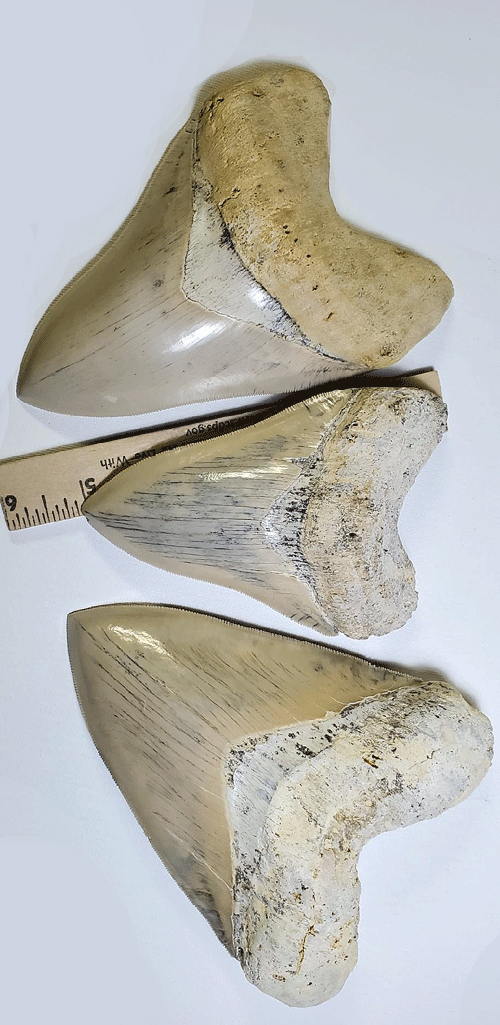
The most defining feature of the Megalodon—Otodus megalodon—is its colossal teeth. On average, a megalodon tooth fossil measures between 4 and 6 inches long. Exceptional specimens even exceed 7 inches. To put that into perspective, that's about the size of a human hand or larger—substantially more massive than anything found in modern sharks.
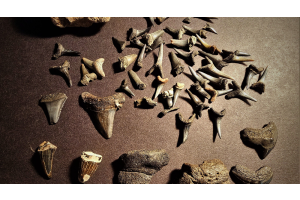
In contrast, a fully grown great white shark—one of today’s most feared ocean predators—sports teeth averaging 2 to 2.5 inches in length. Mako shark teeth, known for their pointed, blade-like shape, are even smaller, generally ranging from 1 to 1.5 inches. When placed side by side, the Megalodon’s teeth look more like primitive tools or weapons than anything biological.
This stark difference in scale illustrates how truly dominant the Megalodon was in its environment. The massive size of the teeth directly corresponds to the enormous size of its body, which researchers estimate to have reached up to 60 feet in length.
Shape and Structure: Serrated Blades vs Sleek Spears
Size isn't the only factor that sets Megalodon teeth apart. The shape and structure tell us even more about feeding behavior and ecological role. Megalodon teeth are thick, broad, and heavily serrated, resembling a serrated butcher knife. These features indicate the Megalodon wasn’t just a predator—it was a bone-crushing powerhouse capable of taking down large whales. The wide roots and robust crown structure were made to endure immense pressure, whether snapping rib cages or severing vertebrae.
Compare this to great white shark teeth, which are triangular and serrated but more streamlined. Great whites also have teeth designed for cutting through flesh, but they’re relatively slimmer and less rugged than Megalodon’s. They are specialized for slicing through prey like seals or tuna, not massive marine mammals.
Mako shark teeth present another contrast. These are narrow, conical, and smooth-edged—optimized for gripping and impaling fast-moving prey like swordfish or smaller sharks. The lack of serration in mako teeth reveals a diet focused on agile fish rather than larger, slower-moving marine mammals.
Feeding Habits: What the Teeth Reveal About Diet
To understand how Megalodon fed, all you need to do is examine a megalodon tooth fossil. The immense size and rugged design make it clear that this shark hunted on a completely different scale than modern sharks. Fossil evidence shows bite marks from Megalodon teeth on ancient whale bones, often targeting the chest cavity where the heart and lungs were. This suggests a strategic, powerful attack style—ripping open thoraxes and breaking bones. It was built to incapacitate massive creatures quickly and efficiently.
On the other hand, modern great whites rely on precision and stealth. They often attack from below, ambushing seals or sea lions with swift bites before retreating. Their teeth do the job, but they aren’t built for the same brute force destruction that Megalodon’s were. Mako sharks, with their sleek bodies and spear-like teeth, pursue smaller, faster fish. They rely on speed rather than overwhelming force, and their teeth reflect that specialization. Their hunting style is more akin to piercing and swallowing, not tearing apart.
Evolutionary Significance: The Megalodon’s Legacy
A megalodon tooth fossil doesn’t just show us how large or powerful the creature was—it also sheds light on the evolutionary journey of sharks. These teeth represent an apex predator that pushed marine evolution forward. Prey species evolved defensive behaviors, migration patterns changed, and ecosystems adapted to the Megalodon’s reign. As Megalodon disappeared around 3.6 million years ago—possibly due to cooling oceans, prey scarcity, or increased competition—its ecological role was eventually filled by smaller sharks like the great white. But nothing since has matched its combination of size, strength, and dominance.
Studying Megalodon teeth gives us direct evidence of these shifts. We can trace how shark teeth evolved in response to environmental changes and prey availability. Even the shape of modern shark teeth retains echoes of their ancient predecessors—adapted for survival in an ever-changing ocean.
Collectibility and Fossil Features: What Makes a Tooth Valuable?
When assessing shark teeth for fossil collection, Megalodon teeth hold special value not only due to size but also condition and color. A well-preserved tooth—root intact, sharp serrations, no major cracks—can be a significant collector’s item. Color variations, caused by mineral content in the sediment where the fossil was buried, add uniqueness. Modern shark teeth, while fascinating and collectible, do not command the same prestige. Great white and mako shark teeth are more common and less massive. Their market value is typically lower, though rare finds or perfectly preserved specimens still hold appeal.
For those interested in starting or expanding a fossil collection, distinguishing authentic Megalodon teeth is key. As shared in expert tips on identification, look for features like robust root structure, high enamel luster, and defined serrations. Tooth symmetry and curvature can also hint at where in the jaw the tooth was located.
Conclusion: Why the Megalodon Tooth Remains a Fascinating Relic
No other shark tooth evokes the same mix of awe and intrigue as a megalodon tooth fossil. Its massive size, serrated strength, and fossilized beauty reveal a predator that once ruled the seas with unparalleled dominance. When compared to modern sharks like the great white and mako, the differences in size and structure speak volumes about feeding power, evolutionary significance, and ecological strategy.
Whether you're a seasoned collector or a curious enthusiast, exploring these differences deepens your appreciation for the prehistoric oceans. The Megalodon tooth isn't just a piece of ancient history—it's a direct connection to a time when the seas belonged to something much larger, faster, and more powerful than anything swimming today.
And if you’ve ever held one of these fossils in your hand, we’re sure you’ve felt the difference—one that continues to captivate scientists, collectors, and adventurers around the world.
Discover authentic Megalodon teeth and expand your fossil collection with pieces that tell the story of prehistoric ocean dominance.