

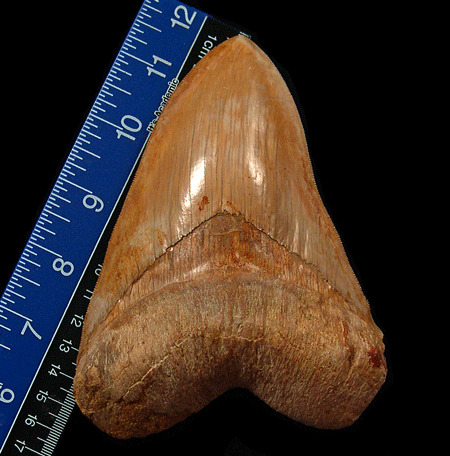
Collectors search for fossils that possess both visual appeal and historical significance. Few specimens attract attention the way Megalodon teeth do. These teeth belong to one of the largest predators that ever roamed the oceans. Among fossil enthusiasts, one question rises above the rest—how big is a megalodon tooth? Many believe that six-inch teeth appear frequently, but the truth paints a different picture. Most collectors discover that size alone does not tell the whole story. Let’s explore what makes specific sizes more valuable, why they remain in demand, and how to evaluate one before making a purchase.
Let’s explore more detailed information:
Average tooth sizes reveal a collector’s starting point
Megalodon teeth display a wide range of sizes, and most fossils available today fall between three and five inches. These sizes already stand out compared to modern shark teeth. The most significant known specimen measures just over seven inches. That tooth remains in a class of its own and is rarely made available to the public market. Teeth measuring between five and six inches are still considered rare and desirable. When a collector finds one that measures six inches or more with minimal damage, they know they have found a standout piece. That size alone often signals serious value to experienced buyers.
Six-inch teeth set the gold standard in collecting
Size does more than fill a display case. It sends a message. A Megalodon tooth that reaches six inches instantly draws attention. Collectors recognize this size as a milestone. It marks a shift from casual collecting into something more exclusive. Most buyers who hunt for six-inch teeth do so with long-term goals in mind. They want investment pieces. They want conversation starters. These teeth hold a deeper appeal because they combine history with a sense of presence. Owning one shows dedication, research, and timing. Not every collection includes one, and that makes the chase even more rewarding.
Quality matters more than just measurement
You cannot measure value solely by size. A six-inch tooth with chipped enamel or worn edges may lose its appeal quickly. Collectors look for complete root integrity, sharp serrations, and clean enamel when they evaluate fossils. Some smaller teeth with near-perfect preservation outperform larger but flawed ones. Buyers often compare multiple listings before making a decision. They take time to study the condition and color. They ask sellers for details. This careful process separates serious buyers from casual ones. The right combination of features creates long-term value that goes beyond numbers.
Tooth origin adds another layer of importance
Where a dig team finds a Megalodon tooth often affects its value. Different regions produce different preservation patterns and color tones. Teeth from North Carolina tend to exhibit darker hues, while those from Florida usually appear lighter. Teeth from Peru or Chile may exhibit vibrant mineral deposits or distinctive wear patterns. These regional differences help collectors connect with the story behind each tooth. A six-inch tooth from a rare site adds more meaning. When condition and origin align, a fossil becomes more than a collectible. It becomes a documented piece of prehistoric geography.
Rarity and buyer activity currently define market value
You will find most Megalodon teeth in the four to five-inch range. These remain popular and widely collected. Once a tooth moves beyond five and a half inches, it enters a smaller circle. Buyers know these teeth carry added value. If you wonder how big a megalodon tooth is that truly stands out, the six-inch mark provides that answer. At that point, demand often outweighs supply. These teeth sell quickly and draw repeat interest from returning buyers. Many collectors track new listings and watch for the one piece that checks every box. This size often completes a serious collection.
Demand continues to shape what collectors chase
Current buying trends indicate a strong preference for teeth in the upper size range. Many buyers search specifically for pieces between five and six inches. These teeth offer visual strength and long-term potential without entering the top-tier price category. Collectors often begin with smaller specimens before moving into this range. By then, they understand how to judge features and origin. These buyers act fast when they find the right piece. They ask fewer questions and check known sellers with confidence. That pace keeps demand steady and maintains high inventory turnover.
Display impact drives size preferences in collections
Collectors seek fossils that are immediately noticeable. A six-inch Megalodon tooth delivers that impact. It stands taller, appears broader, and features serrations that are visible from a distance. Whether placed on a shelf or framed on a wall, it holds the viewer’s eye. Even non-collectors stop and ask about it. This display of power helps explain why larger teeth continue to gain interest. Serious collectors want that one piece that tells the entire story. They choose size as the lead feature, then work back to quality and color. Every collection needs an anchor.
Buyers learn to ask the right questions over time
New buyers often start with excitement and curiosity. Over time, they learn how to ask better questions. They request close-up photos. They ask about restoration. They check the edges and inspect the roots. Once they understand what to look for, they become more confident in their buying process. Most experienced buyers treat a six-inch tooth as a serious acquisition. They are aware of how few exist in top condition. They study listings carefully and move quickly when the right one appears. Their habits help shape a market that rewards attention to detail.
Astute collectors study size but make their choices based on features
If you want to find the right Megalodon tooth, you should begin with size, but not stop there. Compare preservation. Examine serrations and shape. Ask about the digging location. Consider how the tooth looks under natural light. Look for balance and integrity. Sometimes, a five-and-a-half-inch tooth in perfect shape wins over a larger tooth with flaws. Value comes from the whole picture. If you apply that mindset to each fossil, you will find better pieces. Every substantial collection starts with research. Every wise purchase begins with the right questions.
Final Thoughts
So, how big is a megalodon tooth worth collecting? You will usually find strong fossils between four and five inches. These sizes cater to most collectors and still retain plenty of character. Teeth that cross the six-inch range carry more substantial value due to their rarity and display impact. Collectors often treat these teeth as final pieces or long-term investments. The best ones offer more than size. They bring together color, condition, and origin in one clean form. If you aim to own a fossil that tells a complete story, a six-inch Megalodon tooth may be the right choice.
Footnote
Fossils above six inches remain extremely rare and represent less than one percent of Megalodon teeth ever discovered, which makes them powerful additions to any serious collection.






