

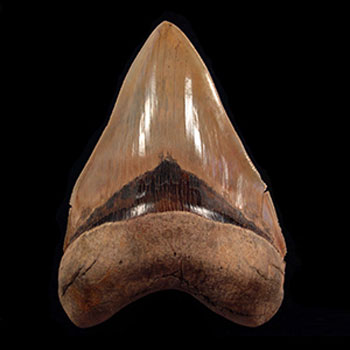
Collectors know the feeling. Holding a real Megalodon tooth brings raw history into your hands. When you decide to buy one online, you need to know what to look for. Many sellers flood the market with replicas that look polished and perfect. Serious buyers see past the surface. They want real fossils with visible age, natural details, and a clear backstory. If you came here searching for a real megalodon tooth for sale, this guide walks you through what matters. You want the real thing. Here’s how you find it.
Let’s explore more detailed information:
How to Tell If a Megalodon Tooth Is Real?
Start by examining the root and surface texture. Authentic fossils exhibit signs of erosion and natural aging. You will notice surface pitting, cracks in the enamel, and color variations caused by minerals in the soil. These traits confirm the fossil came from the ground, not a mold. Teeth from different locations hold different tones. Indonesian fossils often show brown or orange shades. Those from South Carolina may appear black. The tooth’s surface should not look smooth or glassy. Look for imperfect patterns and a natural enamel finish that cannot be faked.
What Drives the Price of a Real Tooth?
Size matters. Bigger teeth attract higher prices, but only when they hold good structure. A six-inch tooth with clean edges and sharp serrations usually brings more value than a longer one with cracks or missing pieces. Collectors pay more for multicolored fossils or ones with rare shades. The dig site also affects the price. Fossils from Shark Tooth Hill and Peru often rank higher due to their exceptional preservation. Remember to match the price with the condition. Never assume size tells the whole story. The small details usually separate average finds from collector pieces.
Why Do Serious Collectors Choose Verified Sellers?
Experienced collectors choose their sellers carefully. They want clear photos, honest descriptions, and transparent details about the fossils. A good seller shares size, weight, dig site, and any visible flaws. If a listing hides parts of the tooth or avoids mentioning repairs, walk away. Serious sellers highlight imperfections. They want you to understand precisely what you will get. They offer returns because they stand behind their products. Look for sellers who treat each fossil as a piece of history, not just a transaction. You deserve complete confidence when making a purchase.
Megalodon Tooth Size Chart for Beginners
Tooth length often sets expectations. Most Megalodon teeth fall between three and five inches. Those in the four-inch range offer an excellent balance for new collectors. When you reach five inches or more, the fossil moves into rare territory. Anything six inches and above enters a league of its own. Many buyers searching for a real megalodon tooth for sale often look beyond length. Serious collectors focus on more than size. Width also tells a story. Wide teeth likely came from the shark’s front jaw and show a stronger structure. Check for symmetry and serration edges. These traits help you spot a valuable fossil from an average one.
Answering the Questions Buyers Don’t Always Ask
Price often raises doubts. Is $800 too much? Not if the fossil checks the boxes. A five-inch tooth with sharp serrations and no repairs holds long-term value. If you find a three-inch tooth with heavy restoration at the same price, question it. Think about the story behind the tooth. Did the seller confirm the location and features? Will the tooth hold its value if you sell it later? Keep that documentation safe. It helps prove authenticity. Also, watch the color. Fossils change based on the sediment in which they rested. No two real teeth look the same.
How to Avoid Buying Replicas Online?
Scammers rely on polished listings and perfect-looking teeth. You must stay alert. Ask for raw photos taken in natural light. View the tooth from multiple angles. If everything looks too smooth or shiny, you may be dealing with a replica. Real teeth show age. They carry marks, lines, and rough edges. If a seller avoids discussing flaws or talks only about perfection, move on. Trust grows when a seller values transparency. Some teeth undergo restoration, which can still retain their value and function. The key lies in honest disclosure. You need to know precisely what you buy.
What Collectors Look For in Authenticity?
Collectors rely on more than looks. They examine every edge, measure the base, and note the wear on the root. They value sharp serrations, original enamel, and visible signs of aging. A real tooth should feel solid and carry weight—touch matters. Texture and balance often give away authenticity. Glossy finishes or perfect symmetry are rarely found in fossils. Instead, trust the irregularities—every fossil forms under pressure, sediment, and time. No machine can recreate that. When you learn to spot these clues, you gain an eye for fossils that tells you what to collect and what to avoid.
Why Is This Purchase an Investment?
When you buy a real Megalodon tooth, you collect more than a relic. You invest in something that holds history and value. Authentic fossils retain their value when stored and appropriately documented. They tell a natural story that deepens over time. If you choose carefully, your tooth may rise in value. Think about who you buy from, how they present the fossil, and what proof they offer. This is not a passing trend. This is a journey into collecting. Real fossils earn their place on display and bring meaning with every layer.
Final Thoughts
If you search for a real megalodon tooth for sale, trust the process. Begin with knowledge. Ask questions. Compare listings. Examine the fossil’s texture, condition, and size. Choose sellers who treat fossils with respect. Walk away from vague descriptions and too-good-to-be-true claims. The right tooth will stand out because it shows its past, not just its shape. When you choose wisely, you don’t just get a fossil. You own a fragment of nature’s power. Take your time. Buy with clarity. And when you finally hold it, you’ll understand the legacy it carries.
Footnote
Megalodon teeth develop unique colors and textures based on their burial site. Study those signs before you buy to confirm authenticity and support thoughtful collecting.






