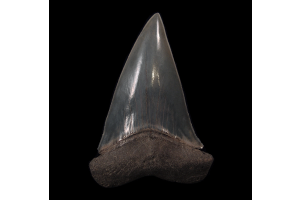
Collectors often find themselves questioning the authenticity of the fossils they purchase. As demand increases, so do the chances of receiving specimens with unclear origins or signs of restoration. This leads to confusion and hesitation, especially for those trying to build a fossil collection based on trust and accuracy. One region continues to stand out for those who want to buy fossils with confidence. If you are searching for an authentic Megalodon tooth in West Java, you may be closer to the answer than you think. This area has become a trusted location for natural, traceable finds.
Why Region Matters in Fossil Collecting?
Experienced collectors understand that a fossil’s value increases when its origin is known. They want more than a tooth. They want context. Fossils found in regions with stable geological conditions tend to maintain better structural detail. West Java produces teeth that show signs of long-term mineral interaction. The soil in this region often supports preservation without the level of erosion seen in river sites. That makes a difference when comparing fossils. Teeth from West Java typically exhibit consistent features that enable buyers to verify their authenticity and feel confident in their purchase.
What Makes West Java Teeth Worth Attention?
Fossils from this region exhibit distinct visual characteristics. These features provide useful indicators that help separate naturally preserved teeth from altered or synthetic ones. Many collectors recognize West Java pieces by their distinct tone, condition, and surface detail.
● Teeth often exhibit dark mineral staining, including shades of black or brown, which is shaped by sediment exposure over millions of years.
● Enamel typically holds a smooth texture without unnatural shine, which suggests limited restoration or tampering.
● Root structures remain stable and firm, which supports the idea that the tooth experienced minimal movement during fossilization.
● Serrations, when visible, appear natural and not retooled or reshaped by modern tools.
Avoiding the Common Pitfalls in the Market
Buyers often encounter listings with unclear descriptions and no indication of the fossil’s origin. These gaps lead to doubt. That is where fossils from West Java stand out. Collectors who study enough teeth from this area begin to notice repeating patterns. These patterns include surface texture that reflects long-term preservation and color schemes that align with the surrounding geology. This gives the buyer something concrete. They do not have to guess. Instead, they can evaluate the tooth using details that point toward authenticity. Over time, these signs become easier to spot and trust.
How West Java Compares to Other Regions
Many known Megalodon fossil sites are located on riverbanks, in deserts, and in offshore deposits. Each has its own signature. Teeth from Florida often exhibit heavy wear due to river movement. Fossils from Peru may show bright coloration due to chemical exposure during preservation. West Java teeth usually avoid both extremes. The region’s climate and soil allow for more complete conservation. A Megalodon tooth in West Java often retains enamel ridges and root integrity that other regions struggle to preserve. Buyers who compare across regions begin to appreciate how West Java offers a different type of fossil. Although it may not be the most common source, it continues to gain a reputation.
Tips to Identify Reliable West Java Specimens
Buyers can protect their investments by knowing what to look for. Some signs offer strong clues about authenticity and condition. Collectors who follow these checks often avoid mistakes and build better collections.
● Look for teeth with clear, mineral-rich tones that do not appear polished or artificial.
● Examine the enamel edges for natural curves and tips that show honest wear.
● Avoid specimens with seams or layers that indicate possible reassembly or bonding.
● Ask for basic source details whenever possible, such as the region or the collection layer.
These steps help filter out restored or misrepresented fossils.
The Role of Trust in Fossil Collecting
A collector often builds trust not just in the product, but in the process. When a seller offers precise details, shows the specimen in multiple angles, and explains the region it came from, that helps the buyer feel more at ease. Fossils from West Java support that trust. They show consistency. Collectors who receive a West Java specimen often comment on the natural surface feel, the solid root preservation, and the deep, unforced coloration. These impressions stay with the buyer. Over time, they begin to favor these fossils because they represent what a true find should look like.
Why Do Serious Collectors Now Focus on West Java?
People who collect fossils do not chase trends seriously. They look for substance. West Java has started to attract more attention from these collectors for specific reasons. It offers traceable sourcing. It provides teeth that often remain in their original state. It brings something different to the table when compared to more commercial sites. As more collectors share their finds from West Java, the region’s value continues to rise. Buyers now treat it as a dependable option. They know that when they look here, they increase their chances of finding something both honest and memorable.
Final Words
The fossil market continues to grow. With that growth comes responsibility. Buyers must learn how to evaluate each specimen based on condition and context. West Java gives them a helpful benchmark. The region allows collectors to compare, inspect, and feel more certain about their purchases. Those who look for a Megalodon tooth in West Java often discover that the search ends with clarity, not confusion. They hold something that reflects both time and truth. That experience builds confidence, and that confidence shapes better collections in the long run.
Footnote
Collectors highly seek after fossils from West Java due to their natural preservation, distinct coloration, and region-specific clues that support authenticity without relying on artificial enhancements.