

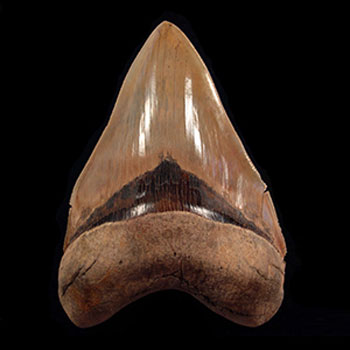
The ocean has always been a place of mystery, hiding stories of creatures that once dominated its depths. Among the most awe-inspiring relics are real megalodon tooth fossils, prized not only by collectors but also by scientists seeking to unravel the secrets of prehistoric seas. Found across multiple continents, these fossilized treasures paint a vivid picture of ancient ecosystems and the immense predator that once ruled them. From Florida to Chile and even the fossil-rich Sharktooth Hill in California, each site reveals a chapter in the incredible saga of the megalodon’s global dominance.
Why Megalodon Teeth Matter
Megalodon teeth are not just oversized shark fossils; they are fascinating remnants of an incredible predator that once dominated our oceans! Their unique shape, razor-sharp edges, and impressive lengths—sometimes reaching over 7 inches—offer valuable insights into the feeding habits and evolution of this magnificent giant. Unlike bones, which rarely survive the test of time, shark teeth are commonly found since these amazing creatures continuously shed and regenerate them. This incredible process enables scientists to uncover migration patterns, estimate growth rates, and appreciate the megalodon’s significant role in ancient marine ecosystems. Isn’t it amazing how much we can learn from these remarkable teeth?
At Buried Treasure Fossils, we share this passion for discovery. Our collection of legally sourced shark teeth, including specimens from legendary sites, helps collectors and enthusiasts connect with the very history of our planet.
Florida: A Fossil Hunter’s Paradise
Florida is one of the most well-known hotspots for megalodon teeth. Millions of years ago, much of the state was submerged under shallow seas that provided ideal breeding and feeding grounds for giant sharks. Today, rivers like the Peace River and coastal areas frequently yield teeth in a range of sizes and conditions. Many discoveries suggest that these waters were nurseries, where young megalodons thrived before venturing into the open ocean.
Collectors in Florida often uncover not only megalodon fossils but also teeth from Great Whites, Makos, and other extinct sharks, reflecting the diversity of prehistoric marine life in the region.
Sharktooth Hill, California: A Treasure Trove of History
Few places excite fossil hunters as much as Sharktooth Hill in California’s Central Valley. Dating back to the Miocene epoch, this site has produced one of the largest concentrations of fossil shark teeth in the world. Scientists believe that millions of years ago, the area was a marine basin teeming with sea life, including whales, seals, and, of course, massive sharks.
What makes Sharktooth Hill remarkable is the sheer density of fossils—it’s not unusual for collectors to find hundreds of teeth within a relatively small area. These discoveries provide compelling evidence of how ancient seas supported vast populations of predators, reinforcing the megalodon’s role as apex hunter.
Chile and Peru: Giants of the Southern Seas
The coasts of Chile and Peru boast some of the most remarkable megalodon fossil discoveries in the world. These regions, once awash with nutrient-rich waters, nurtured thriving populations of whales and large marine mammals, creating an ideal hunting ground for the formidable megalodon. The teeth unearthed in these areas are not only massive but also exceptionally well-preserved, making them highly coveted treasures for collectors and enthusiasts alike.
From a scientific perspective, these South American finds highlight the global range of the megalodon, proving that this shark was not confined to one region but was instead a true ruler of the world’s oceans. The southern hemisphere’s fossils show how adaptable these predators were, thriving in both temperate and tropical seas.
North and South Carolina: Coastal Fossil Goldmines
The Carolinas are renowned for their extraordinary fossil beds, making them a treasure trove for paleontology enthusiasts. Exceptional megalodon teeth frequently resurface thanks to the dynamic forces of rivers, beaches, and offshore dredging projects. Once submerged, North Carolina's Blackwater rivers and South Carolina's coastal plains have since transformed into a fertile marine environment, brimming with prehistoric significance.
These sites yield not only shark teeth but also fossils of whales and dolphins, the very prey megalodons targeted. For paleontologists, these locations are invaluable, offering direct evidence of predator-prey dynamics from millions of years ago.
Lessons from Ancient Seas
Each real megalodon tooth uncovered tells a story of survival, adaptation, and extinction. They reveal:
● Migration Routes: Fossils found worldwide suggest megalodons followed whale populations across oceans.
● Climate Clues: The distribution of teeth across latitudes indicates that megalodons thrived in warm waters but could adapt to cooler conditions.
● Extinction Insight: The eventual disappearance of megalodons around 3.6 million years ago aligns with changes in ocean temperatures and prey availability, offering a cautionary tale about how environmental shifts affect even the mightiest predators.
Why Collecting Fossils Matters
For fossil hunters, geologists, and adventure enthusiasts, finding a megalodon tooth is more than a lucky break—it’s holding a tangible piece of Earth’s prehistory. Each tooth is a testament to life’s resilience and the mysteries still buried beneath our feet (and waters).
At Buried Treasure Fossils, we make these prehistoric wonders accessible. Whether you’re a beginner looking for an entry-level specimen or a seasoned collector seeking a rare South American find, our catalog guarantees authenticity and offers educational context so that every purchase is both exciting and meaningful.
Conclusion: Bringing Prehistoric Oceans to Your Collection
From Florida’s rivers to Sharktooth Hill’s fossil beds and the dramatic coasts of Chile, the discovery of megalodon teeth continues to inspire curiosity about our planet’s past. Every real megalodon tooth in our collection bridges the gap between ancient oceans and modern hands, reminding us of the incredible forces that shaped marine ecosystems. If you’re ready to hold a piece of history and deepen your connection to the natural world, explore our diverse selection of fossils and let your next discovery transport you back millions of years.






