

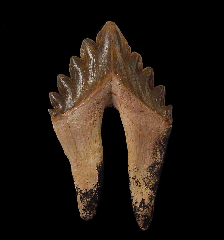
Millions of years ago, Earth’s oceans were home to one of the most formidable predators ever known—the megalodon. Its size, estimated to reach over 60 feet, makes even today’s great white shark look modest. The fossilized remains of these colossal creatures carry a history written in enamel and serrated edges. Collectors and enthusiasts often marvel at the rarity and elegance of these fossils, and one of the most fascinating finds is the Georgia Megalodon tooth, which carries within it both geological intrigue and prehistoric mystery.
These fossils are not simply relics—they are storytellers, preserving fragments of the ancient seas. To understand their significance, one must examine the natural forces that created them, the regions where they are found, and the cultural curiosity they inspire.
The Oceans Where Giants Swam
Imagine an ocean teeming with massive predators, schools of fish, and early forms of whales. This was the world during the Miocene and Pliocene epochs, spanning roughly 23 to 3.6 million years ago. Megalodons dominated these waters, feeding on large marine mammals and shaping the food chain. Their presence alone altered migration patterns and dictated survival strategies for countless marine species.
The teeth that remain today are more than fossils; they are echoes of a vanished ecosystem. Their immense size—some exceeding seven inches—offers tangible proof of a creature that ruled its environment with precision and strength. For paleontologists, each tooth provides clues about the animal’s diet, growth stages, and hunting methods.
Why Georgia Holds Hidden Treasures
Coastal regions of the southeastern United States are known to harbor remarkable fossil beds, and Georgia is no exception. Its ancient river systems and coastal plains create natural environments for preserving fossils. Over millennia, sediments layered upon marine remains, safeguarding them until they were unearthed by shifting waters or careful excavation.
Collectors often find Georgia teeth in riverbeds, creek banks, and coastal deposits. The unique coloration of these fossils—shades of brown, gray, or even orange—reflects the minerals in the surrounding soil, making each specimen distinctive. These colors tell their own story, revealing how geology and environment have shaped the fossil over countless years.
The Allure of Collecting
For fossil enthusiasts, there is something deeply rewarding about holding a piece of history that predates humanity by millions of years. Collecting megalodon teeth is both a scientific pursuit and a personal adventure. Each find connects the collector to ancient oceans, sparking wonder about the life and times of the massive shark.
Some are drawn to the aesthetics—the symmetry, serrations, and colors—while others focus on the science behind each tooth. Regardless of motivation, one thing remains certain: these fossils are tangible links to a natural world we can never revisit.
How Scientists Interpret Fossil Clues
Paleontologists rely heavily on teeth when studying megalodons because skeletal remains are rarely preserved. Teeth, composed of durable enamel, withstand time far better than cartilage. By analyzing the size and wear of a tooth, scientists can infer not only the shark’s diet but also its age and even its geographic range.
For example, smaller teeth may indicate that juvenile sharks lived closer to shore, where food sources were abundant and waters were safer from larger predators. Larger teeth, often recovered from offshore locations, imply mature sharks that hunted massive prey, such as whales. Such interpretations transform these fossils from static relics into dynamic evidence of ancient life.
Fossils as Windows Into Climate History
Beyond the story of the shark itself, megalodon teeth also offer insights into ancient climate conditions. Trace elements preserved in fossilized enamel can indicate ocean temperatures from millions of years ago. This information helps scientists understand long-term climate patterns and how marine ecosystems respond to change.
By studying teeth from various regions, researchers can piece together the puzzle of ocean circulation, sea levels, and even extinction events. These clues remind us that the story of a fossil extends beyond the creature—it is also about the planet that sustained it.
The Georgia Megalodon tooth as a Collector’s Jewel
Midway through the fossil-collecting journey, it is impossible to overlook the significance of the Georgia Megalodon tooth as a prized find. Its geological context gives it distinctive hues and character that collectors cherish. Unlike mass-produced replicas, an authentic fossil carries individuality. Each groove, chip, and shade of color reflects both the shark’s life and the environment that preserved it.
For those who pursue fossil hunting in Georgia’s waterways, the experience is more than recreational. It blends patience, curiosity, and respect for the natural world. Finding such a tooth becomes not only an achievement but also a direct connection to a past that shaped today’s oceans.
The Ethical Side of Fossil Hunting
While fossil collecting brings fascination and joy, it also raises important ethical questions. Not all regions permit fossil collection, and many sites are protected to preserve scientific integrity. Enthusiasts are encouraged to research local regulations and respect protected areas.
Ethical collecting ensures that future generations can continue to enjoy the thrill of discovery and that scientific study remains a viable option. Responsible handling also preserves the cultural and natural significance of these fossils, preventing them from being reduced to mere commodities.
Cultural Significance of Ancient Shark Teeth
Throughout history, shark teeth have held symbolic meaning. Indigenous communities once used them as tools, jewelry, or talismans, believing they carried protection and strength. Today, they continue to inspire awe, often crafted into necklaces or displayed as centerpieces in collections.
The megalodon tooth, with its sheer size and form, represents more than a fossil—it embodies resilience and ancient power. For modern collectors, owning such a specimen feels like preserving a fragment of natural history within their personal space.
Why These Fossils Continue to Inspire
Even in an age of advanced technology and exploration, fossils remind us of mysteries that science cannot fully explain. The extinction of the megalodon, for instance, remains a topic of debate. Some argue that changing climates played a role, while others point to competition from smaller, faster predators.
What remains certain is that megalodon teeth fuel our imagination. They connect us with an era of giants and inspire us to continue exploring, learning, and respecting the ancient Earth.
A Lasting Connection to Ancient Oceans
As fascination with fossils grows, collectors and enthusiasts will continue to treasure megalodon teeth for their rarity and historical significance. The Georgia Megalodon tooth serves as a poignant reminder of oceans teeming with extraordinary life and a world that is both strange and familiar.
If you’ve ever considered starting a fossil collection or expanding the one you already have, this may be the moment to take that step. Owning such a fossil is not only about possession—it’s about holding a story that spans millions of years.
Conclusion: Your Invitation to Explore
These fossils are more than ancient remains; they are storytellers from a time when the oceans were wild, vast, and unpredictable. Each tooth brings us closer to understanding life on Earth and inspires us to preserve its memory.
We invite you to explore the timeless beauty of these fossils, allowing curiosity to guide your collection, and to discover the wonder that lies in the distant past. Begin your journey today and bring home a fragment of history that continues to captivate and inspire.
Ready to bring a piece of the ancient ocean into your collection? Explore authentic fossils and discover the timeless fascination they hold.






