

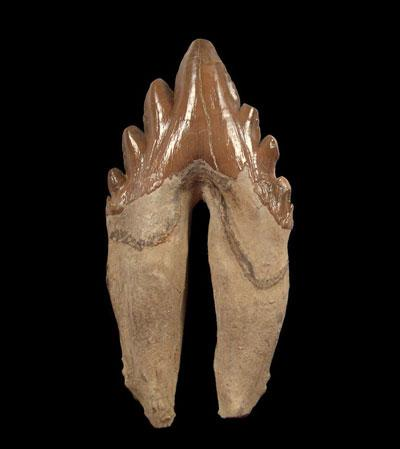
Fossils are more than geological remnants — they are glimpses into lives long vanished. While most fossil collectors look to land-based giants like dinosaurs, the sea holds its own kind of mystery. The deep, shadowed world beneath the waves once teemed with giants of another kind — whales that ruled the ancient oceans with quiet command.
Tucked away in the silt of prehistoric seabeds, some of these creatures left behind relics that survived millennia: their teeth. For collectors and marine history enthusiasts, the opportunity to buy sperm whale tooth specimens offers a tactile connection to one of Earth’s most enigmatic predators.
What Makes a Sperm Whale Tooth Fossil Special?
Sperm whales are famous for their deep-sea dives and formidable size. But their story doesn’t begin in modern times. The fossilized teeth commonly found today often belong to ancient relatives — massive marine mammals that lived millions of years ago. Their long, conical teeth, used for gripping and tearing squid, fossilized exceptionally well compared to other body parts, making them a prime find for fossil hunters.
Unlike bones, which are fragile and prone to erosion, teeth are naturally dense. This density allows them to fossilize more thoroughly, preserving surface details like grooves, wear marks, and sometimes even trace mineral patterns that formed during sedimentation. Each tooth is a relic shaped by time and pressure — sturdy, fascinating, and often surprisingly elegant.
Nature’s Sculptural Masterpiece
One of the first things people notice about a fossilized whale tooth is its visual texture. There’s a calm richness to the soft ivory tones, often laced with subtle marbling. Some have aged into hues of tan, gray, or light russet, depending on the minerals absorbed during the fossilization process.
These teeth aren’t polished in the factory sense — their smoothness comes from eons of compression beneath layers of ocean sediment. A well-preserved specimen will retain the tooth’s original shape, including its gentle curvature and defined root, offering a nearly complete picture of its marine origin.
Every fossil carries its own fingerprint. The size, wear patterns, and coloration of each tooth make it unique. It’s this individuality that turns a simple object into a captivating conversation piece.
The Journey from Seabed to Shelf
The path a fossil takes from discovery to collection is steeped in both science and care. Most sperm whale tooth fossils are unearthed in areas where prehistoric seas once covered land — places like North Africa, Peru, and parts of the Southeastern United States. These regions are rich in marine sedimentary layers dating back tens of millions of years.
Fossil diggers search for teeth embedded in limestone, shale, or sandstone. Once discovered, the tooth is carefully extracted and cleaned with soft brushes or air scribes. Some specimens undergo light stabilization treatments to preserve delicate surfaces. Authentic specimens are rarely altered or restored unless necessary for preservation, allowing collectors to enjoy the raw character of the fossil.
Why Collectors Seek Marine Fossils
While land fossils have their own charm, marine fossils — especially from whales — evoke a different kind of awe. There’s a quiet intensity in holding something that once belonged to a 40-ton creature gliding silently through dark, ancient waters.
Adding a sperm whale tooth to your fossil collection doesn’t require a vast display space or a museum license. These specimens are approachable in size but rich in narrative. Collectors appreciate the history, science, and aesthetic appeal all woven into one object.
Those seeking to buy sperm whale tooth specimens often do so not only for their rarity but for the experience they bring. It's a chance to anchor a space with natural history — to bring depth and dimension into an office, study, or gallery wall.
Displaying the Echoes of the Ocean
When displaying a fossilized whale tooth, less is often more. These specimens speak for themselves, requiring little embellishment. A minimal wooden stand or shadowbox frame helps highlight its curves and surface without distraction. Some collectors mount them vertically to showcase the full length, while others prefer a laid-back horizontal placement that reveals the tooth’s root and crown in one view.
For added context, many choose to label the display with the estimated age and species — not for show, but to preserve the narrative behind the artifact. This small addition makes the piece not only beautiful but educational.
Lighting also matters. Avoid direct sunlight, which can cause surface fading over time. Instead, choose soft, ambient lighting to bring out the tooth’s natural hues and textures.
Ethics and Legitimacy in Fossil Buying
It’s essential to source fossils responsibly. Authentic sellers follow local and international laws regarding excavation, export, and sale. That means ensuring the specimen wasn’t illegally removed from a protected site or manipulated beyond basic cleaning and stabilization.
Buyers should always inquire about provenance — where the tooth was found, how it was excavated, and whether any restorations were made. This transparency not only ensures adherence to ethical standards but also adds to the value of the fossil. Knowing its origin enriches your connection to the piece and helps preserve the larger ecosystem of fossil collecting.
Caring for a Marine Fossil
Fossil teeth are resilient, but they still need care. Avoid chemical cleaners or abrasives. A soft cloth or gentle brush is enough for occasional dusting. If the fossil is kept in an area with high humidity, consider a silica packet in the display case to maintain dryness and prevent subtle surface changes over time.
Handle with clean hands, and avoid dropping the tooth, as even fossilized material can chip under stress. When stored, wrap in acid-free tissue paper or padded cloth to maintain its finish.
A Legacy You Can Hold
There’s a special kind of stillness in fossils — a quiet, lasting echo of a world before ours. A sperm whale tooth is more than an object. It’s a tangible story. It represents strength, survival, and the silent sweep of natural history.
When you hold one, you aren’t just holding bone or mineral. You’re having a moment from an ocean that no longer exists — a creature that lived, hunted, and vanished before humans ever saw the sea. For those captivated by the natural world, it's a treasure that speaks without words.
For anyone seeking a unique piece of history, the opportunity to purchase sperm whale tooth specimens is an invitation to explore the deep and distant past through something beautifully tangible and enduring.
Ready to Own a Piece of Prehistoric Ocean?
Start your journey into fossil collecting with a specimen that brings ancient waters to life. Whether you’re a seasoned collector or a curious beginner, a sperm whale tooth offers a meaningful and fascinating addition to any collection.
Choose a seller that values authenticity, ethical sourcing, and quality. Let your curiosity shape a new kind of story — one that begins long before us but continues with you.
To explore available specimens and bring home your own relic of the deep, visit Buried Treasure Fossils.






