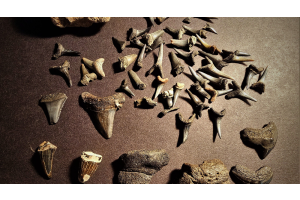
Imagine standing by a riverbank or sandy shore, sifting through shells and pebbles when suddenly you spot something large, dark, and triangular. That moment—when your heart races with excitement—is what fossil hunters live for. If you’ve ever dreamed of finding a megalodon tooth, this guide will help you take the first thrilling step toward uncovering prehistoric treasures. At Buried Treasure Fossils, we’re passionate about making fossil discovery fun, educational, and accessible for all curious explorers.
The Ancient Giant of the Sea
Millions of years ago, long before humans roamed the Earth, the oceans were ruled by an enormous predator—the Megalodon. This prehistoric shark could grow up to 60 feet long and had teeth as big as your hand! Each of these teeth tells a story about the ocean world that existed over 3.6 million years ago. Because sharks constantly shed teeth throughout their lives, thousands of fossilized specimens remain buried beneath layers of sediment, waiting to be found.
At Buried Treasure Fossils, we believe every discovery—no matter how small—can spark a lifelong passion for science. Whether you’re a young paleontologist or part of a family fossil-hunting adventure, understanding where and how to search can make your experience unforgettable.
Preparing for Your Fossil Adventure
Before you head out on your journey, preparation is key. Fossil hunting is like a treasure hunt—it requires patience, the right tools, and a good eye for detail.
What You’ll Need:
● Small Shovel or Trowel: Perfect for gently digging through sand or riverbeds.
● Sifter or Screen: To filter small rocks, shells, and teeth from the sediment.
● Bucket or Mesh Bag: For storing your finds safely.
● Field Journal: To record where you searched, what you found, and any notes for future hunts.
● Protective Gear: Don’t forget gloves, sunblock, and water shoes if you’re exploring riverbanks.
A fossil hunt is both an outdoor adventure and a science lesson. By bringing along a map or GPS and noting each discovery, you’ll be acting just like professional paleontologists do in the field.
Where to Search for Megalodon Teeth
Knowing where to look can make all the difference. Finding a megalodon tooth often depends on the ancient geography of your region—places that were once covered by prehistoric seas are now hotbeds for fossil discoveries.
Here are some popular and family-friendly locations to consider:
● Florida Rivers (Peace River, Venice Beach): These shallow waters are full of fossilized shark teeth washed from ancient seabeds.
● South Carolina (Cooper River and Summerville): Known for producing large, well-preserved Megalodon teeth.
● California (Shark Tooth Hill): One of the most famous fossil sites in North America.
● Chile and Peru: These South American coastlines yield some of the world’s best-preserved specimens.
Remember, some areas may require permits or access permissions, so always research local rules before heading out. At Buried Treasure Fossils, we emphasize ethical and legal fossil collection. Every tooth in our collection has been responsibly sourced from private lands and certified for authenticity.
How to Spot a Megalodon Tooth in the Wild
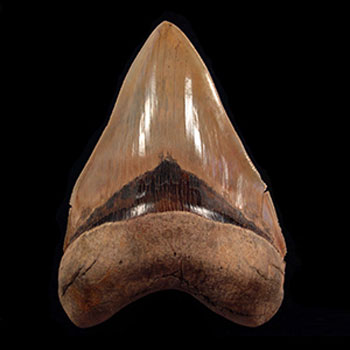
When you first start looking, every dark stone might seem like a possible tooth—but don’t worry, your eyes will soon learn to distinguish the difference. Megalodon teeth have unique traits that set them apart:
● Shape: They’re triangular and broad, tapering to a sharp point.
● Serrated Edges: Look closely at the sides—fine, saw-like serrations once helped this predator slice through prey.
● Smooth Enamel: The surface is often glossy or polished due to millions of years of fossilization.
● Color Variations: Fossilization turns teeth into stunning shades of black, brown, gray, or even blue, depending on minerals in the surrounding sediment.
Pro tip: Wet your finds slightly to make the enamel gleam. That glint of shine can help you identify a fossil tooth from ordinary rocks.
The Science Behind Fossilization
It’s amazing to think how a shark’s tooth from millions of years ago could still exist today. When a Megalodon shed its tooth, it sank to the seafloor and was quickly buried by sand and silt. Over time, the organic material was replaced by minerals, turning it into stone. This process, called permineralization, preserves even the smallest details—like serrations and enamel texture—giving us a perfect glimpse into prehistory.
At Buried Treasure Fossils, we love sharing this kind of scientific insight with young learners. Understanding fossilization turns your discovery into a story of time, geology, and nature’s patience.
Cleaning and Preserving Your Finds
After a successful hunt, it’s important to clean your fossils carefully to avoid damage.
1. Rinse gently with water to remove loose dirt.
2. Use a soft toothbrush for more stubborn debris.
3. Avoid harsh chemicals or soaps, as they can harm the enamel.
4. Let your fossil air-dry completely before displaying it.
If you’ve collected several specimens, label them with their location and date. Over time, you’ll build your own scientific collection—one that not only looks impressive but helps track the prehistoric life that once thrived in different regions.
What Makes a Tooth Authentic?
In a world full of reproductions, learning to identify a genuine Megalodon tooth is essential. Real fossils are heavy due to mineralization and often have natural imperfections, such as small chips or wear on the serrations. Replicas, on the other hand, tend to look too perfect or feel lightweight.
That’s why authenticity matters to us. Every Megalodon tooth available through Buried Treasure Fossils comes with a guarantee of authenticity and legal sourcing. We pride ourselves on offering fossils that are not only beautiful but scientifically valuable and responsibly obtained.
Why Megalodon Teeth Fascinate Collectors
Owning a Megalodon tooth isn’t just about the size—it’s about holding a piece of ancient ocean history. These fossils represent one of Earth’s most powerful predators, an apex hunter that shaped marine ecosystems for millions of years. For young collectors, each tooth is a reminder that science is full of real-life mysteries waiting to be explored.
At Buried Treasure Fossils, we’ve seen how a single fossil can ignite curiosity in children and families. It’s not just an object—it’s a spark of imagination that encourages discovery, research, and learning.
From Beginner to Collector: Growing Your Passion
Whether your goal is to find your first fossil or expand your collection, the journey is endlessly rewarding. Start small—maybe a few shark teeth or ammonites—and as your knowledge grows, so will your appreciation for the diversity of ancient life. We offer fossils for every level of interest, from beginner-friendly pieces to rare, museum-quality specimens that highlight the incredible variety of prehistoric species.
Our founder, Gary Greaser, started Buried Treasure Fossils out of his lifelong fascination with collecting and studying fossils. We continue that mission by helping others experience the same joy of discovery, one tooth at a time.
Conclusion: Your Adventure Awaits
Every great paleontologist starts somewhere—and your first fossil hunt could be the beginning of an amazing adventure. With a bit of patience, curiosity, and the right guidance, finding a megalodon tooth becomes more than a goal—it’s an experience that connects you to the ancient world beneath our feet and waves.
At Buried Treasure Fossils, we’re here to inspire that journey. Whether you’re exploring riverbeds or browsing our authentic fossil collection, we’re excited to share the thrill of discovery with you. So gather your tools, bring your curiosity, and start uncovering the secrets of Earth’s prehistoric past—one fossil at a time.
Explore the fascinating world of fossils and let your imagination dive deep into history. Who knows? Your next great find might just be the tooth of a giant.