

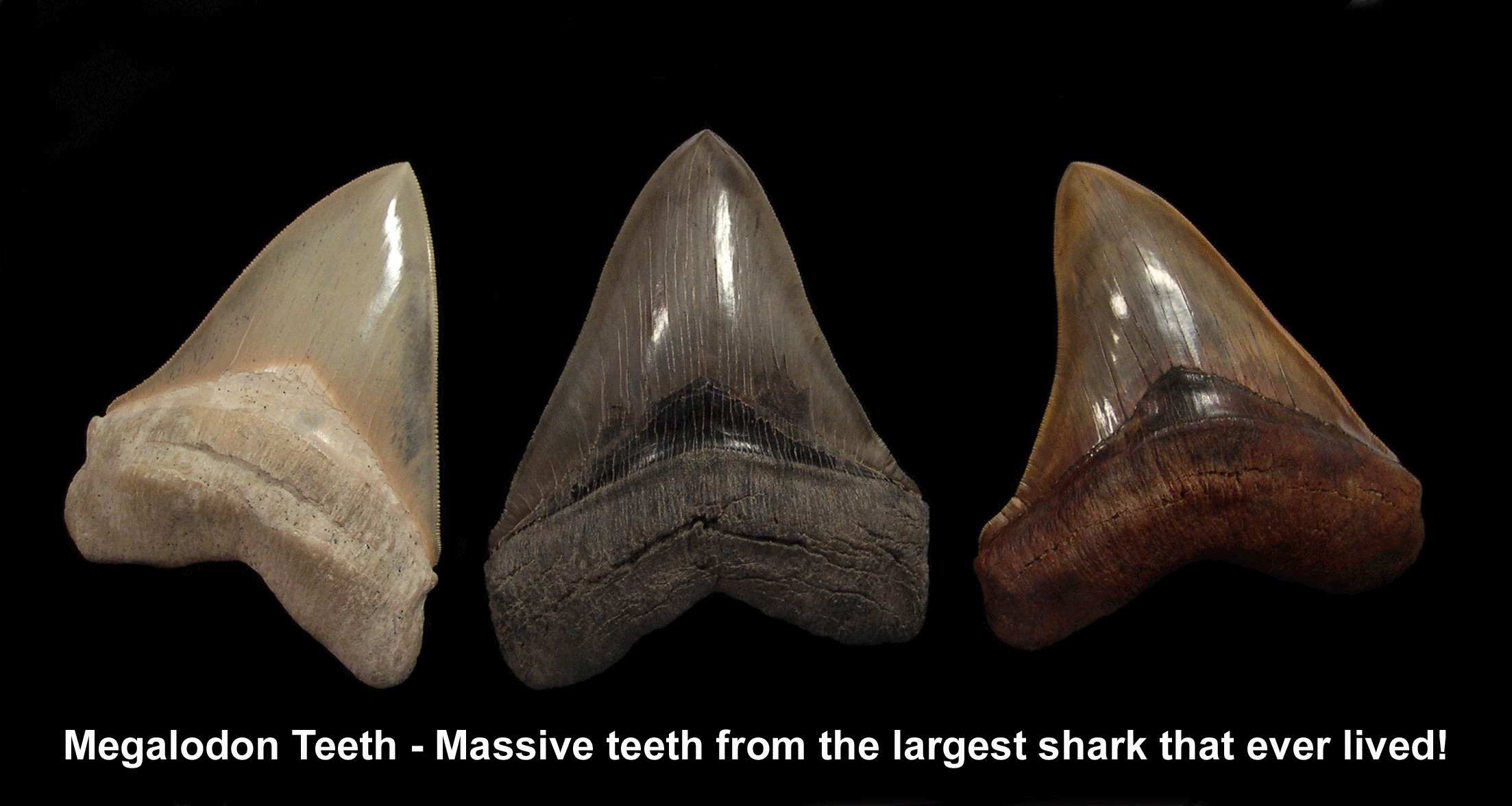
Long before humans set sail across the seas, a predator larger than any shark alive today dominated the waters. The megalodon, a colossal shark that lived millions of years ago, has fascinated scientists, collectors, and curious minds for centuries. Fossils are the only way we can piece together their legacy, and among these, teeth hold special significance. They are not only remnants of a long-gone species but also symbols of rarity and endurance. For many, questions surrounding the value of megalodon teeth extend beyond their financial worth—they carry a sense of history, discovery, and connection to the prehistoric world.
Transitioning from fascination to fact, let’s explore why these teeth hold such a unique place in science and culture today.
A Survivor of Stone and Time
Megalodons swam the oceans roughly 23 to 3.6 million years ago. While their skeletons were made of cartilage and rarely preserved, their teeth endured thanks to their hard enamel. Some can reach over 7 inches in length, dwarfing those of modern sharks. Each tooth provides evidence of its size, feeding habits, and evolutionary story. The survival of these fossils through shifting earth, tides, and millennia already makes them rare treasures before their value is ever assessed.
The Science Hidden in Fossilized Teeth
Paleontologists rely on teeth to uncover much of what we know about megalodons. These sharp, triangular structures reveal diet patterns, jaw strength, and even the shark’s global distribution. A well-preserved tooth may exhibit subtle serrations that once helped it slice through whale bone, providing insight into the feeding dominance of its owner. For researchers, the real worth lies not in the fossil’s price tag, but in its ability to answer questions about an apex predator that shaped marine ecosystems.
Why Collectors Are Drawn to Megalodon Teeth
Beyond science, collectors find something deeply alluring in megalodon teeth. Their size, sharpness, and rarity make them fascinating display pieces. For some, owning a tooth is like holding a fragment of Earth’s ancient ocean in the palm of their hand. Museums prize them for public exhibits, while private collectors showcase them in homes or offices. The intrigue lies not only in their age but also in the sense of wonder they spark in anyone who encounters them.
Size, Shape, and Color: The Keys to Value
Not all megalodon teeth are equal. Larger teeth naturally attract more attention, with pristine examples measuring over 6 inches commanding the highest interest. Shape also plays a role—intact enamel, sharp edges, and complete roots add appeal. Color varies depending on the minerals in the surrounding sediment, ranging from sleek black to earthy brown or even shades of blue. Unusual or aesthetically striking colors can further elevate desirability among collectors.
From Rivers to Shores: Where Fossils Are Found
Certain regions are hotspots for megalodon tooth discoveries. Riverbeds, coastal cliffs, and dredged ocean floors have revealed countless specimens. The southeastern United States, particularly North and South Carolina, has long been a favorite ground for fossil hunters. Diving into rivers or scouring exposed sediment layers often leads to thrilling finds. The geography of discovery can also influence value—some collectors prefer teeth from well-known fossil-rich regions, giving them an added layer of story.
The Middle Ground: Assessing Megalodon Tooth Worth
At the center of the fascination is the question of megalodon tooth worth. Value depends heavily on condition, size, rarity, and provenance. Small, broken pieces may be affordable entry points for beginners, while flawless specimens can fetch thousands of dollars. Teeth exceeding 6 inches in length with minimal wear are especially prized, sometimes reaching auction prices that rival those of fine art. But monetary worth tells only part of the story—genuine appreciation comes from understanding the fossil’s journey through time and the story it holds within its enamel.
Why Rarity Shapes Demand
As with any collectible, rarity drives demand. Intact specimens of significant size are naturally harder to find, especially as fossil-rich areas become more thoroughly explored. The market adjusts accordingly, with each well-preserved find becoming a rare opportunity. Some collectors compare acquiring a large megalodon tooth to owning a gemstone—unique, finite, and tied to natural history.
Ethical Fossil Collecting
While the excitement of collecting is undeniable, it raises important ethical considerations. Fossil hunters are encouraged to follow regulations and respect protected sites. Removing fossils irresponsibly can damage ecosystems and destroy valuable scientific data. Many reputable sellers emphasize ethical sourcing, ensuring fossils are obtained legally and responsibly. This balance helps preserve both the environment and the scientific integrity of these ancient treasures.
The Emotional Value Beyond Price
For many collectors and enthusiasts, the significance of a megalodon tooth transcends its market value. It can serve as a symbol of resilience, mystery, and a connection to a past that extends beyond human history. Holding a tooth allows us to imagine oceans filled with creatures beyond imagination, and to reflect on the fleeting nature of species. This emotional dimension is often what makes fossils meaningful additions to personal collections.
How Museums Preserve and Display Teeth
Museums play a key role in safeguarding megalodon fossils. Teeth displayed under carefully controlled conditions help educate the public about prehistoric life and spark curiosity in younger generations. Some institutions even host interactive fossil hunts or temporary exhibits, allowing visitors to see the process of discovery. In this way, preservation ensures that the fascination surrounding these ancient predators continues to inspire for years to come.
Investing in Fossils: Caution and Curiosity
With high values attached to some specimens, megalodon teeth are sometimes approached as investment pieces. However, experts warn that the fossil market can fluctuate based on demand and availability. Unlike gold or real estate, fossil values are not guaranteed. Collectors are encouraged to acquire fossils out of passion and curiosity, with investment seen as a secondary benefit rather than the primary goal.
The Connection Between Past and Present
Megalodon teeth bridge the vast gap between prehistoric oceans and modern human curiosity. Each specimen tells a story not only of the giant shark it once belonged to but also of the earth’s shifting climates and evolving ecosystems. Collectors, scientists, and the public alike share in the wonder that such relics can survive through countless ages.
Conclusion: A Timeless Fascination
Ultimately, fascination with the value of megalodon teeth is about more than numbers on a price tag. These fossils embody a journey from the depths of ancient seas to the hands of modern discoverers. Their value lies equally in science, rarity, and the stories they inspire. Whether displayed in a museum, kept in a private collection, or studied by paleontologists, megalodon teeth remind us that history can be held, examined, and cherished.
If you’ve ever considered exploring the world of fossils, now is the time to begin. Whether you’re searching for knowledge, a meaningful collectible, or simply a piece of earth’s deep past, the discovery is always rewarding. Begin your journey today and let the story of these ancient giants enrich your understanding of natural history.






