

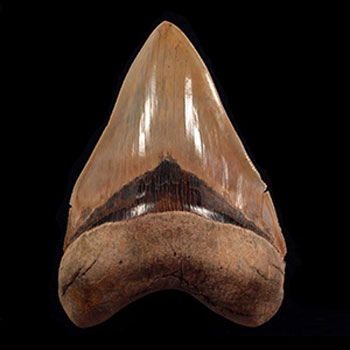
Owning a piece of history is a thrilling experience, and few fossils capture the imagination quite like a giant shark tooth from the mighty Megalodon. Collectors and new enthusiasts alike often ask what determines the price of an authentic megalodon tooth, and the answer isn’t as simple as size alone. Just like any collectible, several economic and physical factors influence the value of these fossils, from condition and rarity to provenance and locality. At Buried Treasure Fossils, we’re passionate about helping buyers understand these dynamics so that every purchase feels informed and exciting.
Size: The Most Noticeable Cost Driver
One of the first things anyone notices about a Megalodon tooth is its size. Teeth from this prehistoric shark can range anywhere from an inch to over seven inches. Larger teeth, particularly those over six inches, are far less common and therefore command significantly higher prices.
Why does size matter so much? Bigger teeth not only highlight the sheer power of the Megalodon but are also rarer to find intact. When evaluating the market, you’ll often notice exponential price jumps once a tooth crosses certain thresholds, like five inches or six inches. For collectors comparing options, it’s worth noting that a half-inch difference can mean hundreds, sometimes thousands, of dollars more in value.
Condition and Preservation Quality
A fossil’s state of preservation is another crucial factor. Collectors place a premium on teeth that retain their sharp serrations, enamel gloss, and intact root structure. Since these fossils have been buried for millions of years, it’s common for them to show signs of wear, chips, or cracks.
Perfectly preserved specimens are prized because they highlight details such as serration sharpness and enamel luster. On the other hand, damaged or heavily worn teeth may be more affordable, offering entry points for beginners without sacrificing the joy of owning a genuine piece of prehistory. This is where we balance education and accessibility: we want both seasoned collectors and first-time buyers to find specimens they love at prices that make sense.
Color Variations and Aesthetic Appeal
Color is another detail that adds uniqueness to a Megalodon tooth. Depending on the minerals present in the soil or seabed where a tooth fossilized, teeth can take on shades of black, gray, brown, tan, or even rare blues and greens. Collectors often pay more for unusual or vibrant colors because they stand out in displays.
Blue and green hues, for example, are considered especially rare and can drive up value considerably. Beyond rarity, personal preference also plays a role: some buyers seek uniform coloration, while others appreciate marbled tones that tell the story of mineral absorption over millions of years. Either way, color is one of those subtle details that can elevate a fossil from “nice” to “remarkable.”
Locality: Where the Tooth Was Found
The geographic origin of a Megalodon tooth matters more than many realize. Some regions are well-known for producing exceptional fossils. For example, specimens recovered from South Carolina rivers or North Carolina coastal areas often show excellent preservation. Morocco is another famous locality, though those teeth are usually more affordable because they’re more abundant and sometimes less pristine.
Collectors value locality because it connects the fossil to a specific prehistoric environment. Provenance records—information about where a tooth was discovered—help validate authenticity and add a layer of historical storytelling. This factor can influence whether a tooth is priced as a rare, museum-grade collectible or a more accessible specimen for beginners.
Provenance and Documentation
Alongside locality, provenance plays a big role in value. A tooth accompanied by detailed documentation of its discovery site, legality, and collection history is worth more than one without. Provenance reassures buyers that the fossil is authentic and ethically sourced.
At Buried Treasure Fossils, we prioritize authenticity and transparency. Every specimen we offer comes with a guarantee of genuineness and, where possible, a record of its origin. This commitment not only builds trust but also increases the long-term value of the fossils in your collection. After all, an authentic megalodon tooth with clear provenance is more than just a fossil—it’s a verified piece of Earth’s story.
Market Supply and Demand
In addition to the inherent physical characteristics of the tooth itself, fundamental economic principles play a crucial role in determining its market value. The fossil market, much like other commodity markets, is driven by the dynamics of supply and demand. Megalodon teeth, those magnificent relics of a prehistoric predator, are limited in availability; although occasional new discoveries can spark excitement among collectors and enthusiasts, the supply is not something that can be renewed or manufactured at will. Unlike consumer goods, which can be produced on a vast scale, the circulation of these ancient treasures is restricted, ensuring that their rarity significantly enhances their allure and price.
As demand from collectors, investors, and even interior decorators grows, the value of quality specimens rises. Market fluctuations can also be seasonal—special finds announced by collectors or museums may temporarily spike interest, creating more competition for available pieces. Buyers who understand these dynamics can make strategic choices about when to invest in certain fossils.
Rarity of Features
Certain unique features can truly elevate a tooth to remarkable levels of desirability. Elements such as captivating double serrations, distinct patterns of feeding damage, or strikingly unusual root formations not only enhance the tooth’s aesthetic appeal but also provide valuable insights into the behavior of the Megalodon—one of history’s most awe-inspiring apex predators. For example, a tooth that shows pronounced feeding wear tells an incredible story about its owner’s hunting techniques and interactions in the ancient ocean, millions of years ago.
Ultimately, rarity goes beyond mere size or color; it resides in the fascinating characteristics that transform a fossil into a genuine masterpiece of natural history. Collectors who wholeheartedly appreciate these exquisite details often find themselves eager to invest in such extraordinary specimens, recognizing their significance as a beautiful blend of art and history. The allure of these remarkable treasures is not just in their appearance, but in the stories they tell and the connections they forge with a distant past.
Comparative Value: Beginner-Friendly vs. Museum-Grade
At Buried Treasure Fossils, we pride ourselves on offering options across the spectrum. Entry-level fossils provide affordable ways for new collectors to begin their journey, while museum-grade specimens are available for serious buyers seeking investment-quality pieces.
This tiered structure reflects the broader market: smaller, imperfect teeth may cost under $100, while top-quality, six-inch-plus specimens can be worth several thousand dollars. The diversity in pricing ensures that whether you’re a student just discovering fossils or a long-time enthusiast expanding a high-end collection, there’s something to fit your budget and passion.
Investment Potential
Another factor influencing the price is investment potential. Many collectors see high-quality Megalodon teeth as assets that will appreciate over time. With demand continuing to grow and supply remaining finite, larger and rarer specimens are particularly attractive from an investment perspective.
When you purchase from us, you’re not just buying a fossil—you’re investing in a tangible piece of natural history. While the market may fluctuate, the long-term trajectory for authentic, documented Megalodon teeth has consistently trended upward.
Why Buyers Should Compare Prices Carefully
For buyers navigating the market, comparing prices is essential. Two teeth of similar size may differ in price dramatically depending on condition, color, provenance, and overall rarity. Understanding these drivers helps ensure you’re paying a fair price and, more importantly, helps you recognize when you’ve found a truly special piece.
When comparing, it’s worth focusing not only on the asking price but also on what’s included: Is there documentation? Is authenticity guaranteed? Does the seller provide context about locality? These details help you distinguish between a fair deal and an overpriced fossil.
Conclusion: A Fossil Worth Treasuring
The price of an authentic megalodon tooth is shaped by many factors—size, condition, color, locality, provenance, rarity, and the broader fossil market. At Buried Treasure Fossils, we’re committed to making this journey both accessible and exciting, whether you’re purchasing your first specimen or adding a museum-grade piece to your collection.
As you explore options and compare values, remember that every fossil tells its own story. That’s why we take pride in offering specimens backed by authenticity, transparency, and passion. Ready to discover your own prehistoric treasure? Explore our diverse collection today and find the perfect fossil that speaks to you.






